

This content has been automatically translated and may include minor variations.
In a crowded market, your brand is your most powerful differentiator. It reflects your personality, values, and promises – and it shapes how customers, employees, and stakeholders connect with you. But building that level of clarity and trust does not happen on its own. It demands ongoing, strategic management.
Working with more than 1,500 global and scaling brands, we see every day how strong brand management shapes loyalty, drives recognition, and builds long-term brand equity. This guide explains why brand management matters more than ever – and the steps you can take to ensure lasting impact.
Ready to take control of your brand? Let’s dive in.
What is brand management?
Brand management is the ongoing process of protecting, strengthening, and evolving your brand over time. It encompasses your brand strategy, identity, guidelines, messaging, and every asset that shapes how people experience your organization.
From your visual identity and brand guidelines to the everyday marketing materials your teams produce, brand management ensures everything aligns with your brand’s purpose and vision.
Is brand management the same as branding?
Not quite. Branding defines your identity and includes your positioning, tone of voice, look and feel, and core narrative.
Brand management is the discipline of maintaining brand consistency across platforms – and improving and scaling that identity as your company grows.
Think of branding as the blueprint, and brand management as the long-term execution that brings it to life – consistently, accurately, and confidently.
Brand management also extends far beyond marketing. Sales, HR, recruitment, customer service, and leadership all influence how your brand shows up. Any function shaping the customer or employee experience has a role to play.
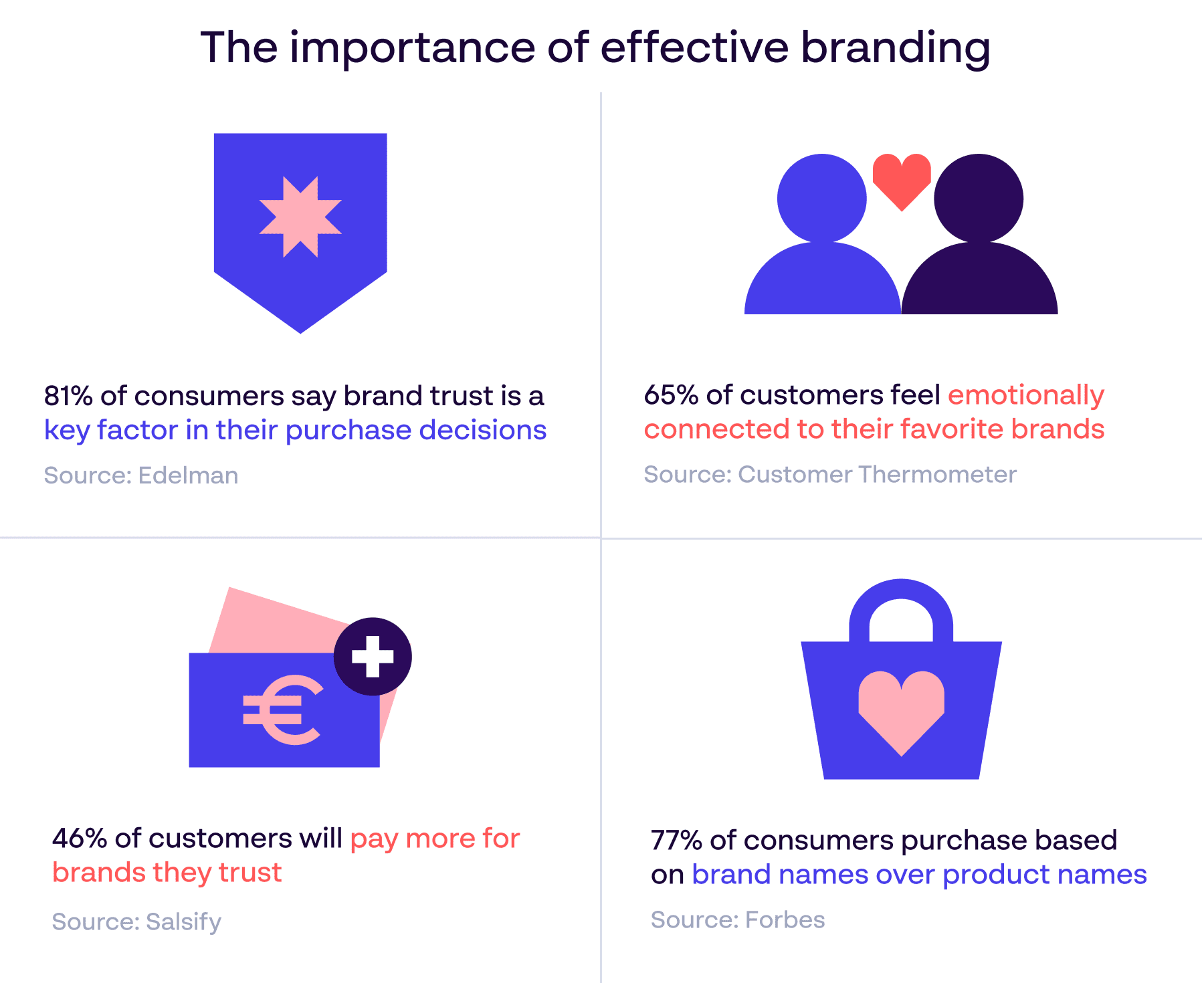
What does brand management involve?
Brand management touches multiple areas across your business. Typical responsibilities include:
- Developing and refining your brand strategy
- Updating brand assets as your strategy or visual identity evolves
- Protecting and strengthening brand consistency across channels
- Monitoring brand reputation, perception, and health
- Overseeing brand communications and internal alignment
- Growing brand equity and long-term customer loyalty
What is brand asset management?
Brand asset management is about how your organization organizes, stores, governs, and distributes all brand-related materials – logos, campaign assets, customizable templates, color palettes, and more.
Digital Asset Management systems play a central role here. A modern DAM creates a single source of truth for brand assets, ensuring teams worldwide can work confidently and consistently.
Who owns brand management?
Brand management should never rest solely with the CMO or marketing manager. It is a strategic function that requires a dedicated brand manager or brand team.
A strong brand manager understands marketing principles, audience research, and cross-functional alignment. Their responsibilities often include:
- Identifying and installing brand management software and platforms
- Analyzing market data for brand-related insights
- Developing brand guidelines
- Overseeing budgets connected to brand development
- Conducting market research
- Taking the lead on rebrands and brand refreshes
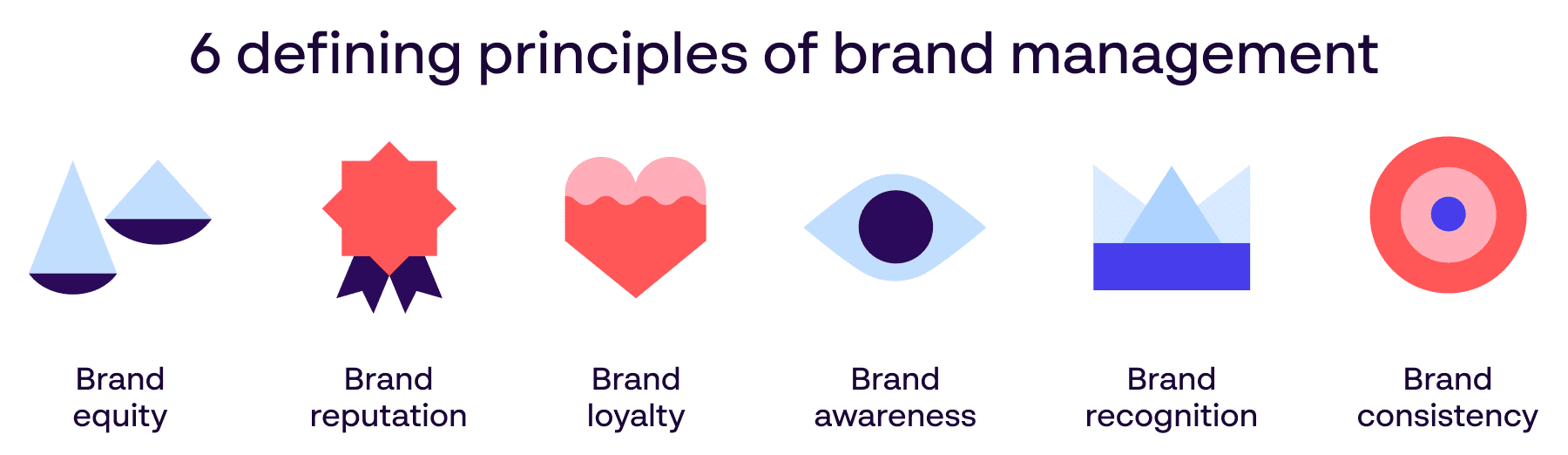
6 defining principles of brand management
Now we’ve discussed the basics, it’s time to dig a little deeper. These six principles capture the true purpose of strategic brand asset management and the positive impact it can have on your organization.
1. Brand equity
Brand equity is what separates Apple from a tech startup or Coca-Cola from a generic soft drink. It’s the value your brand adds to your product or service – and what sets it apart from comparable offerings.
Equity grows when your brand delivers trust, consistency, and emotional resonance. Any inconsistency, negative experience, or off-brand moment weakens brand equity.
The point of brand management is to protect the value a brand creates at every touchpoint. Want to know more? Check out our blog post explaining customer-based brand equity and the power it offers your organization.
2. Brand reputation
Brand reputation is a core component of brand equity. Today’s audiences expect transparency and ethical behavior — with many actively avoiding brands with poor reputations.
Brand asset management is vital to building a strong brand reputation. It minimizes miscommunication, reduces inconsistencies, and prepares your organization to respond responsibly in a moments of crisis.
3. Brand loyalty
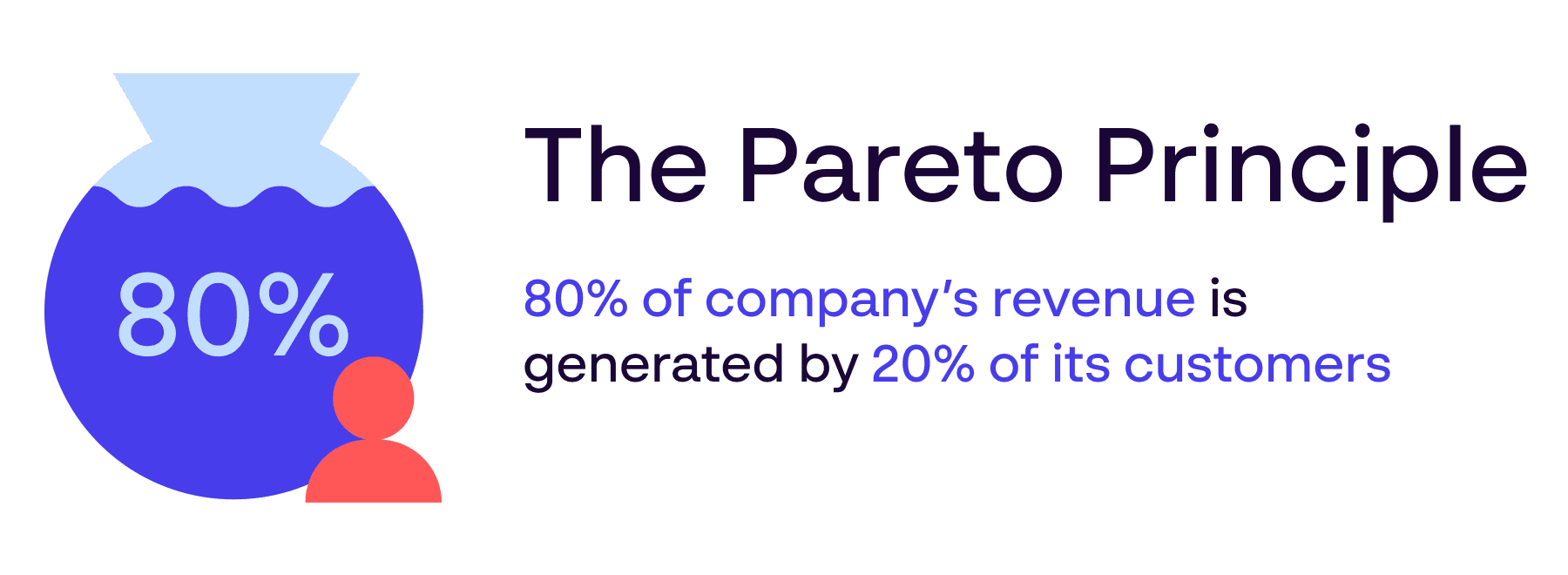
Loyal customers drive long-term profitability – often contributing more than half of total revenue. Consistent brand experiences build trust and emotional connection, increasing retention and encouraging word-of-mouth advocacy.
This is also key to the success of your employer branding. Employees who buy into your company’s vision and values become more engaged, motivated, and committed.
4. Brand awareness
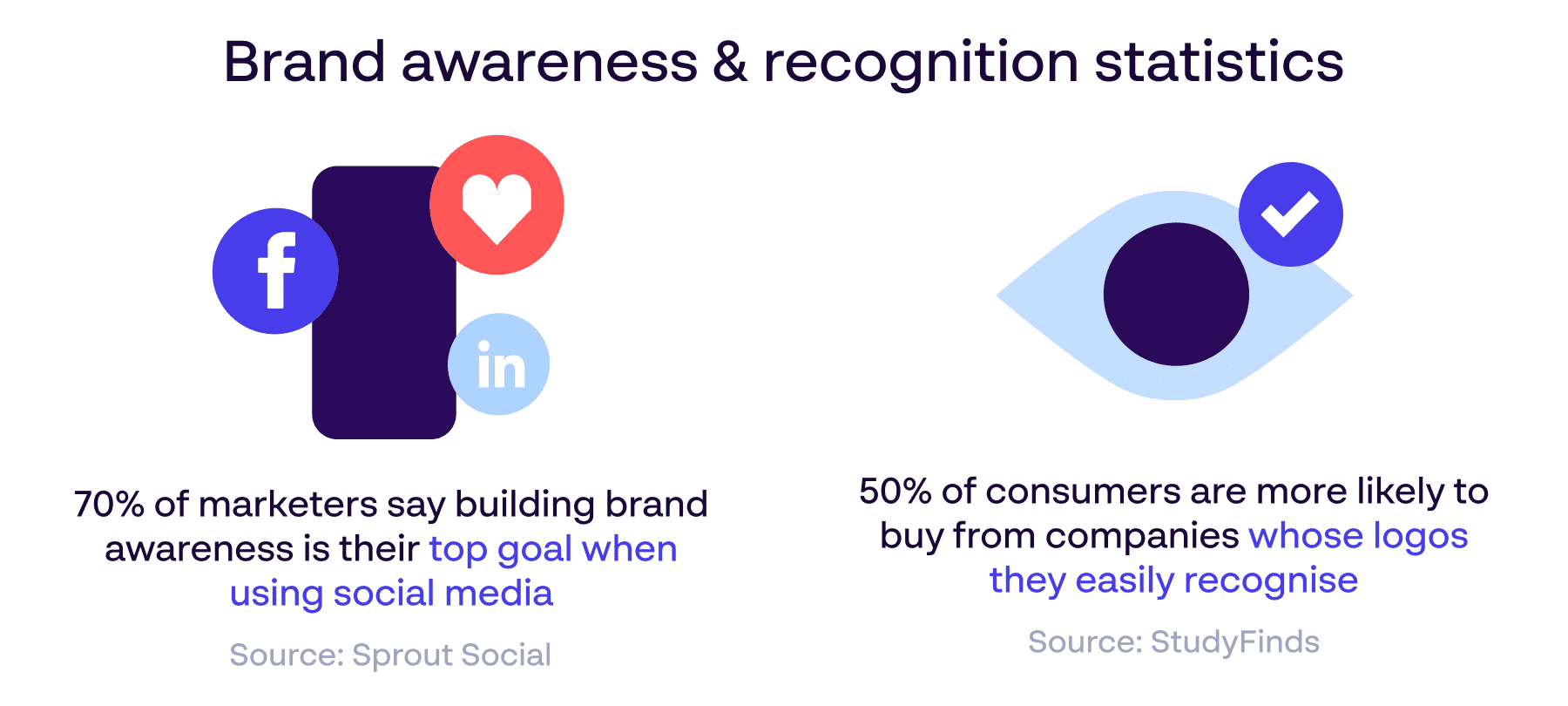
Awareness ensures your brand is visible when and where audiences are searching. But visibility alone is not enough. You must show up consistently across every channel – because when brands appear unaligned, audiences lose trust.
Brand management ensures a steady flow of on-brand content that supports clear, recognizable awareness.
5. Brand recognition
Strong awareness leads to better brand recognition. This is when audiences start to recall your brand without prompting – vital if you want to establish a loyal customer base and turn consumers into fully fledged brand advocates.
It takes an average of 5 to 7 impressions for someone to remember you, so brand consistency matters. Brand management keeps your brand communications in lockstep at every touchpoint, from consistent TV spots and paid media posts to social media comms. Result: your brand becomes more familiar, memorable, and trusted with every impression.
6. Brand consistency
It’s impossible to overstate the importance of brand consistency when managing your brand. You need to achieve consistent messaging, visuals, tone, and brand identity everywhere – across your website, social channels, advertising, internal communications, and more.
Brand management protects this consistency through clear guidelines, customizable templates, and structured brand governance across teams and regions.

Why brand management matters more than ever
With more than a million active users on our own brand management platform, we see the tangible impact of disciplined brand governance. Beyond protecting your brand identity, effective brand management enables you to:
1. Strengthen your market position
A well-managed brand creates a platform for growth, whether you’re looking to introduce new offerings, expand into new markets, or go through a rebranding process.
2. Improve approval workflows and cost efficiency
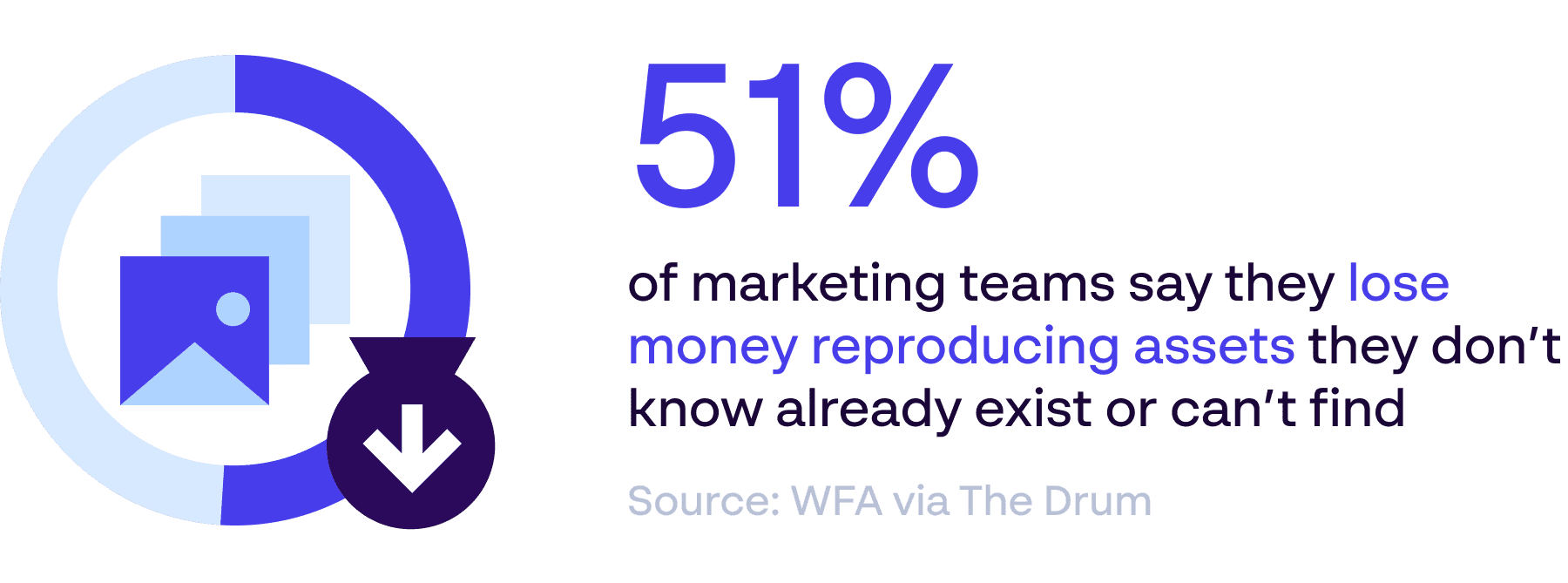
Brand management systems streamline asset creation, approvals, and collaboration – reducing time spent on repetitive tasks. No more back-and-forth email chains, ad-hoc meetings and constant rounds of proofing. Everything becomes smoother and more streamlined leading to greater cost efficiency.
3. Drive employee engagement
When internal communications and branding are aligned, your teams become more connected to your vision and values – and more committed to your mission. A dedicated brand management platform also encourages collaboration across departments, helping to improve the employee experience and boost morale.
4. Create customer lifetime value
Consistent branding encourages repeat purchases, cross-sales, and long-term loyalty. This helps you achieve more value from your customers across their lifespan.

5. Develop enhanced marketing strategies
Coherent brand management helps teams coordinate and strategically plan campaigns in real-time. With clear brand governance and centralized creative assets, marketing becomes more strategic, unified, and scalable.
How brand management fuels long-term success
Brand management strengthens every layer of your organization. When you form deep emotional connections with your customers, you can:
- Encourage repeat purchases
- Set premium prices
- Increase brand advocacy
- Achieve greater employee retention
- Improve resilience to market fluctuations
- Build a stronger brand reputation in your category
6 steps to brand management success
Follow these practical steps to take control of your brand and ensure it is creating value for your business.
1. Define your brand identity and positioning
Set the foundation. Make sure all aspects of your branding are documented, so brand managers have a clear framework to measure and protect brand consistency. This includes
- Brand name
- Logo
- Graphics, designs and visual elements
- Tone of voice
- Mission and vision statements
- Color palette
- Typography
- Brand story
2. Build comprehensive brand guidelines
Brand guidelines protect your identity across every channel, laying out the rules and parameters that ensure your brand is never misrepresented or misconstrued. It is critical that they are easily accessible – ideally through a centralized digital brand hub.

3. Strengthen corporate communications
Coordinating corporate communications is one of the biggest responsibilities for brand management professionals. You can secure brand consistency and speed up asset production by crafting creative templates for everything from internal emails to marketing campaigns.
4. Centralize all digital brand assets
Managing the sheer volume of assets your company produces can be extremely tough – especially if you need to tailor messages to local audiences. But everything becomes much more manageable with integrated DAM solutions.
You can use a DAM to store, manage, and share every digital asset you produce, and to provide your teams with a single source of truth. It’s a highly effective way to eliminate asset duplication and reduce brand risk.
5. Measure the impact of your brand
Measurement drives meaningful improvement. While there is no universal metric for brand management, there are a number of KPIs you can monitor that will indicate the success of your approach. These include company revenue, rate of sustained growth, customer retention rates, and employee engagement as well as asset usage, brand adoption, and campaign consistency.
6. Implement a comprehensive brand management platform
The right system makes building your brand and expressing it consistently far easier – empowering everyone in your team to become their own brand manager. Your platform will enable you to:
- Showcase all the elements of your brand
- Store digital assets in a single, easily accessible location
- Use design templates to produce on-brand assets at speed and at scale
- Plan out campaign execution in a streamlined, coherent way
- Monitor how closely your teams are adhering to brand consistency
3 major brand management challenges – and how to solve them
Modern brand managers face increasing complexity. Here are the most common challenges we hear, and how to address them.
1. Multichannel marketing
Websites, emails, social media, digital adverts, video content marketing – today’s customers expect a consistent experience at every touchpoint. Any break in this chain can damage trust, forfeit sales and hurt your brand reputation.
How do you maintain a consistent brand voice across all channels? Intelligent templates help ensure every asset your team produces is aligned with company guidelines, reducing the time, money and stress associated with multichannel marketing.
2. Globalization
Global brands need to adapt messages to local audiences. But without careful management, there is a real danger of things going wrong – like when Ford informed customers in Belgium that every car has a “high-quality corpse”.
DAM systems reduce the risk. Brand teams can use role-based access to control what is used where, and put in fail-safes to stop any assets being used inappropriately.
3. Rebranding
People are naturally resistant to change, so a company rebrand needs to be expertly managed to prevent costly failure.
How do you ensure change sticks? Here are a few things to consider when rebranding your business:
- Reaffirm and settle on your company’s vision, mission and values
- Conduct a brand audit of existing assets
- Secure buy-in from key stakeholders
- Assign a team to oversee the rebrand
- Update your brand guidelines
- Communicate the change with your customers
- Plan an effective launch campaign
What should you look for in a brand management platform?
Looking to invest in brand asset management software, but not sure how to evaluate potential brand management tools? Ask vendors these 14 questions:
- Can we organize and manage all brand assets in one place?
- Does it centralize guidelines?
- Does it support collaboration?
- Is the interface intuitive?
- Will it speed up asset creation and discovery?
- Can templates be customized while maintaining consistency?
- Does it include Digital Asset Management capabilities?
- Will it reduce reliance on external agencies?
- Is everything backed up securely?
- Can it scale with our needs?
- Are analytics and reporting included?
- Can it demonstrate ROI?
- Does it integrate with our existing tools?
- Does it provide strong data security?
Brand management is a massive priority in every organisation, so it’s important to ensure the branding software you select fulfils your expectations and helps make life easier, not harder.
5 companies proving the value of brand management and brand guidelines software
If you’d like to better understand the difference high-quality software can make, here are 5 companies achieving brand management excellence with the right platform:
1. Unilever
Unilever lacked centralized coordination, which led to local teams creating assets from scratch and over-relying on external agencies. Brand asset management software helped the organization unify approval workflows, enhancing brand consistency and reducing costs.
2. Helly Hansen
Helly Hansen revolutionized their brand management with a seamless global solution, integrating online brand guidelines, Digital Asset Management (DAM), and customizable templates. This unified approach helped the business achieve greater brand consistency across markets and stakeholders.
3. IBM
IBM brought employer brand management onto one all-encompassing platform. By organizing, managing, and sharing assets through a central location they are now able to maintain a uniform brand identity across 65 regions with disparate marketing teams.
4. Vodafone
Brand management software enabled Vodafone to enhance consistency in employer communications and reduce time-consuming approvals. The technology is also helping them explore digital transformation opportunities for talent attraction and skills development.
5. BMW NE
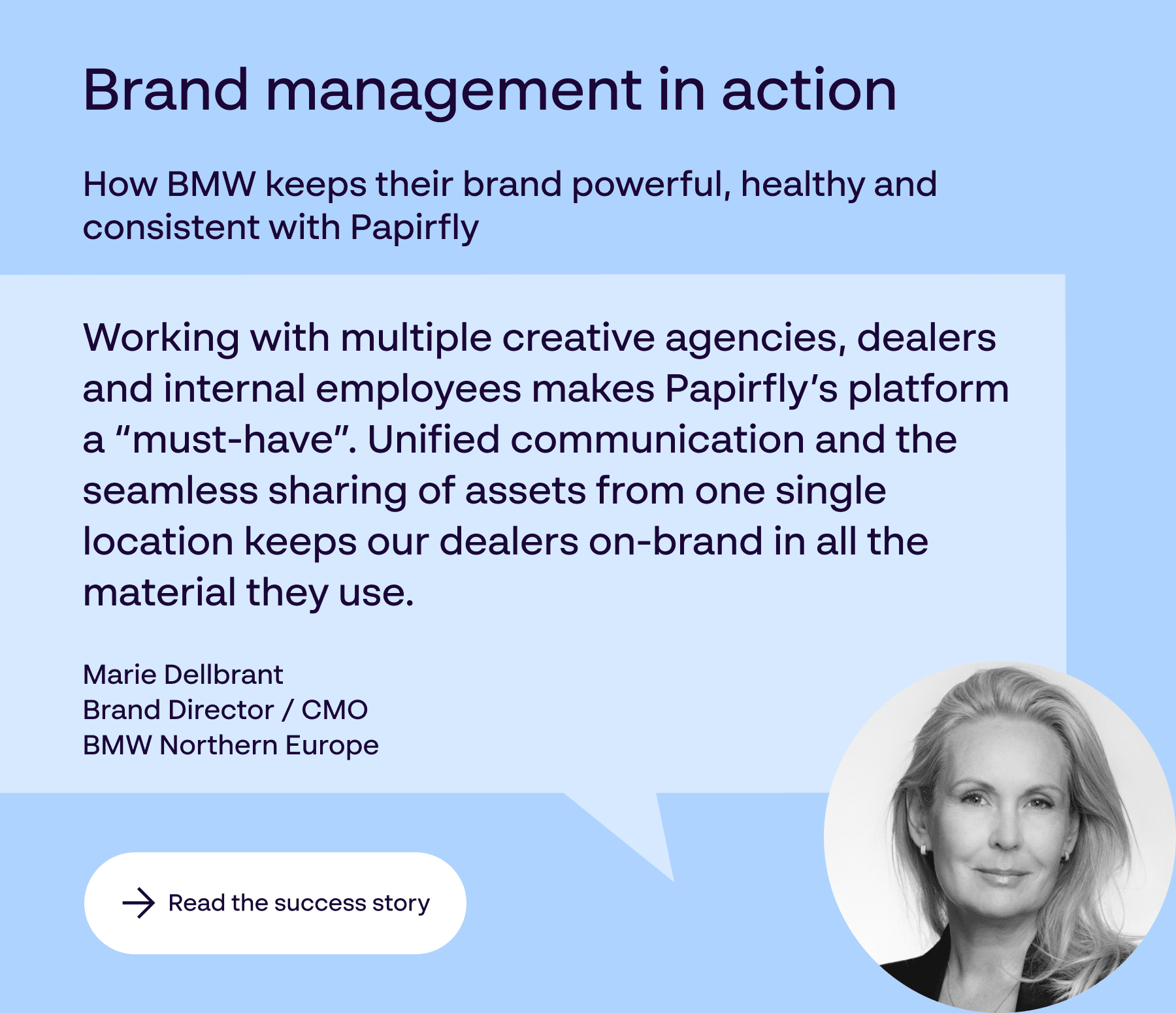
BMW NE employed a branding software solution to automate and centralize their branding, enhancing campaign execution for local dealers with efficient communication and coordination. With this tool, stakeholders can access and adapt marketing collateral with complete consistency, tailoring local materials in line with BMW’s core brand strategies.
How will AI steer the future of brand management?
AI is already enhancing how global teams manage their brands. Key developments include:
- Automated customer service aligned to brand voice
- Instant asset creation through intelligent prompts
- Contextual search within DAM systems
- Real-time sentiment and reputation monitoring
At Papirfly, we continue to experiment with AI to unlock more efficiency for brand teams everywhere. Want to know more? Explore our AI solutions for brand management.
Empower your people with one brand management platform
We hope this guide has helped you understand why brand management matters — and how to manage your brand with confidence, clarity, and control.
Papirfly empowers more than 600 organizations to build always-on brand consistency, activate their brand globally, and create unlimited on-brand assets.
If you are ready to simplify and strengthen your brand management, we are ready to help.
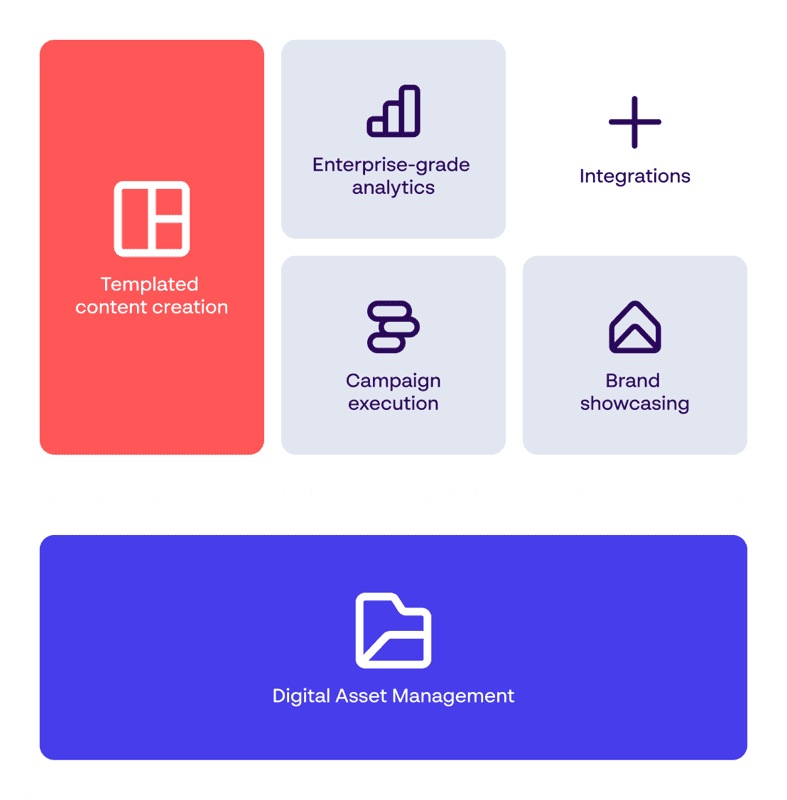
- Brand portals: Control every aspect of your brand and deliver unbreakable brand guidelines
- Digital Asset Management: Deliver your single source of truth with our industry-recognised DAM solution
- Templated Content Creation: Create unlimited on-brand assets with design templates aligned to your guidelines
- Campaign management: Simplify campaign execution for your teams with collaborative planning
- Data analytics: Refine your brand strategy with real-time data and analytics
Manage your brand with total confidence
Empower every team with tools for consistent brand execution.
Manage your brand with total confidence
Empower every team with tools for consistent brand execution.
Manage your brand with total confidence
Keep teams aligned with one source of brand truth.
FAQs
What is the difference between branding and brand management?
Branding defines who you are – your identity, positioning, tone of voice, and visual system. Brand management is the ongoing discipline of protecting, strengthening, and scaling that identity across every touchpoint. Think of branding as the blueprint and brand management as the long-term execution.
Why is brand consistency so important?
Brand consistency builds recognition, trust, and loyalty. When your messaging, visuals, and experience align everywhere, audiences feel confident in your brand. Inconsistent assets or off-brand moments quickly weaken equity and dilute your impact.
Who is responsible for brand management within an organization?
Brand management should be owned by a dedicated brand manager or brand team – not left solely to marketing or the C-suite. However, every function that shapes customer or employee experience has a role to play, from sales and HR to customer service and leadership.
How can Digital Asset Management support brand management?
A DAM provides a single source of truth for all brand assets. It enables teams to find, use, and share the right materials quickly and confidently, reducing duplication, protecting brand consistency, and lowering the risk of outdated or off-brand content entering the market.
What challenges do companies commonly face with brand management today?
The most common issues include managing multichannel marketing, maintaining brand integrity across global regions, and navigating complex rebrands. Without the right systems and brand governance, teams struggle with inconsistent assets, slow approval workflows, and costly errors.
Table of contents:
- What is brand management?
- 6 defining principles of brand management
- Why brand management matters more than ever
- How brand management fuels long-term success
- 6 steps to brand management success
- 3 major brand management challenges – and how to solve them
- What should you look for in a brand management platform?
- 5 companies proving the value of brand management and brand guidelines software
- How will AI steer the future of brand management?
- Empower your people with one brand management platform
- FAQs