

This content has been automatically translated and may include minor variations.
Brand managers today are navigating a level of complexity that simply did not exist a decade ago. As organizations expand across markets, diversify their marketing channels, and strive to deliver consistent brand experiences to increasingly demanding audiences, keeping brand identity intact has become a constant challenge.
Digital Asset Management systems have stepped in to ease this pressure. The right DAM solution enables you to deliver brand assets to teams on a silver platter. Combined with the right user permissions, tagging systems and approval workflows, your DAM becomes a single source of truth for your organization.
But even the strongest DAM has limits. And understanding those limits is essential.
Our own DAM solution, here at Papirfly, has been ranked by Forrester as one of the best worldwide – so we recognize the immense a value a DAM brings. But it also gives us a clear view of where a DAM stops, and where another solution must begin.
A DAM helps you manage your marketing assets. But for managing your brand, you need something more. You need a brand portal.

What is a brand portal?
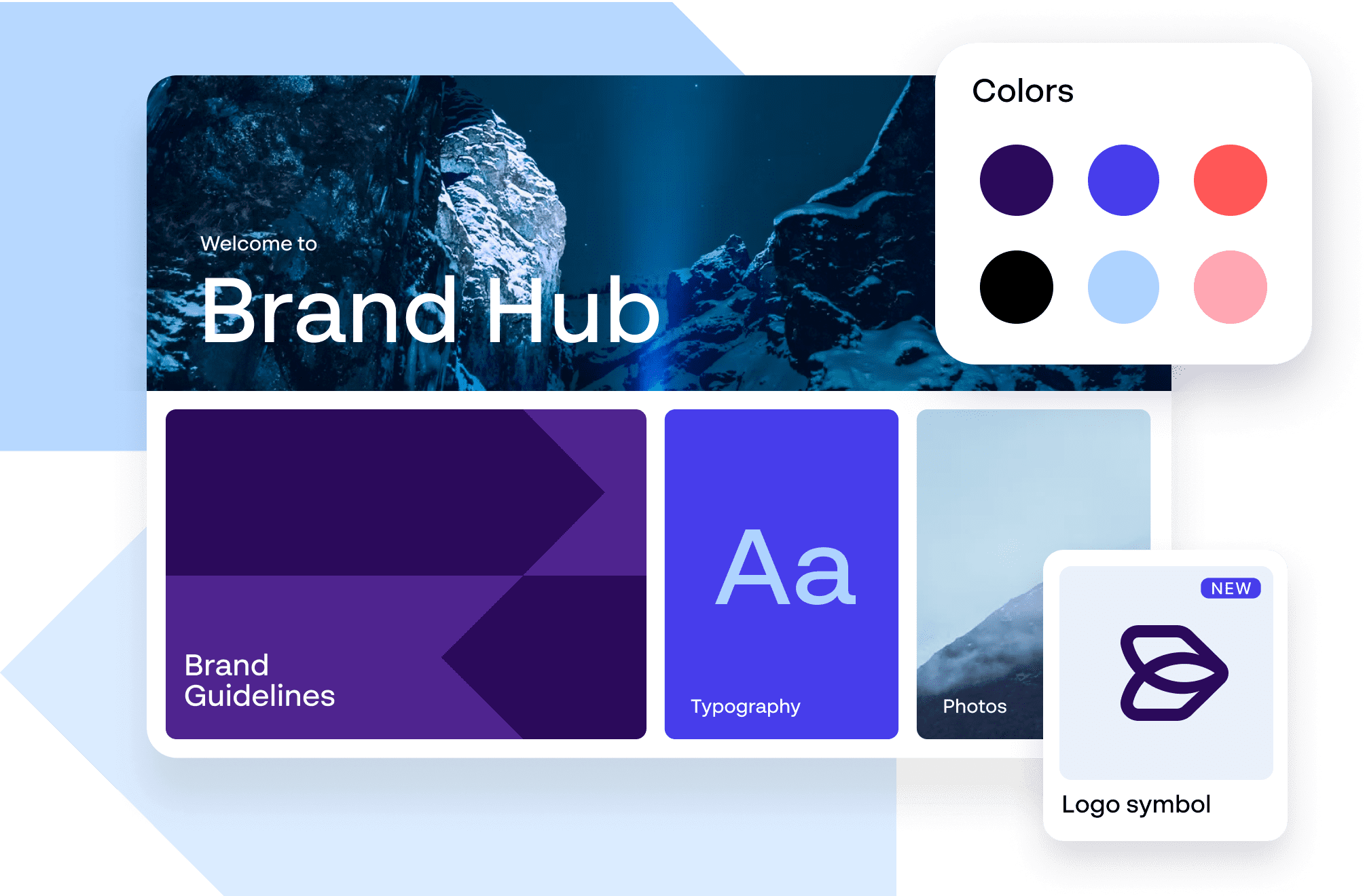
A brand portal – sometimes called a centralized brand hub – is a cloud-based platform that brings together everything that defines your brand culture. It acts as a true home for your brand, providing everyone from leadership teams to new employees with a one-stop shop for understanding and you show up and what you represent.
The best brand portals include:
- Clearly defined brand guidelines and style guides
- Company vision and mission statements
- On-brand, customizable templates for marketing materials
- Tutorials, handbooks, and FAQs that support brand application
- Resources teams can use to bring the brand to life in their local markets
In short, a brand portal educates, empowers, and unifies your teams. It presents your brand in a clear, intuitive format, enabling you to achieve brand consistency at scale.
7 benefits of using a brand portal
Organizations often ask whether a DAM can deliver the same value as a brand portal. A DAM is exceptional at what it is built for: storing, organizing, and distributing digital brand assets. But it is not designed to guide your brand, teach your teams, or support the ongoing evolution of your identity.
A brand portal fills these gaps in seven essential ways.
1. Improve DAM user adoption
A Digital Asset Management system only delivers value when people actually use it. Yet many organizations struggle to achieve meaningful adoption. Without widespread engagement, teams fall back on old habits, storing files locally, recreating work, or bypassing approved digital assets altogether. The result is a fragmented, inefficient approach to brand asset management.
The reasons for poor brand adoption vary but one common theme stands out – users do not understand where to find the DAM, how to navigate it, or why it matters to their day-to-day work. Without clear education, even the strongest DAM is underused.
A brand portal solves this. By giving your teams a recognizable, always-accessible home for the brand, the portal becomes the natural entry point to your DAM. This central destination helps employees understand how the DAM fits into the broader brand management ecosystem, why it exists, and how to use it confidently.

2. Educate teams on correct activation of the brand
A standalone DAM system gives teams access to approved digital assets – but access does not equal understanding. Without context, users may interpret those assets differently, applying them in ways that are off-brand for a specific channel, audience, or campaign.
This is where inconsistencies creep in. When teams rely only on what they see in the DAM, they are missing the brand thinking behind each asset — the nuances, the guidance, and the strategic intent that ensure every execution aligns with your brand identity.
By pairing brand assets with clear brand guidelines, handbooks, tutorials, and practical examples, a brand portal closes the gap. It doesn’t just display your brand. It explains it – teaching users how to apply all the core brand, messaging, and visual elements across every touchpoint. This is the foundation of brand consistency.

3. Showcase the continuing evolution of your brand
A DAM reflects your brand as it exists today. A brand portal communicates where your brand is going.
When a business undergoes a rebrand or refresh, a portal allows you to present the new brand identity clearly, transparently, and instantly to your global teams. It prevents outdated brand assets from resurfacing and eliminates conflicting interpretations.
For agencies supporting rebrand projects, a brand portal is also an effective way to visualize and reinforce the updated identity.
Looking for a futureproof Digital Asset Management solution? Read our blog on DAM scalability.
4. Ensure complete brand consistency
A brand portal is the foundation of consistent brand experiences. By consolidating your brand guidelines, templates, and guardrails in one place, you ensure every touchpoint tells the same story. Brand consistency builds trust. And with increased trust comes greater brand equity.
5. Optimize marketing efficiency
Teams can produce brand-compliant assets much faster when the digital content creation guidelines they need are only a click away. Pairing your brand portal with intelligent design templates can also reduce the pressure on marketing and creative teams by empowering all employees to create content at scale, wherever they are in the world. The result: on-brand marketing happens at speed and at scale.

6. Protect your brand culture
A brand portal enables controlled access to the materials that define your brand. This protects your equity by ensuring that only approved users can access or apply sensitive resources. It also reduces the burden on brand managers, who no longer need to review every asset manually.
7. Support company-wide collaboration
A portal creates a single, shared destination for all employees – especially valuable for distributed teams. It ensures everyone speaks the same brand language and supports smoother coordination across departments and regions.
Key features to look for in a quality brand portal
We’ve looked at the benefits a brand portal can bring to your business. But how do you know your proposed solution will deliver them?
Here are six key features to look out for when evaluating potential solutions:
- Customizable layouts – giving you control over layouts and components, so you can ensure the portal reflects your brand identity.
- Multi-language support – enabling you to create dedicated versions for users operating in different territories.
- Drag-and-drop functionality – allowing non-technical users to reposition content in just a couple of clicks.
- Simple section builders – making it easy for you to design page layouts and grids that maximize the impact of your content.
- WYSIWYG (What You See Is What You Get) software – enabling users to update and refine the brand portal without any coding expertise.
- Simple integrations – making your brand portal a seamlessly connected part of your brand ecosystem.
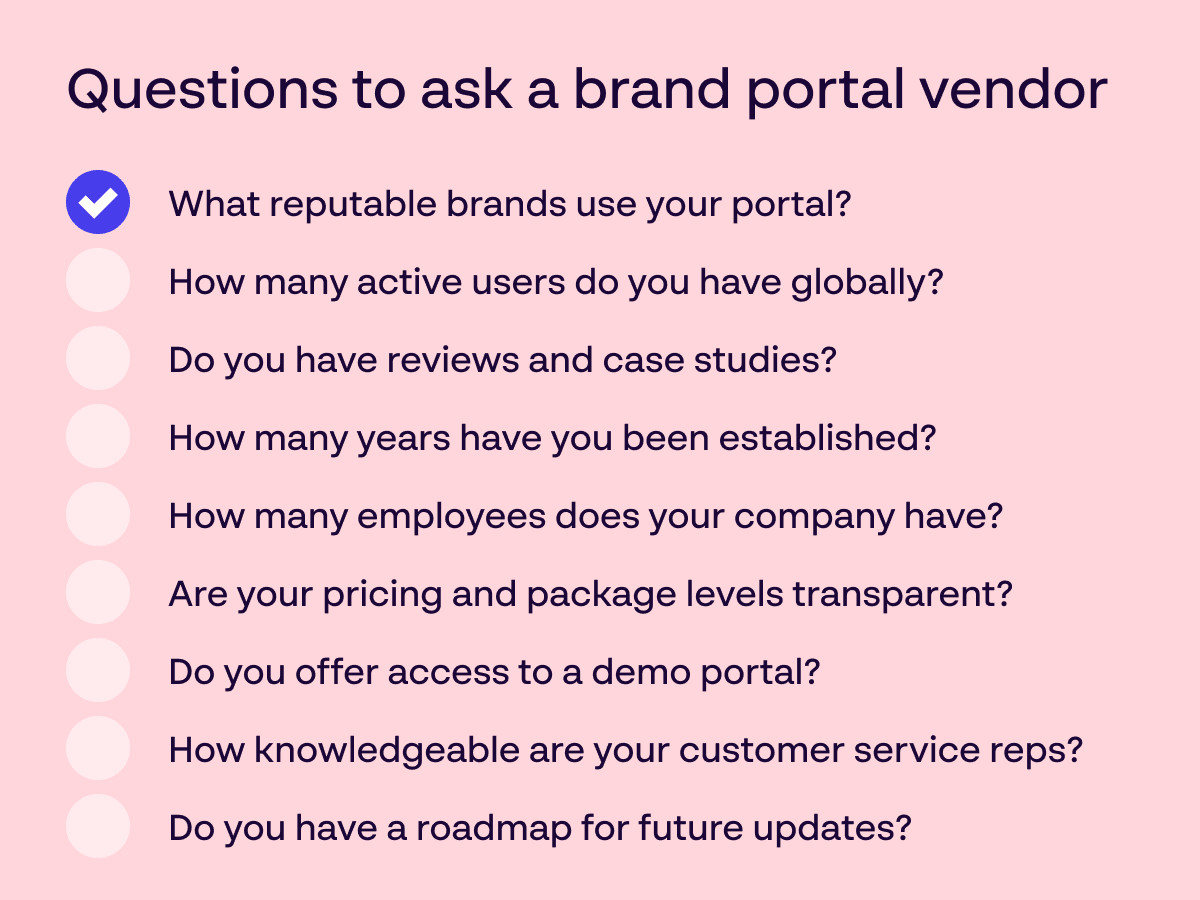
A strong partnership is also key to success. Here are questions you need to ask to ensure your brand porta is coming from a provider you can trust:o research available options and ask the right questions to locate your perfect match:
Better brand management starts with your brand portal
A DAM is an essential part of your brand operations. But by itself, it cannot deliver the holistic brand governance that today’s organizations need.
A brand portal provides the context, education, and clarity that a DAM alone cannot. Together, they form a powerful duo. Solutions like the Papirfly Suite pair your DAM with a robust brand portal, ensuring your teams have the structure, knowledge, and confidence to represent your brand exactly as it is meant to be.
Ready to take control of your brand?
Create a one-stop-shop for all your teams.
Ready to take control of your brand?
Create a one-stop-shop
for all your teams.
Create a one-stop-shop for all your teams.
FAQs
How is a brand portal different from a Digital Asset Management system?
A DAM manages your digital brand assets – it stores, organizes, and distributes approved files. A brand portal goes further. It gives teams the context, guidance, and education they need to apply your brand correctly across every channel. Together, they create a complete brand management ecosystem.
Why can’t a DAM deliver complete brand consistency on its own?
A DAM can show users what an asset looks like, but it cannot teach them why it looks that way or how to use it. Without brand guidelines, examples, and clear guardrails, inconsistencies emerge. A brand portal provides the strategic layer that ensures every execution aligns with your brand identity.
How does a brand portal improve DAM adoption?
Many adoption challenges stem from confusion. User may not know where the DAM is, how to navigate it, or what role it plays. A brand portal serves as the natural front door to your brand and your DAM, giving employees a single, intuitive location that brings clarity and reduces friction.
What makes a brand portal essential for companies going through a rebrand?
During a rebrand or brand refresh, clarity is critical. A brand portal allows you to present the new brand identity instantly and consistently to global teams, eliminating outdated brand assets and preventing mixed signals. It ensures everyone transitions seamlessly to the updated brand.
What features should I prioritize when choosing a brand portal?
Look for customization options, multi-language support, drag-and-drop editing, flexible section builders, WYSIWYG tools, and seamless integrations. These features ensure your portal reflects your brand authentically and fits smoothly into your existing brand ecosystem.