

This content has been automatically translated and may include minor variations.
Anyone who has guided a rebranding project or brand refresh knows how demanding the process can be. There are countless moving parts – from preparing internal teams to updating every asset across your brand ecosystem. When managed well, a rebrand can open new markets, modernize perception, and strengthen your competitive position. But when handled poorly, it can drain resources and create distance between you and your most loyal customers.
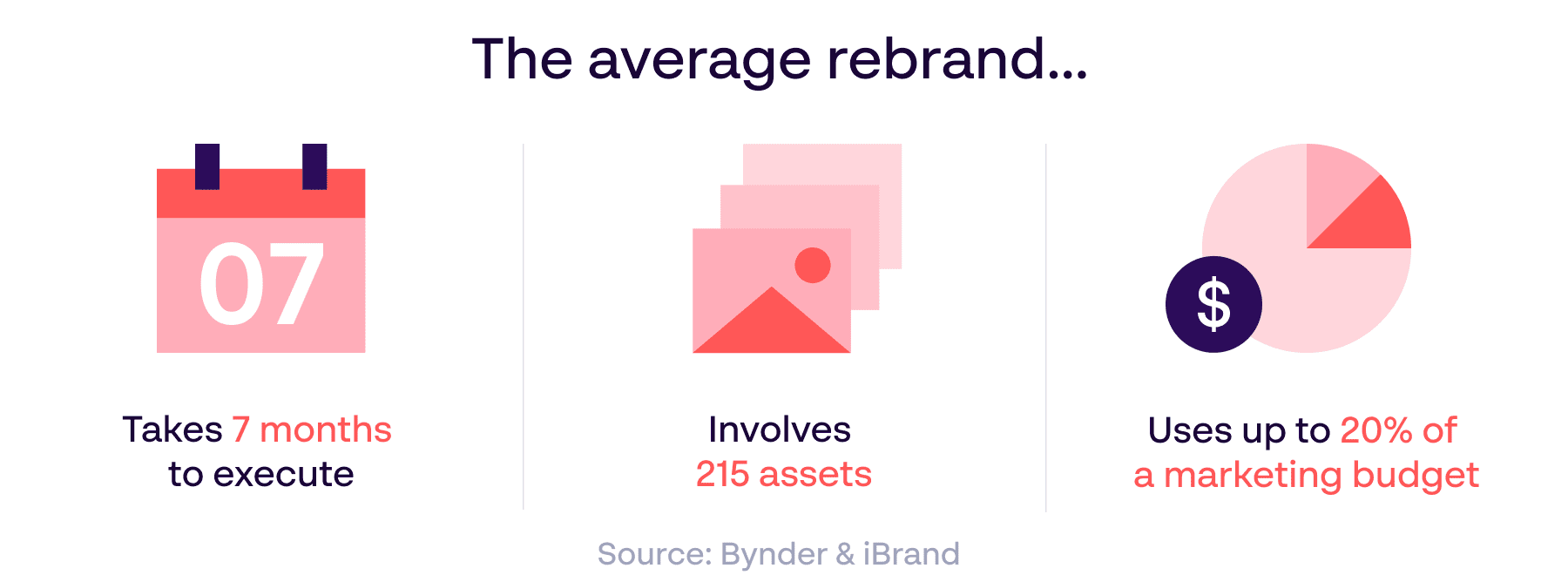
To give your rebrand every chance of success, your teams need the right tools at every stage.
Below, we break down ten essential rebranding tools and technologies that help you activate, scale, and maintain your new brand identity with control and confidence.
What are the steps to a successful rebrand?
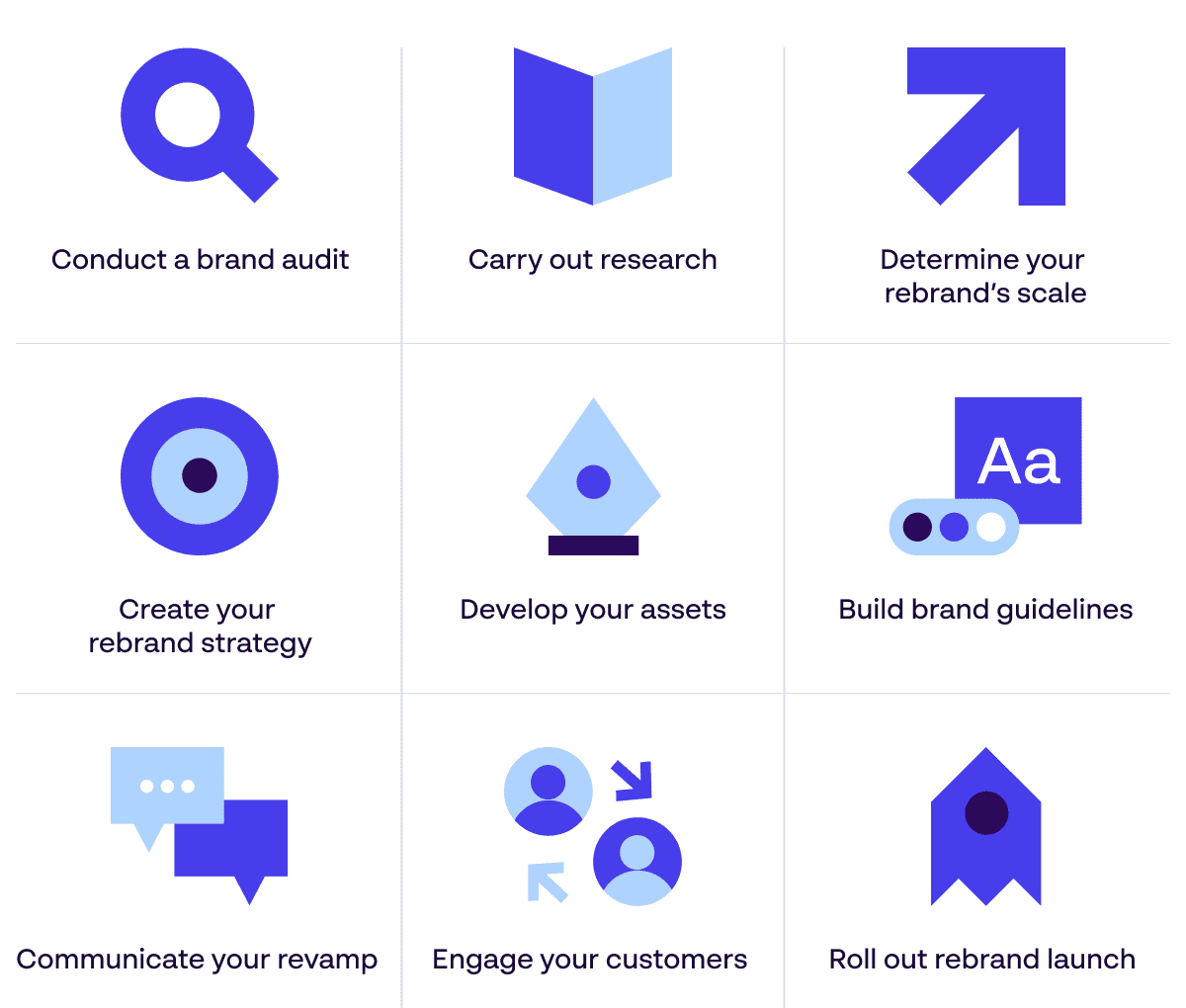
Before exploring the tools that support a smooth rebrand journey, it is worth revisiting the core elements of the rebrand process. While every project is different, most effective rebrands follow nine key steps:
- Conduct a brand audit – identifying your strengths and weaknesses and establishing any change in target audiences, vision or identity.
- Research competitors – to gain inspiration and inform the direction of your rebrand.
- Determine the scale of your rebrand – a refresh, partial update, or complete transformation.
- Create your rebrand strategy – defining the goals behind the change.
- Develop new creative assets – visual elements, messaging, marketing materials, names, and more.
- Build new brand guidelines – bringing together your tone, visual identity, and brand expression.
- Communicate the change – clearly articulating your rebrand to stakeholders, marketers, and employees, as part of an internal rollout.
- Engage customers and wider audiences – preparing them for the shift and helping them understand your new direction.
- Launch your rebrand – and manage the post-launch rollout with structure and consistency.
It’s a lot to contend with – especially when you consider the range of marketing channels you need content for and the importance of managing customer expectations. But with the right tools in place, each stage becomes easier to manage – and your new brand identity is far more likely to stick.
10 rebranding tools and technologies to activate your rebrand
1. Market research tools
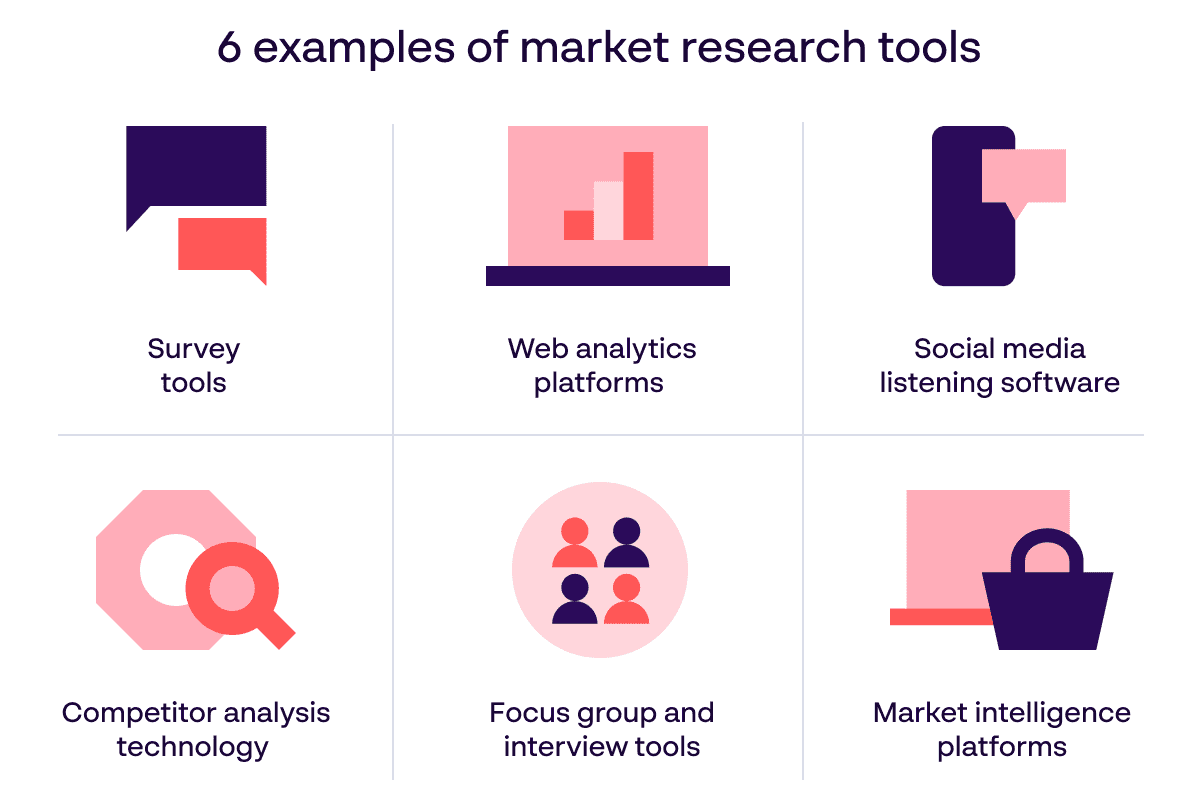
Every strong rebrand is rooted in insight. High-quality market research helps you understand what audiences want, how they perceive your current brand, and where opportunities exist for differentiation. With the right data, you can make informed decisions about the scale of your rebrand and the direction of your new identity.
There are many different tools to draw on for your market research. Here are some key areas worth focusing on:
2. Brand portals
Consistency is the backbone of every successful rebrand. If old designs, logos, or slogans start creeping back into your marketing, your new brand identity just isn’t going to stick.
This is why a brand portal is such a valuable tool. It gives your teams a central, cloud-based home for everything that defines your new identity – guidelines, tutorials, example assets, and more.
By bringing your brand voice, values, logo usage, color palette, and visual elements into a single place, you help every employee understand the brand and apply it correctly. This reduces errors, accelerates adoption, and keeps inconsistencies from creeping into your marketing.

3. Digital Asset Management (DAM) systems
A Digital Asset Management system is another way to gain control over your approved brand assets. It prevents outdated logos or legacy visuals from resurfacing by keeping all verified creative assets in one organized library with clear permissions. It also provides an easy-to-navigate repository for every asset created for your rebrand.
Global teams benefit from a single source of truth, ensuring that every market, channel, and region uses the same brand identity. A DAM also makes it easier to manage version control and protect your brand integrity long after external launch.

4. Project management tools
A rebrand has many moving parts. Strong project management is vital to keep them all organized, aligned, and progressing in the right direction. Without it, deadlines drift, rollout quality suffers, and costs begin to skyrocket.
Project management tools help you assign responsibilities, track progress, streamline workflows and reduce costly delays. Popular platforms include Trello, Asana, monday.com, Basecamp and Smartsheet. Used well, these tools ensure your rebrand moves forward with pace and alignment
- Trello
- Asana
- monday.com
- Basecamp
- Smartsheet
Investing in one or more of these tools can keep your rebrand on time and budget, and support your marketing activities post-launch.
5. Team communication platforms
Clear communication keeps your rebrand on track. If your teams work across regions or remotely, relying on email alone slows progress and creates silos. Communication platforms such as Slack, Hive, or Zoom offer real-time connection, enabling quick decisions, better collaboration, and fewer misunderstandings.

6. Content creation and graphic design software
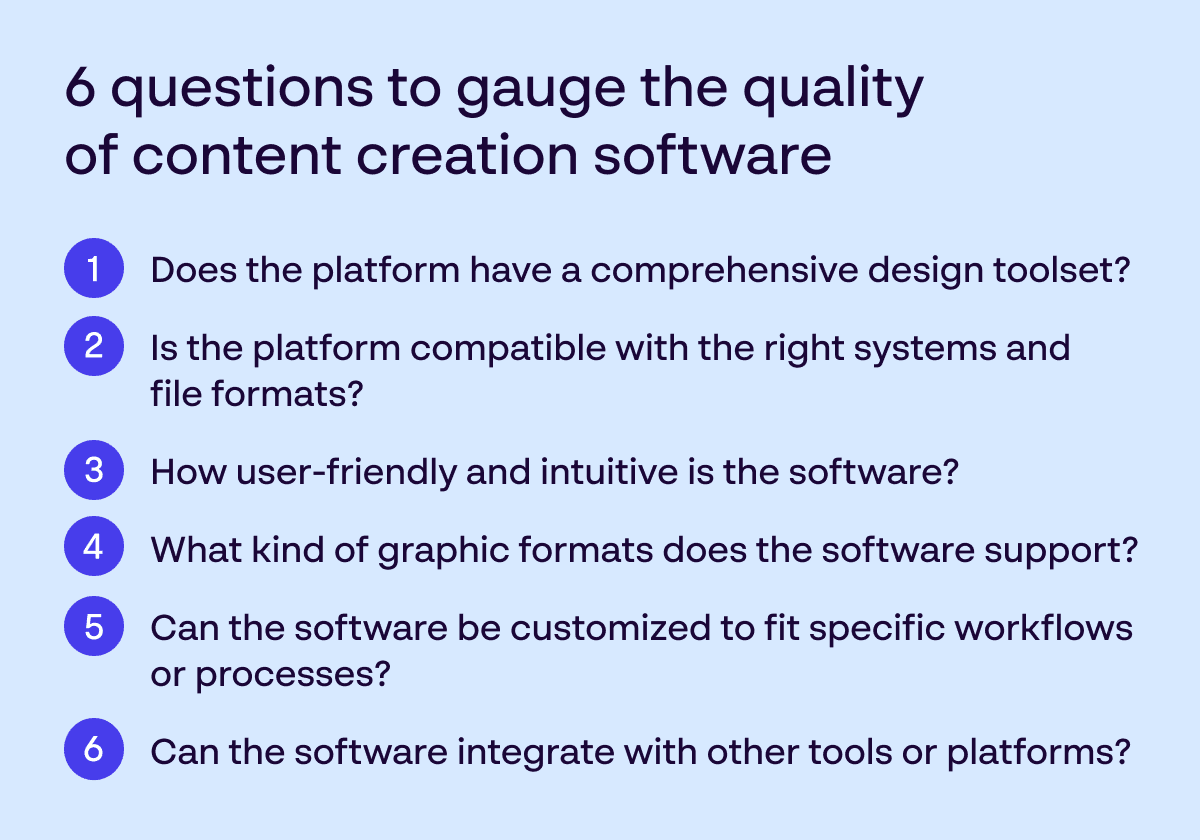
Whether your rebrand is handled in-house or with agency support, you need powerful design tools to shape your new identity. These platforms define the creative foundation, from typography and illustration to photography and layout.
There are many tools out there for you to choose from. Finding the ideal solution requires clarity around your design goals, your team’s skill set, and the kinds of creative assets you need to produce. Here are some questions you can ask to help identify the branding software that’s right for you:
7. Design template software
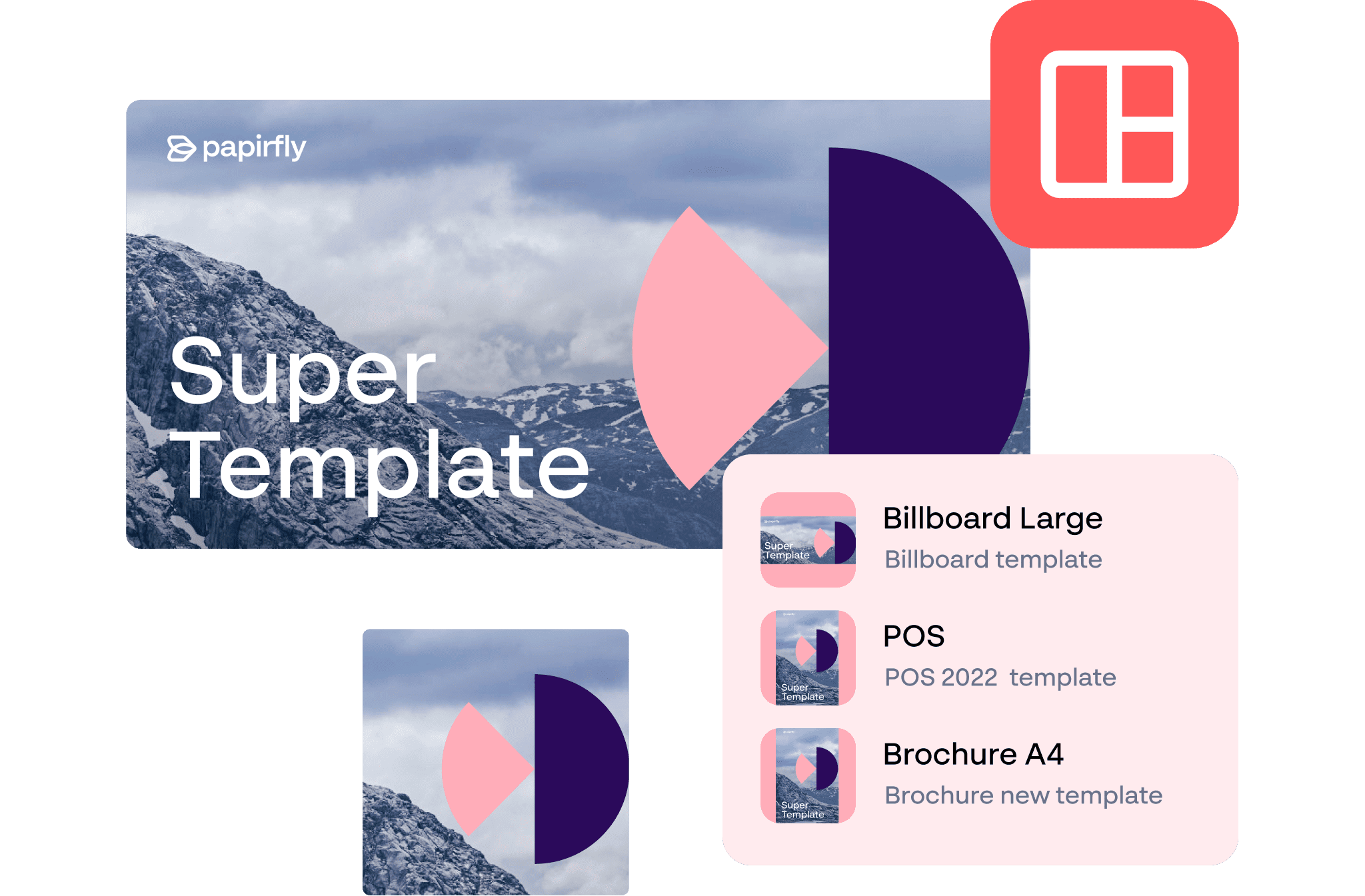
Once your identity is defined, your teams need a way to apply it at scale. Templated Content Creation enables non-designers to produce brand-compliant assets quickly and confidently – without overwhelming your creative team.
Templates empower your organization to act with speed, especially during the high-demand period immediately after external launch. They help preserve brand consistency, reduce bottlenecks, and ensure employees across the business can generate on-brand content for every channel.
8. Campaign planning tools
Your rebrand launch is a make-or-break moment. It should introduce your brand identity refresh with clarity and intention – not catch audiences off guard like the transition from Twitter to X.
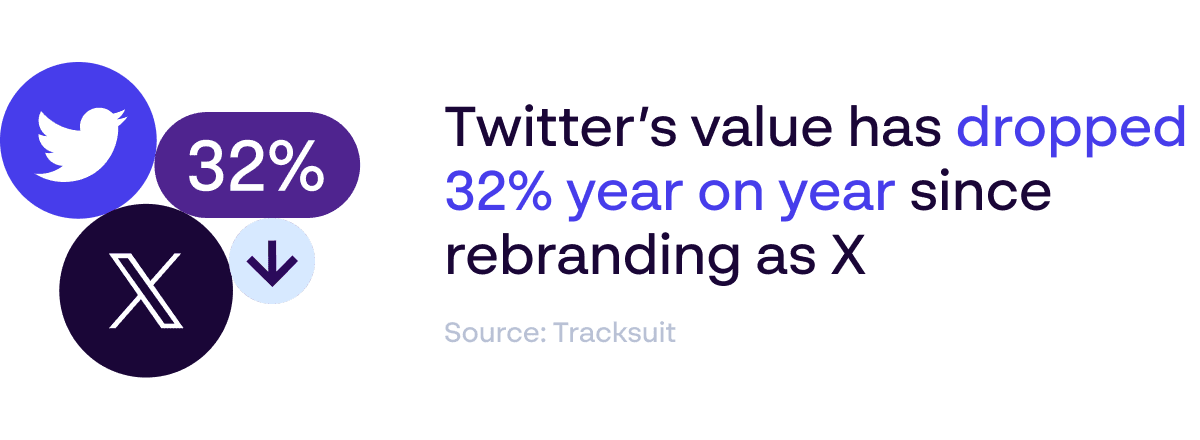
A strong external launch campaign builds anticipation, teases visual changes, and prepares customers for what comes next. Campaign planning tools make this easier by helping you map out your rebranding timeline, manage approvals, coordinate messaging, and ensure every touchpoint works together. They also support ongoing marketing efforts once your rebrand is live.
9. Data and analytics tools
Success must be measured, not guessed. Every effective brand strategy will establish targets and KPIs, which may include:
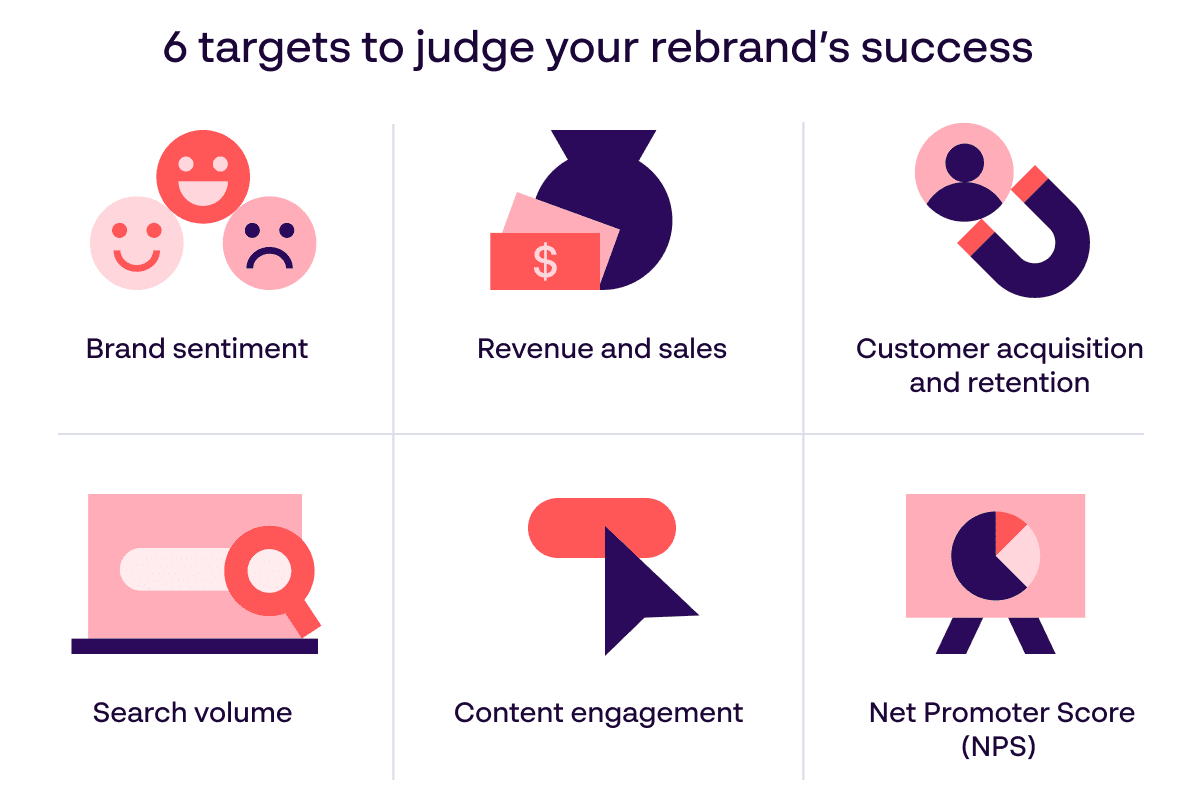
Analytics platforms give you the data you need to track your progress accurately. From social listening tools that assess audience reactions to financial analysis platforms that evaluate return on investment, they help you pinpoint what is working and where refinements are needed. They also strengthen your case when communicating results to leadership.
10. Modular brand suites
Brand asset management is a long-term responsibility. Rather than piecing together dozens of tools from separate providers, many organizations choose a modular suite that brings their essential brand management operations together.
Modular suites typically include Digital Asset Management, Templated Content Creation, brand portals, and campaign planning tools. This consolidated approach reduces complexity and gives teams a unified ecosystem that supports brand consistency from day one.

Make transformation stick with the right rebranding tools and technologies
Rebranding is a major undertaking that demands strategic clarity, operational discipline and the right digital foundation. With the proper tools in place, you can keep your teams aligned, reduce the risk of inconsistency and launch a brand that resonates in every market.
We hope this guide helps you identify the rebranding tools and technologies that best support your rebrand journey. With thoughtful preparation and the right systems, you can look forward to a smoother, more controlled rebrand rollout – and a brand identity built for long-term success.
Activate your next rebrand with confidence
Ensure your new identity stays consistent everywhere.
Activate your next rebrand with confidence
Ensure your new identity stays consistent everywhere.
Ensure your new identity stays consistent everywhere.
FAQs
Why are digital tools so important during a rebranding process?
A rebrand involves many interdependent steps across strategy, design, communication, and execution. The right tools help teams stay aligned, prevent inconsistencies, accelerate workflows, and ensure your new brand identity is rolled out smoothly across every channel.
What role does a brand portal play in successful rebranding?
A brand portal gives employees a single source of truth for your new brand identity. It brings brand guidelines, examples, best practices, and training materials together in one place, helping everyone understand the brand and apply it correctly from day one.
Do I need a Digital Asset Management system if I already have shared folders?
Shared folders offer content storage, not content governance. A Digital Asset Management system prevents outdated brand assets from resurfacing, enforces permissions, supports version control, and ensures every team works with approved, on-brand materials throughout the rollout.
How do templated design tools support rebrand adoption?
Templated Content Creation empowers non-designers to produce brand-compliant assets at speed. This reduces pressure on creative teams, increases brand consistency, and helps your organization scale content creation as soon as the rebrand launches.
What should I measure to understand whether my rebrand is working?
Key performance indicators often include brand sentiment, customer engagement, digital performance metrics, and commercial impact. Strong analytics tools help you track these signals, identify early issues, and demonstrate progress to leadership.