

This content has been automatically translated and may include minor variations.
Rebranding projects often feel like they’ll never end. Decision-makers understandably want swift results, but a truly effective rebrand requires a strategic and phased approach. This isn’t a quick fix; it’s a transformation.
This post provides a realistic template for your rebranding timeline, highlighting the importance of alignment across the three foundational elements of the Forrester Brand Lifecycle Framework (corporate, functional, and measurement) for a successful and sustainable rebrand.
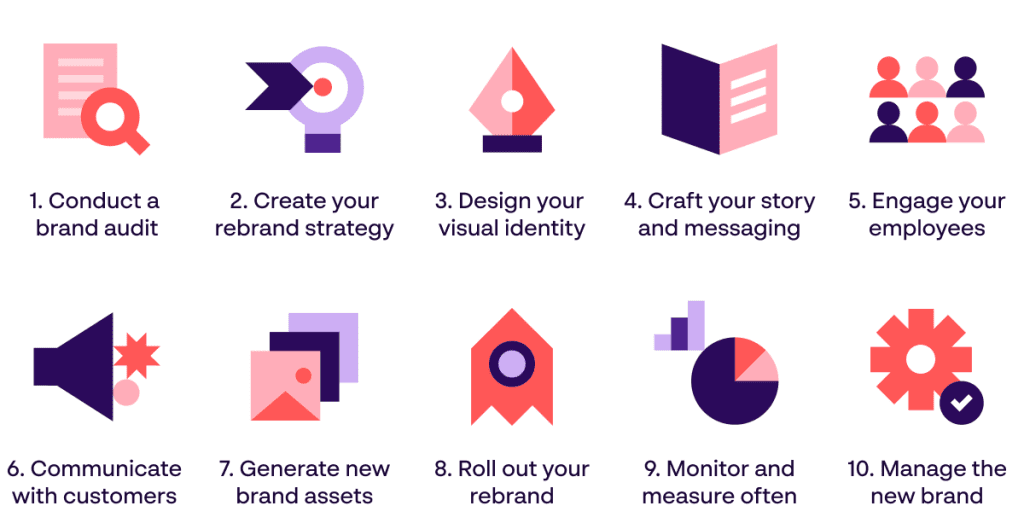
The five key phases of a rebranding timeline
Phase 1: Discovery & strategy (4-6 weeks)
Why are you considering a rebrand? Before proceeding, validate your reasoning and assess if this can justify such an extensive initiative. Rebrands can consume anywhere from 10-20% of an organization’s marketing budget and involve significant portions of team members’ time, potentially impacting 30-50% of overall available resources during peak periods.
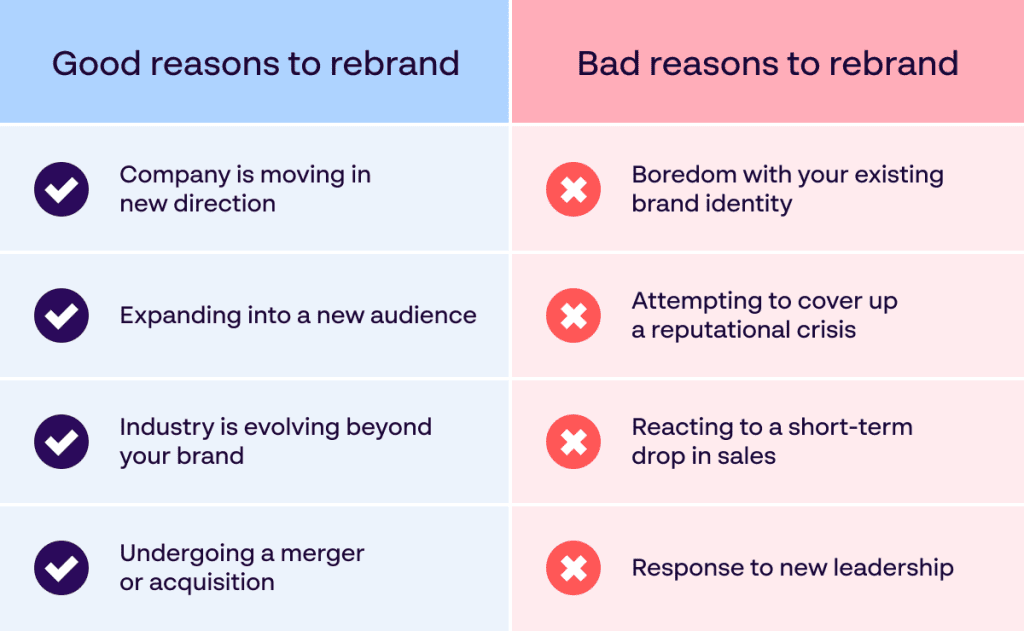
Phase 1 is a foundational phase that sets the stage for success. On average, what firms anticipate as a 3-6 month project can stretch into a year or more, depending on the project’s scope and complexity. Centralized information management and collaborative tools are essential for effective planning. As Forrester notes, “Brand is a strategic asset for B2B businesses and drives impact throughout the company,” making thorough initial planning crucial.
- Brand audit, market research & competitor analysis: Understand your current brand’s strengths, weaknesses against your competition and identify opportunities for differentiation. Data integration and analysis tools can significantly streamline this process.
- Define objectives & KPIs: Clearly define your goals to measure success. Project management tools are essential for tracking progress and ensuring accountability.
- Develop a rebranding brief: A comprehensive document outlining the overall rebranding strategy. A centralized repository for this critical document and related materials is essential.
When B2B marketing leaders neglect to perform the foundational work to secure alignment and measure the impact of their brands, they hamper their ability to successfully fulfill brand objectives that are aligned to business strategy. – Forrester
Phase 2: Essential tools for rebranding (2-4 Weeks)
Before any internal rollout or external launch, it’s crucial to establish the right tools that support the rebranding initiatives. They ensure brand consistency and streamlined processes throughout the lifecycle of the rebrand:
- Digital Asset Management software: Implement a DAM system to house all brand assets. This includes features such as a brand portal for showcasing the new brand, enabling easy access and sharing of brand elements like logos, images, and guidelines.
- Marketing material creation: Utilize on-brand content creation (OBCC) systems to create templates and develop new marketing materials (e.g., brochures, ads, social media posts) aligned with the new brand. Rebranding software that empowers employees to create on-brand marketing materials quickly and efficiently are a must.
Phase 3: Brand design & development (6-8 weeks)
This creative phase benefits from efficient asset management and collaborative tools:
- Brand messaging & story: Develop compelling brand messaging aligned with your target audience. Maintaining consistent messaging across all materials requires a centralized system.
- Visual identity and style guide design: A comprehensive guide detailing the visual and messaging standards including logo, color palette, typography, and visual style guide. Version control and easy access to creative assets are crucial for maintaining brand consistency, as well as efficient distribution.
- Brand voice: Define the personality of your brand. Consistent application of your defined brand voice relies on readily accessible brand guidelines.
Phase 4: Internal rollout & training (4-6 weeks)
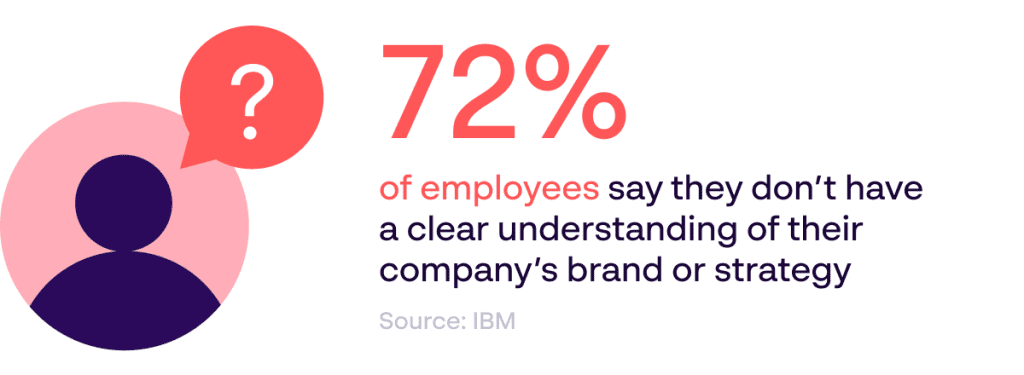
Securing internal buy-in is critical. Forrester emphasizes the need for “Functional interlock,” where “Marketing, sales, product, customer service, HR, finance, and other functions must embrace their role as brand ambassadors.”
- Internal communication plan: Inform employees about the rebrand, address concerns, and build enthusiasm. Streamlined communication and content distribution to employees are key, rebranding management software can support this.
- Employee training: Provide training to educate employees on the new brand guidelines and ensure consistent application. Centralized access to training materials is critical.
- Internal branding materials: Create communication materials to support the internal rollout (e.g., presentations, FAQs, style guides for internal use).
Phase 5: External launch & ongoing measurement (6-8 weeks+):
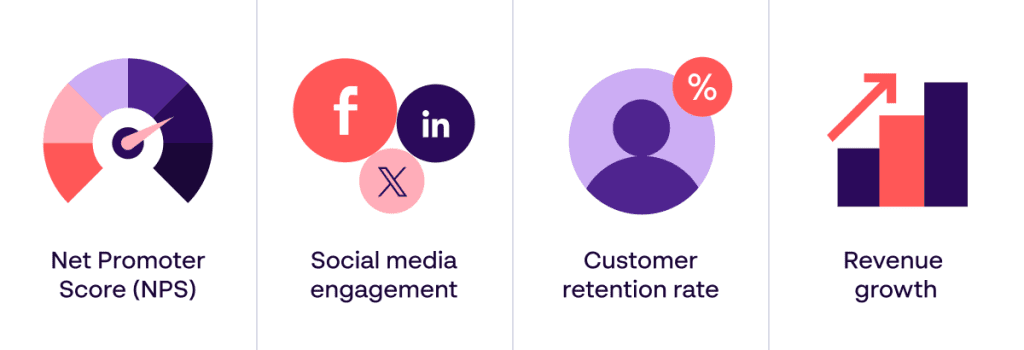
Efficient workflows are key for a successful external launch. Forrester’s framework highlights the need for “Measurement interlock” to demonstrate ROI.
- Public relations & media outreach: Announce the rebrand to the media and generate positive press coverage. Maintaining brand consistency in your press kit and assets is critical.
- Post-Launch monitoring & analysis: Track key performance indicators to assess the rebrand’s effectiveness and make necessary adjustments. Data integration with analytics platforms is invaluable.
- Brand maintenance & evolution: Ensure consistent brand application across all channels. A robust system for managing brand guidelines and brand-compliant assets is necessary. A flexible system that can adapt to changing market conditions and future brand evolution is essential..
This rebranding timeline provides a roadmap, but remember that the true value of rebranding lies in its capacity for ongoing evolution. Consistent application of your rebranding strategy, continuous monitoring of performance, and agile adaptation to changing market conditions are crucial. A well-defined framework—one that facilitates data-driven decision-making and enables agile adaptation—is essential for maximizing the long-term ROI of your rebranding initiative.
Ready to kick start your rebranding project?
The right tools can streamline workflows and manage stakeholder engagement. Discover a home for your rebrand.
FAQs
How long does a typical rebranding project take?
While most organizations expect a rebranding project to take three to six months, many can extend to 12 months or more if not carefully managed. Factors like scope, internal rollout, resource availability, and technology readiness can significantly impact the rebranding timeline.
Why is the discovery phase so important?
Discovery is the foundation of any rebranding strategy. It validates why the rebrand is happening, uncovers current brand challenges, aligns stakeholders, and defines KPIs. Without this groundwork, teams risk misalignment – one of the biggest contributors to delays, budget overruns, and lack of brand consistency in execution.
What tools are essential before the external launch of a rebrand?
Before rollout, teams need a reliable branding software suite including a Digital Asset Management (DAM) system, a central brand portal, and on-brand content creation tools. These systems ensure brand consistency, enable easy access to new assets, and allow global teams to create brand-compliant creative assets from day one.
How do we ensure employees adopt the new brand correctly?
Internal rollout is critical. This includes clear communication, structured training, accessible guidelines, and templates that make “doing it right” the easiest option. Forrester calls this Functional Interlock – ensuring every team understands its role as a brand ambassador.
How do we measure whether a rebranding project is successful?
Success is tied to clear KPIs defined during the strategy phase, followed by ongoing measurement after external launch. Metrics may include brand awareness, engagement, asset adoption, operational efficiency, and customer perception. Continuous monitoring and agile refinement are essential to long-term ROI.
Table of contents: