

This content has been automatically translated and may include minor variations.
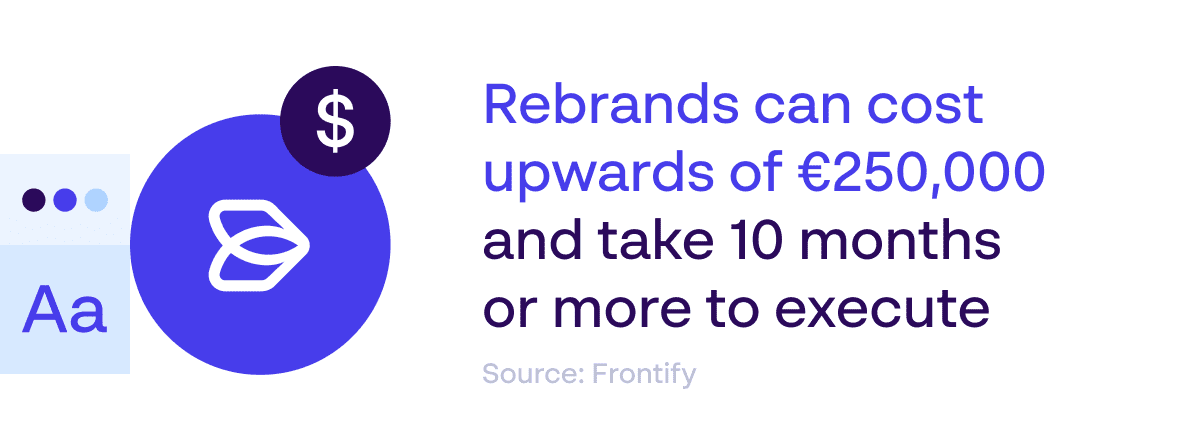
Rebranding is one of the most complex projects a company can undertake. It demands months of decision-making, research, stakeholder alignment, and creative development. But once the new identity is unveiled, many brands discover a painful truth — the real work begins after launch.
Without a strong post-launch plan, even the most carefully designed rebrand rollout can lose momentum, confuse customers, or fail to take hold internally. And in a landscape where brand integrity and brand consistency directly influence customer trust, overlooking this phase is a costly mistake.
This post explores the biggest challenges your rebranding strategy faces after go-live – and the practical steps that help your new identity thrive long after launch day.
3 challenges your rebrand rollout must overcome
Your style guides are built, your team members are onboard, and your new identity is off the ground. Here are three key rebrand challenges you’ll need to keep on top of throughout the course of your rebrand timeline.
1. Handle pushback from customers
Even the most loyal customers can feel unsettled when a familiar brand suddenly looks and sounds different. Rebranding touches emotion before it touches logic – and audiences often respond with skepticism or disappointment before they embrace change.
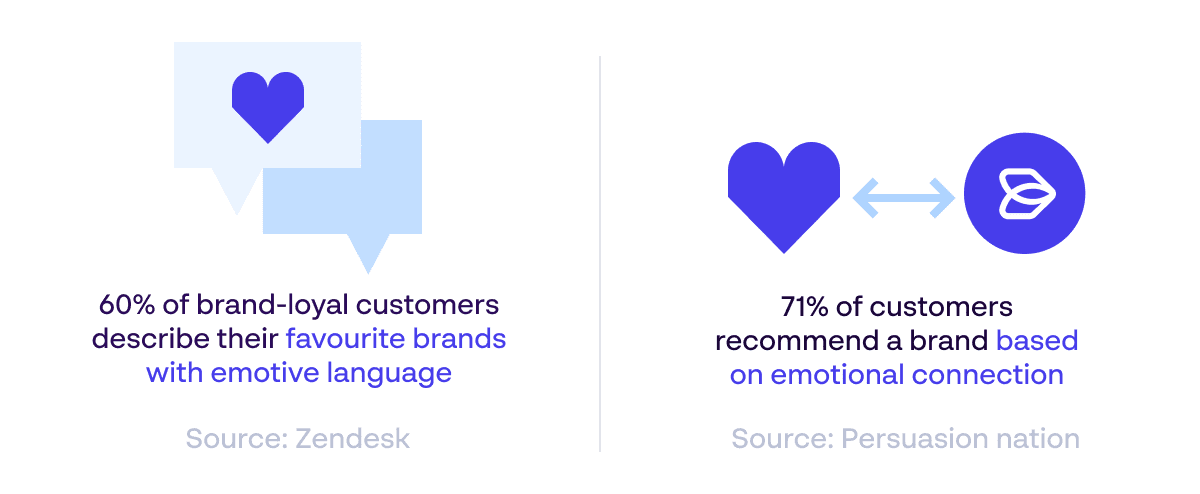
When brands underestimate customer reaction, the consequences can be dramatic. The GAP rebrand remains a well-known cautionary tale: months of planning and roughly $100 million invested, yet the identity survived only six days due to intense public rejection.
To avoid this outcome, brands must actively manage sentiment, communicate transparently, and reinforce trust throughout the entire rollout.
2. Maintain brand consistency across every touchpoint
A rebrand introduces a new color palette, visual elements, messaging, and brand voice – and every team must adopt them flawlessly. Even a single outdated asset can weaken credibility and water down your new brand.
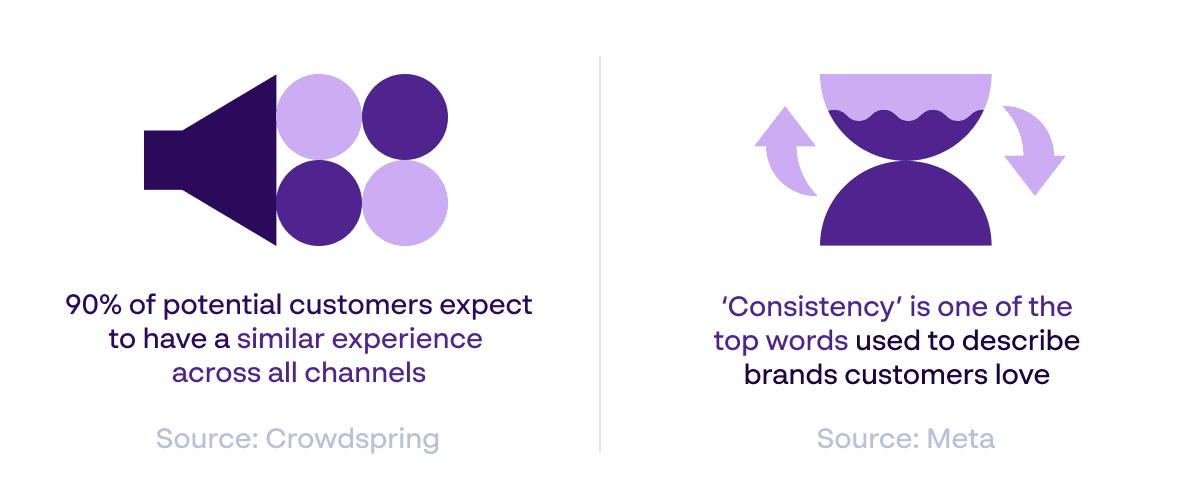
Maintaining consistency across regions, markets and languages is tough. But not impossible. Start by centralizing brand guidelines and up-to-date creative assets and making them accessible to everyone who needs them. Your brand portal should also provide people with context, so they understand why the brand has hanged and how their role contributes to expressing it correctly.
3. Scale your new identity efficiently
Every rebrand rollout presents a major logistical challenge. After launch, assets multiply rapidly. Teams produce campaigns, product sheets, social visuals, sales materials, videos, training documents – all carrying your new design language.
Without the right system, this explosion of content leads to bottlenecks, duplicated work, and off-brand materials. And as your asset library grows from hundreds to thousands, manual processes quickly become unsustainable.
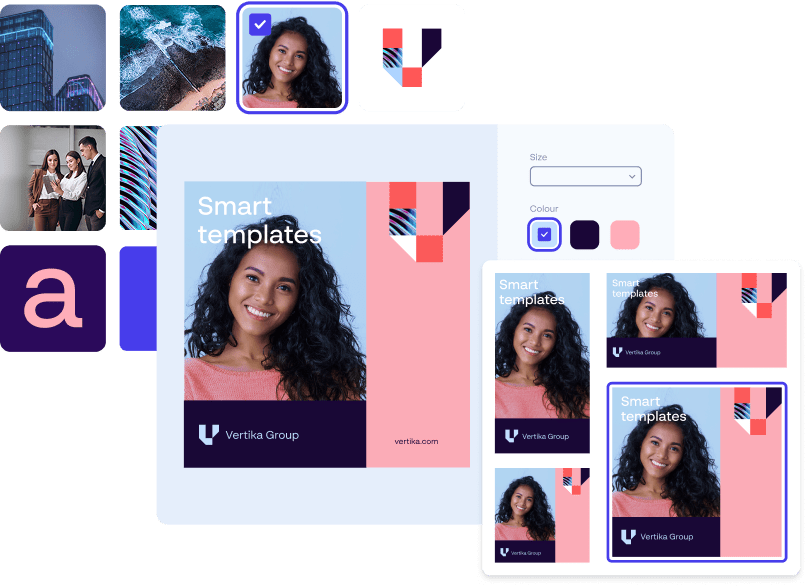
This is where Digital Asset Management and Templated Content Creation become essential. They help solve logistical challenges automatically, ensuring every piece of content reflects the new brand exactly as intended.
5 tips for long-term rebrand rollout success
Here are five practical steps you can take to give your new brand identity staying power.
1. Communicate your rebrand story – again and again
People need clarity, context, and repetition before a new brand feels natural. Your communication strategy must go beyond a single launch announcement.
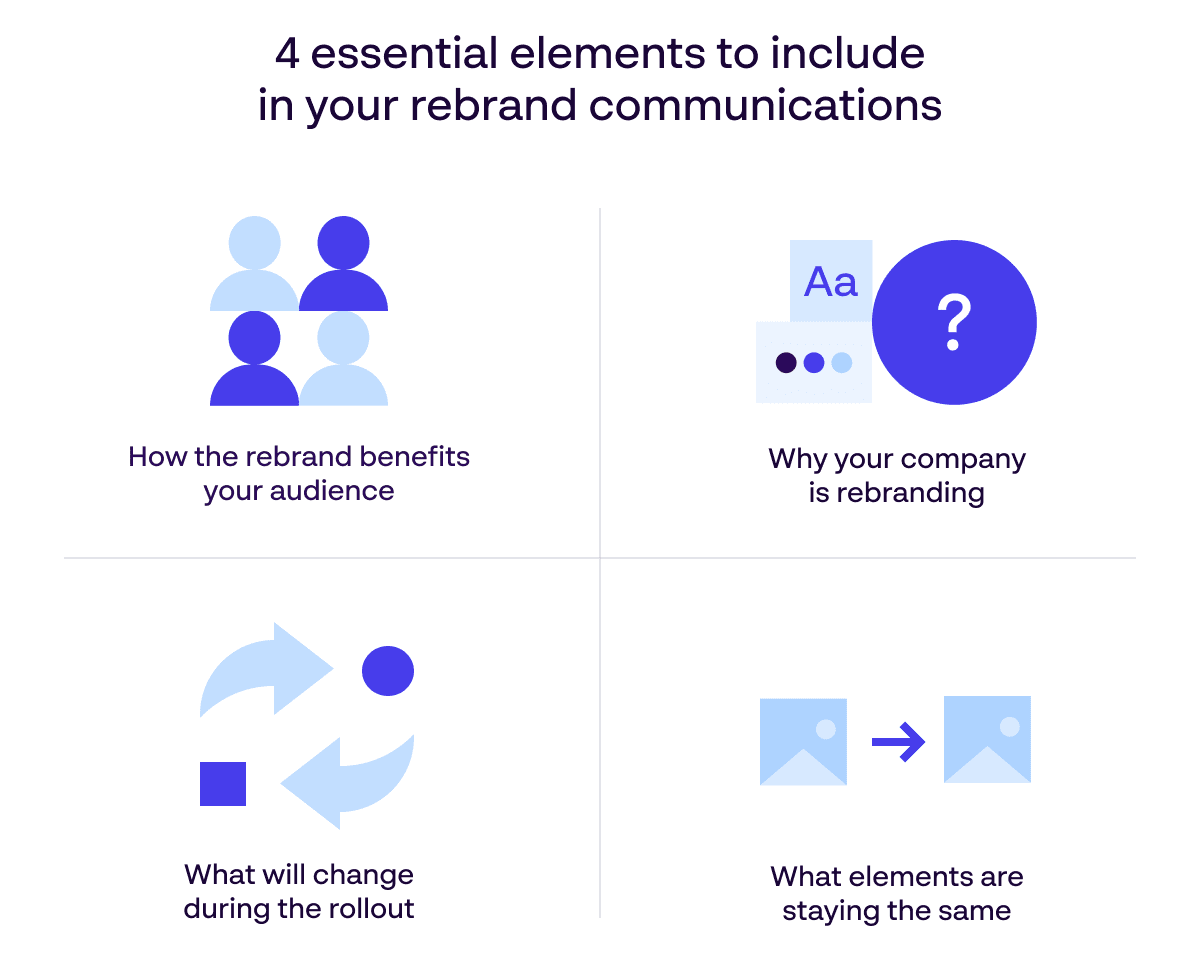
Explain what changed, why it matters, how it benefits employees or customers, and what action they should take. Share updates regularly and reinforce your narrative through multiple channels – internal, external, and everything in between.
When you feel like you’re repeating yourself, that’s usually when your audiences are finally starting to get the message.
2. Invest in employee training and engagement
Your employees bring your rebrand to life. They create the content, answer customer questions, and embody your identity in every interaction.
To keep them empowered and aligned as your brand evolves, make sure they have:
- Clear, accessible guidelines
- Ongoing training sessions
- A central location to find updated creative assets
- Tools that make it easy to stay on-brand
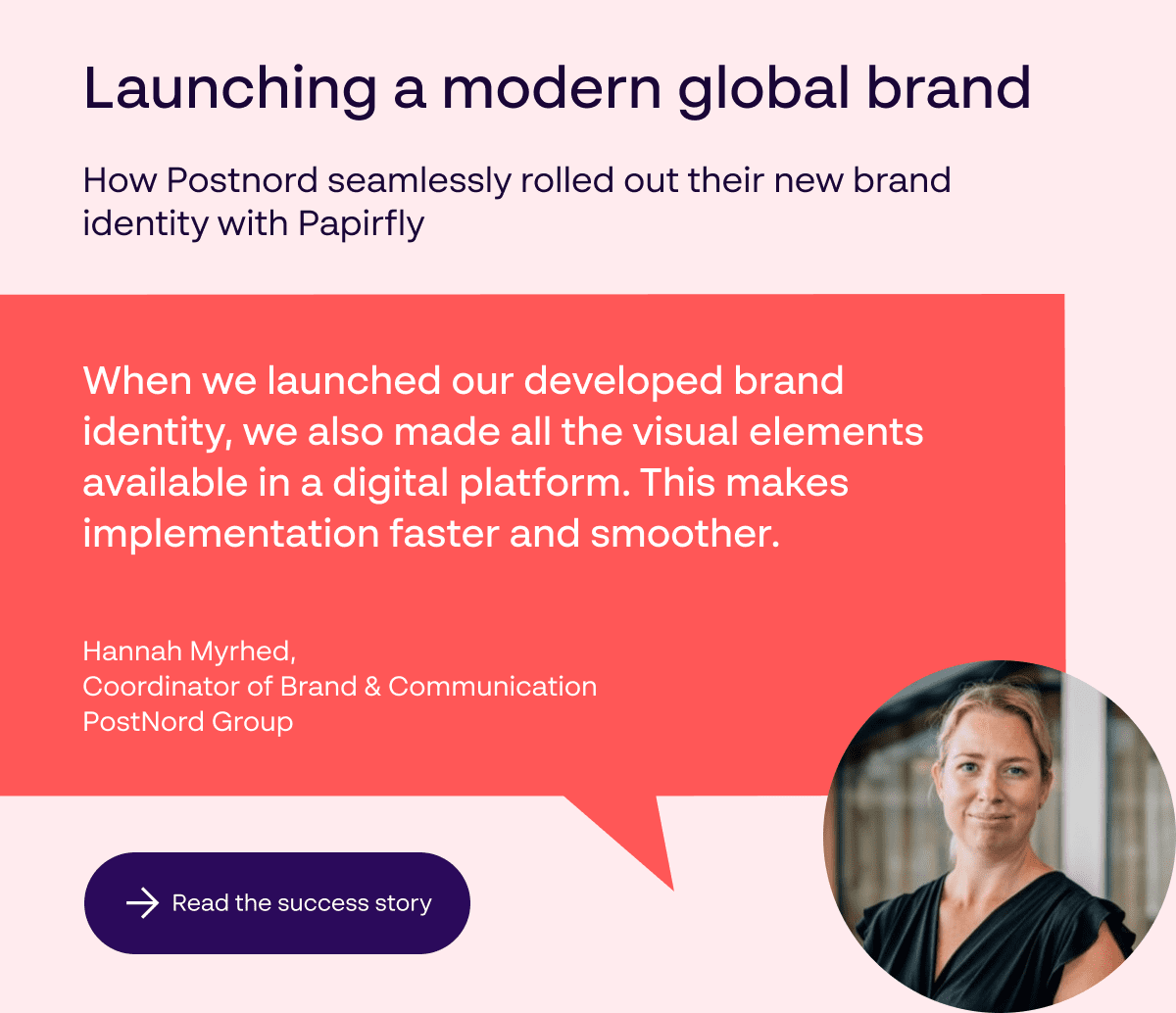
Brand portals and centralized content hubs make this process seamless, helping employees avoid accidental inconsistencies and stay up to date with what “good” looks like as your continue to refine your new identity.
3. Gather feedback from your audiences
3. Gather feedback from your audiences
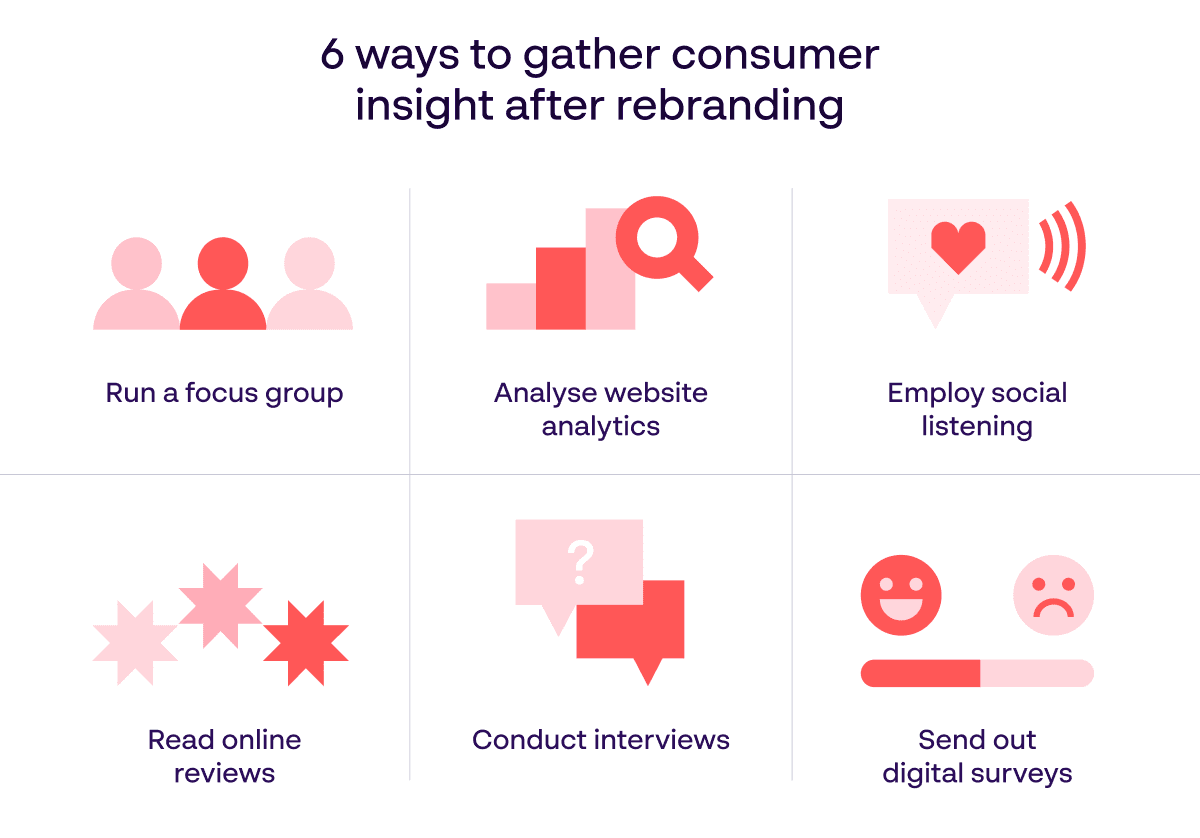
Feedback is the cornerstone of any successful rebrand rollout plan. It helps you understand emotional responses, identify any areas of confusion, and make course corrections before issues spread.
For best results, use surveys, social listening, and internal forums. And make sure you listen to everyone who interacts with your new identity – customers, employees, partners, and more.
4. Track performance and adjust your brand strategy
You introduced your new identity with goals in mind — perhaps boosting brand equity, reaching new audiences, or improving customer perception. The only way to understand whether you are succeeding is to measure the impact.
Key metrics often include:
- Net Promoter Score (NPS) – indicates loyalty and sentiment.
- Social media engagement – reveals how audiences respond to your new look and message.
- Customer retention rate – signals long-term trust.
- Revenue growth – shows the commercial return of your new brand.
All these insights help you refine messaging, optimize assets, and build a more effective long-term brand expression.
5. Use technology that supports rebranding at scale
Managing the logistics of a rebrand is a heavy lift — especially when content creation accelerates across global teams.
Modern organizations rely on rebranding tools that:
- Organize and distribute assets through Digital Asset Management
- Empower employees to create brand-compliant assets through Templated Content Creation
- Support consistent brand governance
- Streamline approvals, collaboration, and version control
This combination helps reduce bottlenecks, maintain control, and ensure your brand expresses itself consistently across every market and team.
Create a stronger future for your rebrand
Rebranding demands clarity, commitment, and operational excellence long after the launch event ends. With the right communication plan, strong employee enablement, continuous feedback loops, performance tracking, and supportive technology, your new identity can build trust, inspire audiences, and grow stronger over time.
Your launch is only the beginning. What you do next determines whether your brand transformation becomes a lasting success.
Make your rebrand rollout stick
Use DAM and Templated Content Creation to drive consistency
Make your rebrand rollout stick
Use DAM and Templated Content Creation to drive consistency
Use DAM and Templated Content Creation to drive consistency
FAQs
How long does a rebrand rollout typically take?
Rebranding timelines vary by company size, but most organizations spend several months on communication, asset updates, and internal rollout before the brand is fully embedded.
Why do so many rebrands struggle after launch?
Most rebrands fail because the focus ends at the reveal. Without a structured post-launch plan, teams fall back on old habits, customers feel disconnected, and inconsistencies appear across touchpoints. Sustained communication, training, and content governance are essential to keep your new identity on track.
How do I keep global teams aligned during a rebrand?
Centralized brand guidelines, Digital Asset Management, and Templated Content Creation help ensure every region works with the same approved assets and messaging.
What should I do if customers react negatively to my rebrand?
Start by acknowledging feedback, provide clear reasoning behind the change, and reinforce the value customers will gain. Transparency builds trust over time.
How do we measure whether our rebrand is working?
Track performance against the goals you set before launch. Metrics like NPS, customer retention, social engagement and revenue growth reveal how your audiences are responding – and where refinements are needed to strengthen impact.
What tools help us scale our new identity efficiently?
Digital Asset Management and Templated Content Creation remove the friction from producing and managing brand-compliant assets at scale. These solutions help reduce bottlenecks, streamline workflows, and ensure your updated identity appears consistently everywhere it lives.