

This content has been automatically translated and may include minor variations.
Managing multiple products and brands in the fast-moving consumer goods space is demanding. Assets move quickly. Teams work across regions. And every touchpoint must reflect the brand your customers trust.
When digital content is scattered or inconsistent, your message loses clarity. But when your brand is expressed consistently – everywhere, by everyone – it strengthens recognition, builds loyalty, and helps you stand out in crowded categories.
Here are four practical ways to simplify brand management for FMCG and protect brand equity at scale.
1. Build around a strong, centralized strategy
Customers scroll through feeds filled with competing visuals, and their attention span is shorter than ever. A clear, consistent visual identity is a must-have for cutting through the noise – and that means every team working from the same foundation.
Think of your marketing activity as spokes radiating from a single hub – guided by one clear direction, executed across many formats. When your color palette, typography, and layout choices feel connected to the same strategy, your brand becomes instantly recognizable and reassuringly familiar.
2. Scale content creation with smart templates
Local teams should never feel forced to reinvent the wheel. Producing marketing materials from scratch slows execution, creates bottlenecks, and presents a real risk to brand consistency. When assets are being designed by non-professionals, they are far more likely to stray off brand.
Templated Content Creation helps teams move faster – without compromising the brand. Flexible, pre-approved templates allow local teams to tailor messaging or imagery while keeping essential brand elements locked in. This reduces time to market, lowers production costs, and keeps every execution aligned with the global brand identity.
From point-of-sale materials and emails to social posts and landing pages, templated content empowers teams to create confidently and consistently.
3. Keep your visuals current and accessible
Outdated assets dilute the power of your brand. When older logos or visuals remain in circulation, they create confusion internally and externally – especially if you have recently undergone a rebrand or design refresh.
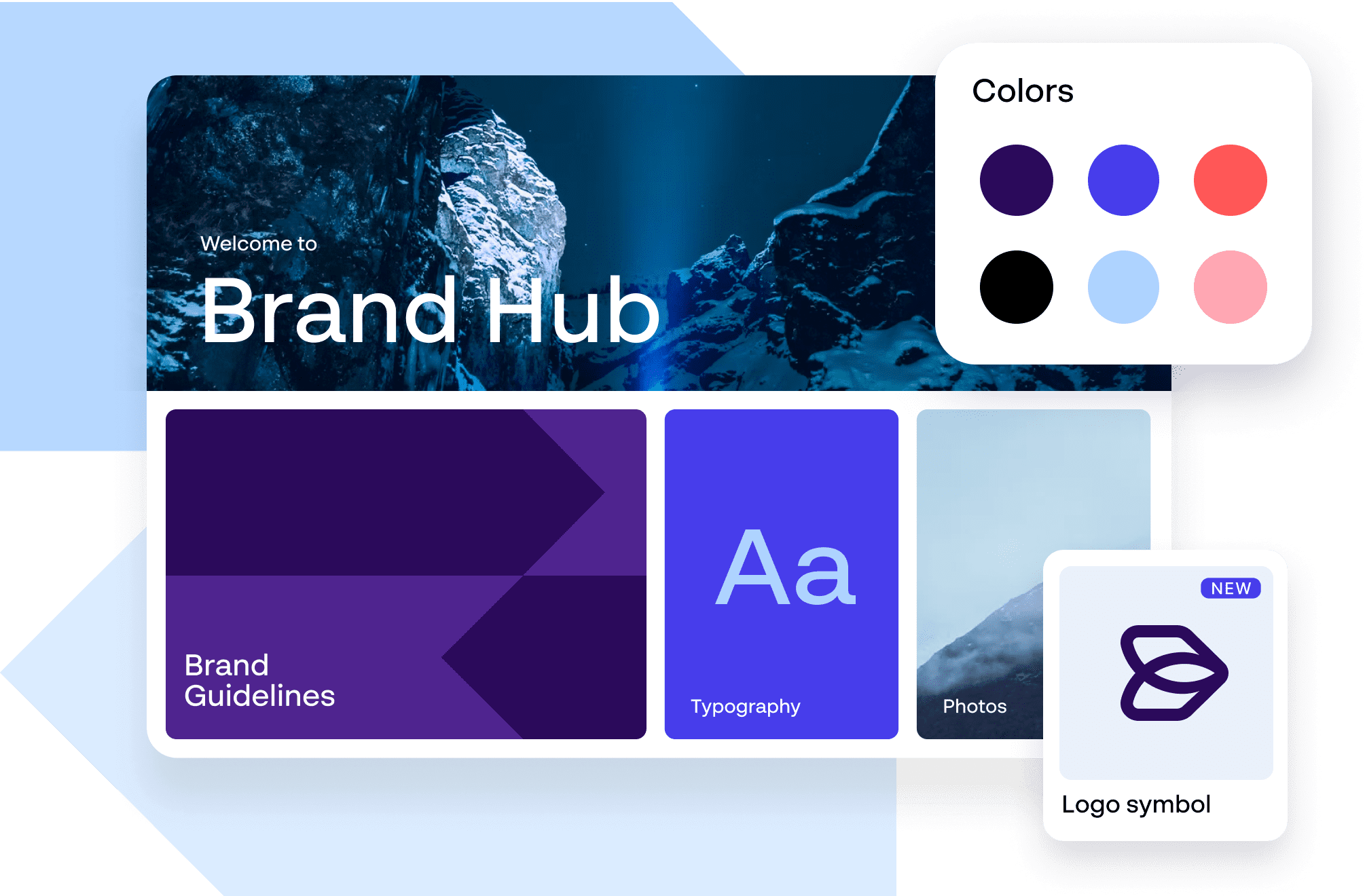
With a centralized Digital Asset Management system or brand portal, you can ensure every team uses the latest, approved brand elements. With a single source of truth, marketers can quickly access on-brand visuals from anywhere, supporting seamless collaboration across locations and time zones.
Modern DAM software automatically removes expired files, so teams are protected from using out-of-date assets. Meanwhile, archived versions remain securely stored for compliance and reference. Result: stronger brand governance and more peace of mind for your branding team.
4. Use reporting to measure progress
You can only improve what you understand. Reporting gives brand and marketing teams visibility into how assets are used, which items drive the most engagement, and where content gaps exist.
Papirfly’s data analytics tools reveal which visuals are downloaded, shared, or requested most often – and which remain untouched. This helps teams prioritize what to produce next, refine content strategies, and measure the real impact of brand activity across regions and channels.
Ready to simplify brand management?
With the right systems and workflows, FMCG brands can deliver consistent, high-quality content at scale and at pace – strengthening recognition and empowering every team to activate the brand with confidence.
If you’d like to explore how Papirfly can support your brand operations, we’re here to help.
Need help managing your brand?
Store, manage, and share on‑brand assets with ease.
Need help managing your brand?
Store, manage, and share on‑brand assets with ease.
Store, manage, and share on‑brand assets with ease.
FAQs
Why is brand consistency so important in the FMCG industry?
Because FMCG brands compete in crowded, fast-moving environments, every visual impression matters. Consistent branding reinforces recognition, builds trust, and ensures customers immediately understand who you are – no matter the channel or format.
How do templates help local teams stay on brand?
Templated Content Creation gives teams the freedom to adapt messaging while locking down the elements that define your identity. This removes the risk of off-brand creative choices and ensures that every asset aligns with the global brand strategy, from social posts to point-of-sale materials.
What happens if outdated assets are still in circulation?
Outdated logos or visuals create confusion, weaken brand equity, and can undermine rebranding efforts. A centralized Digital Asset Management approach ensures teams always access the latest approved files, with older versions automatically expired to maintain accuracy and compliance.
How can reporting improve brand performance?
Reporting shows how assets are used across regions and campaigns, revealing which materials drive engagement and which ones need improvement. With these insights, brand teams can make smarter decisions, optimize content workflows, and close existing gaps.
How does Papirfly support FMCG teams specifically?
Papirfly helps FMCG brands create, organize, and govern content at pace. With templated content, centralized asset access, and built-in analytics, teams can deliver high-quality, on-brand marketing every time – no matter how many markets or product lines they manage.