

This content has been automatically translated and may include minor variations.
You’ve built a strong brand identity with the potential to delight customers and stand out through clear differentiation. But can your teams execute it consistently – across every market, every social media platform, every time?
When customer expectations are met – or exceeded – brand equity grows stronger, and your positioning becomes more resilient in the market. But if marketing materials or social media posts go out misaligned or unapproved, the damage is subtle but compounding: lost trust, diluted brand values, and missed opportunities to reinforce your tone of voice and visual assets.
After all, healthy brands demonstrate:
- Consistent brand identity across regions
- Fast, compliant content creation with strong brand compliance
- Clear performance metrics to guide strategy and marketing campaigns
- Strong customer loyalty through repeated, relevant experiences
You don’t always see where you’re lacking in these areas until the numbers start slipping – engagement down, financial performance flat, and inconsistent delivery across touchpoints. It can often be difficult to pinpoint why this has happened.
From brand health gaps to stronger customer advocacy
Brand health reflects how well your brand delivers on its promises – not just what products or services are available, but how clearly your tone of voice, values, and brand messaging resonate with your audience. It’s about the emotional connection that encourages customer advocacy and repeat purchase behavior.
Excellent brand health trackers like Talkwalker, Brandwatch, and Qualtrics provide valuable insights into share of voice, customer perception, and brand image. These tools help brand managers monitor performance – but they are only the first step in fixing the issues.
A brand health tracker reveals key signals – positive or negative – like awareness, perception, and customer preference. But the most common wins and gaps point back to execution. Whatever the results, refining your strategy almost always comes down to how you define your branding, create content, and manage your brand communication. Your messaging could be perfect – but if execution is inconsistent, brand equity will suffer.
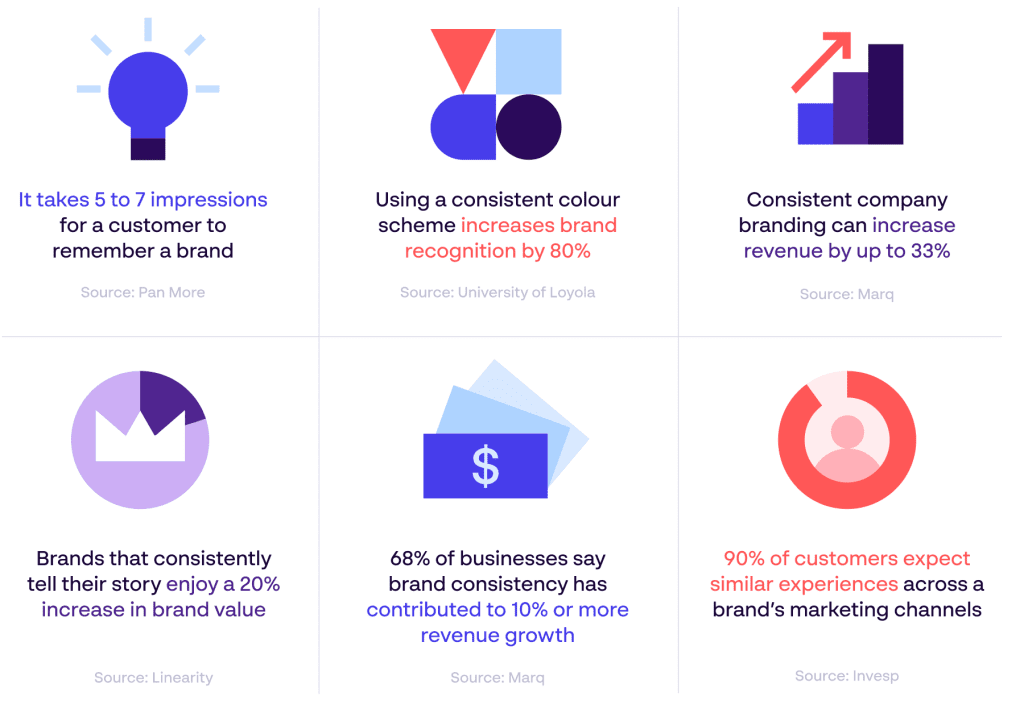
It’s not a visibility problem – it’s a governance problem
Seeing everything that happens across expanding markets, stakeholders, and touchpoints is an impossible task for any one team. And the issue isn’t visibility alone – it’s the lack of governance, structure, and branding tools that support consistent delivery.
True added value comes when marketing operations give every team the means to manage content in ways that uphold brand governance – ensuring every blog post, campaign asset, and social media presence builds trust with potential customers.
Fixing brand health with a better content creation strategy
If you’re concerned about brand health, chances are your current brand and marketing approach is already showing signs of strain:
- Are digital assets scattered across tools or saved locally?
- Do local teams create off-brand content due to slow – or no – approvals?
- Is your brand book (brand guidelines) clearly understood at every level?
- Can you track what’s being created, shared, and reused globally?
If any of these feel familiar, you’re not alone. The path to stronger brand perception and customer relationships starts with control, consistency, and clarity.
1. Consolidate your brand and content ecosystem
Provide branded portals that offer every team – from global HQ to small business units – instant access to the right branding assets:
- Visuals and messaging aligned with your brand book
- Easy navigation that reflects your branding strategy and user experience
- Controlled access by role, region, or team – or create new localized portals

2. Empower teams with Templated Content Creation
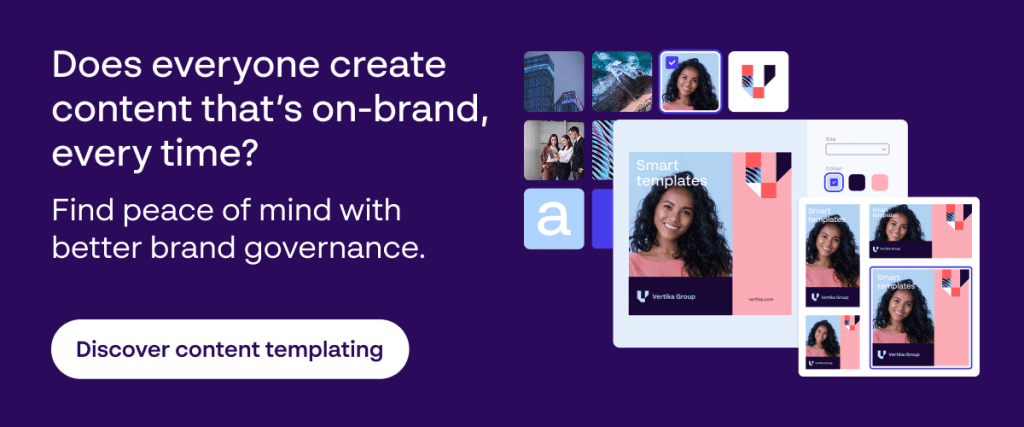
Enable templated content creation so visibility is no longer a barrier, and every team can produce brand-consistent content at speed:
- Let marketers create personalized content while protecting brand identity
- Use locked templates to preserve tone of voice and guard key brand elements
- Streamline approvals to go live faster and reduce campaign bottlenecks
3. Measure, adapt, and improve brand performance
Track content effectiveness across regions to see what works – and where you can improve. With the right data insights, your team can strengthen brand equity and improve share of voice:
- Use built-in analytics to surface underused digital assets and campaigns
- Identify formats and channels that resonate with your target market
- Build equity by focusing on what drives customer satisfaction and loyalty
Building brand awareness beyond the health check
Strong brand governance does more than reduce risk – it ensures your brand shows up with impact and consistency across all social media platforms and marketing channels. A healthy brand supports lasting customer relationships, deeper emotional connection, and the brand recognition needed to grow.
Understanding the signals is just the beginning. The next step is giving your teams the tools to act – clearly, consistently, and on-brand.
Explore how Papirfly ‘s modular suite of branding tools empowers your teams to define your branding, scale content creation, and protect every element of your brand—turning insights into real-world results.
FAQs
What is a brand health tracker?
A brand health tracker is a tool that measures how your brand performs across perception, awareness, and customer loyalty. It helps teams understand where the brand is thriving — and where alignment or governance issues may be affecting equity.
Why does brand health matter for brand equity?
Brand health directly influences brand equity. When customers consistently recognize, trust, and advocate for your brand, its equity grows — leading to stronger market positioning and long-term value.
How can a brand health tracker reveal brand consistency issues?
Metrics like share of voice, sentiment, and awareness highlight early signals of inconsistency. If engagement drops or perception varies across markets, it often points to fragmented asset management or off-brand content.
What’s the difference between visibility and governance in brand health?
Visibility shows what is happening; governance ensures it happens on-brand. Healthy brands combine both — giving every team visibility into approved assets and the structure to use them correctly.
How do Digital Asset Management systems improve brand health?
A DAM centralizes all brand assets, ensuring every image, video, or document aligns with your brand identity. This organization builds trust internally and consistency externally — essential for positive brand perception. Read more in our DAM guide.
How does Templated Content Creation support brand governance?
Templated Content Creation empowers teams to produce localized or personalized assets quickly — without compromising tone of voice or design integrity. Locked templates maintain brand control while improving efficiency. The difference in capabilities between consumer and enterprise design templates and their ability to keep teams on-brand directly affects brand governance.
What signals show declining brand health?
Falling engagement, inconsistent visuals, or a drop in customer sentiment often indicate misalignment in brand execution. These are early warning signs that governance and asset control may need reinforcement.
Can brand health tracking improve customer advocacy?
Yes — by connecting insights with consistent execution. When customers experience your brand consistently across every touchpoint, their trust grows, turning them into advocates who actively promote your brand.
How often should companies track brand health?
Quarterly tracking is ideal for most organizations. It allows you to spot emerging trends early and align brand, marketing, and content teams around proactive improvements.
How can Papirfly help improve brand health?
Papirfly enables marketing and brand teams to define, manage, and scale brand experiences. With Digital Asset Management and Templated Content Creation, every team can create on-brand content — strengthening brand equity through consistency, control, and clarity. Learn more in our content at scale guide.