

This content has been automatically translated and may include minor variations.
Rebranding is more than a new logo or tagline—it’s a strategic shift that ensures your brand remains relevant and aligned with business goals. For brand managers, a successful rebrand requires careful planning, stakeholder alignment, and a strong execution strategy.
In a recent webinar, branding experts Maarten Evertzen of VIM Group, Blake Howard of Matchstic, and Espen Harstad from Papirfly shared their insights on why rebrands fail and how organizations can set themselves up for success.
Define strategic drivers and measure success against business goals
Before embarking on a rebrand, establish the underlying business reasons. Are you repositioning to reach a new audience, aligning with a merger, or responding to market shifts? Clarity on your objectives will shape the scope and direction of the rebrand.
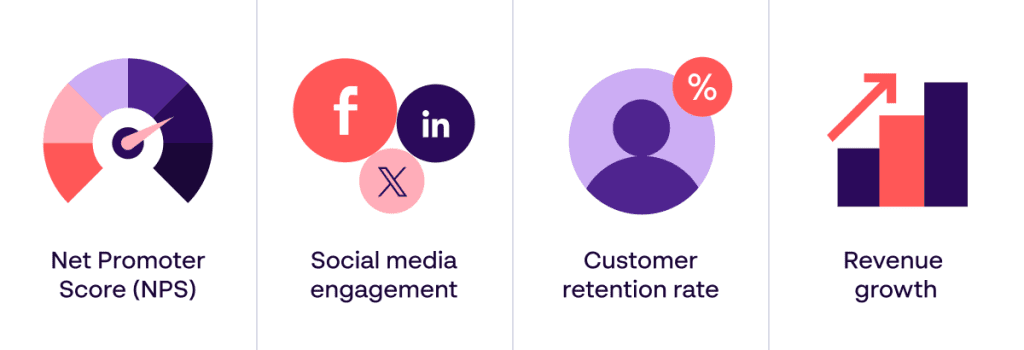
Once you have clarified these business reasons, success can be measured by tangible business impact—brand perception, market positioning, and revenue growth—not just visual appeal. Align KPIs with business objectives to track progress effectively.
Conduct in-depth research to inform decision-making
A data-driven approach ensures your rebrand is built on insights, not assumptions. Assess your current brand equity, audience perceptions, and competitive landscape. Avoid rebranding for the sake of change—every decision should serve a strategic purpose.
Plan for full implementation and allocate resources effectively
Rebrand execution extends far beyond design. Updating assets across all touchpoints—digital platforms, physical locations, internal materials—can cost 15-20 times more than the design phase alone. Budget accordingly to avoid hidden costs and disruptions.
For every dollar you spend in design, you would be paying between $15 to 20 in implementation. And that’s a figure people are not always aware of. You need to budget the actual change process itself, not just the design.
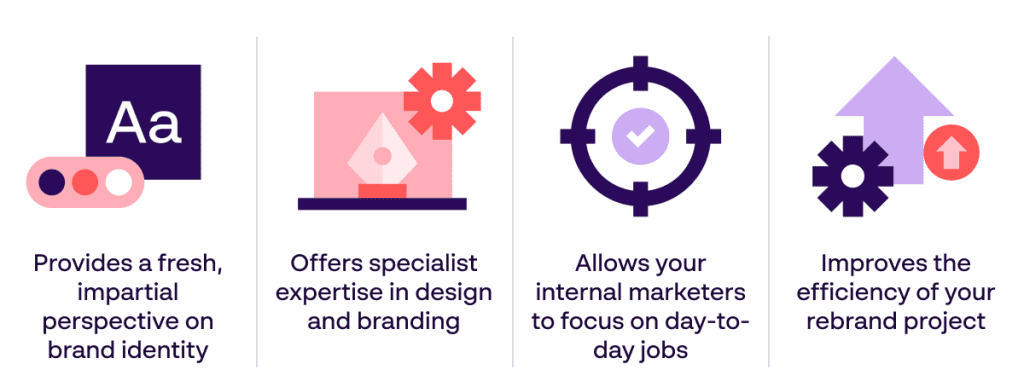
Choosing the right agency partner is equally critical. Seek a team with relevant industry experience and a collaborative approach that aligns with your internal culture. Look for agencies that provide strategic insight and creative guidance, not just execution. Ensure there’s good chemistry and a shared vision between your team and the agency.
Engage internal stakeholders early and drive cross-departmental alignment
Even if confidentiality is required, involving key internal teams from the outset ensures smoother implementation. Marketing, product development, HR, and operations all play a role in embedding the new brand.
Clear internal communication fosters buy-in and ensures employees can confidently represent the refreshed brand. Externally, customers and partners need to understand the rationale behind the rebrand to maintain trust and engagement.
Execute a phased rollout and manage timelines realistically
A phased approach reduces risk and allows for refinements along the way. Prioritize high-impact brand elements—website, social media, key marketing materials—before transitioning less visible assets.
Avoid the temptation to rush the process. A well-paced rebr and rollout ensures consistency and minimizes operational disruption.
Use the rebrand as a catalyst for operational improvements
Beyond aesthetics, rebranding presents an opportunity to streamline workflows, update brand governance, and improve asset management. Implement tools that enhance efficiency and enable teams to maintain brand consistency at scale.
During a rebrand, you can educate people not only on the brand, but also on how they can execute faster with more efficiency and more effectiveness in going to market with the new brand.
By following these strategic principles, brand managers can navigate the complexities of a rebrand with confidence—ensuring the new identity resonates both internally and externally while driving meaningful business impact.
Need a solution to help deliver your rebrand?
Learn how technology can facilitate your rebranding strategy implementation and also improve operational effectiveness. Discover now.
FAQs
What are the most common reasons rebrands fail at execution?
Rebrands fail most often due to weak internal alignment, lack of clear ownership, underestimating rollout complexity, and poor control over brand assets. Without structure and governance, even strong strategies break down in execution. Find our more from our full rebrand guide.
How can organizations ensure a rebrand delivers real business impact?
A rebrand delivers impact when it is tied to business KPIs, supported by clear processes, and executed consistently across all markets and channels. Success depends on how well teams can activate and sustain the new brand, not just launch it.
How do you manage rebrand implementation across multiple teams and regions?
Successful global rebrands rely on centralized access to approved assets, clear brand guidelines, and role-based permissions. This ensures local teams can move fast while staying aligned with the global brand strategy.
Why is brand asset management critical during a rebrand?
Rebrands often require updating hundreds or thousands of assets. Without a central Brand Asset Management system outdated or off-brand materials can easily resurface, undermining trust and consistency during and after rollout.
How can technology reduce the cost and risk of rebranding?
Technology helps automate asset distribution, enforce version control, and streamline approvals. This reduces manual effort, prevents costly errors, and accelerates time to market during large-scale rebrands.
What should teams look for in a rebranding technology solution?
Key requirements include centralized Digital Asset Management, brand portals for guidance and education, workflow and approval controls, and the ability to scale across brands, regions, and campaigns. For the full breakdown on what this solution can do, read our DAM guide.
How does Papirfly support rebrand execution at scale?
Papirfly helps organizations execute rebrands by combining Digital Asset Management software, Brand Portals, and Templated Content Creation. This enables teams to access the right assets, understand brand rules, and produce on-brand content efficiently throughout the rollout.
Can Papirfly help maintain consistency after the rebrand is live?
Yes. Papirfly supports long-term brand governance by ensuring new campaigns, localized content, and ongoing asset creation remain aligned with the refreshed identity well beyond launch.
How does Papirfly improve operational efficiency during a rebrand?
By centralizing assets and simplifying workflows, Papirfly reduces duplication, shortens approval cycles, and allows teams to execute campaigns faster without compromising brand control.
Is Papirfly suitable for complex, global rebranding projects?
Papirfly is designed for enterprise and multi-market organizations that need to manage complexity at scale, balancing local flexibility with global brand consistency during and after a rebrand.
Table of contents:
- Define strategic drivers and measure success against business goals
- Conduct in-depth research to inform decision-making
- Plan for full implementation and allocate resources effectively
- Engage internal stakeholders early and drive cross-departmental alignment
- Execute a phased rollout and manage timelines realistically
- Use the rebrand as a catalyst for operational improvements
- FAQs