

This content has been automatically translated and may include minor variations.
We spend more than a third of our lives at work, so it’s no surprise that people are becoming increasingly selective about where they choose to build their careers. When they evaluate opportunities, they’re looking beyond the role itself to consider everything from purpose and values to employee benefits, from company reputation to work-life balance.
To help you understand what truly defines an employer of choice, we’ve brought together the most common factors candidates consider when deciding where they want to belong.
1. Offer competitive salary, compensation and benefits
While pay isn’t the only factor influencing a decision, it remains the starting point for most candidates – and rightly so. If the salary doesn’t meet or exceed industry standards or align with personal expectations, many candidates will naturally opt out before exploring anything further.
To attract top talent, you have to stay competitive while also ensuring your offer is realistic and sustainable. If you can’t match a candidate’s immediate salary expectations, a clear path to progression along with a pay review after a set number of months may be enough to entice them onboard.
Beyond salary, candidates look closely at your wider financial incentives. These could include:
- Structured bonus schemes
- Retail discounts
- Shadow share programs
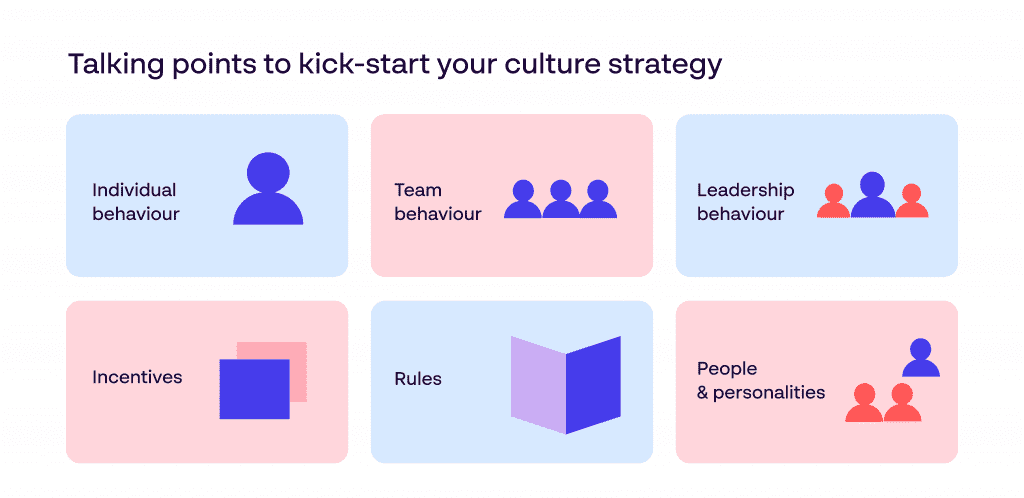
2. Create a strong company culture and working environment
Company culture is not something that can be manufactured quickly. It grows out of behaviours, values, and shared experiences that become ingrained over time.
Cultural norms have always differed across industries. A creative branding agency, for example, is more likely to offer flexible working hours, encourage relaxed collaboration, and run regular social activities – establishing an informal, dynamic atmosphere. A financial firm, on the other hand, may prioritize structure, maintain fixed working hours, hold formal processes for raising concerns, and reserve social occasions for key points in the year.
What’s changing universally, however, is candidate expectations. High-pressure, rigid, and overly formal environments are increasingly associated with burnout — and are becoming a red flag for prospective candidates.
Finding the right cultural balance goes far beyond “being relaxed” or “being structured.” Talented employees want the freedom to work with autonomy and agility, but they also want direction, clarity and support. The attractive surface-level elements bring people through the door – but it is the path to growth, development and progression that convinces them to stay.
3. Strengthen and maintain your employer reputation
No matter how impressive your benefits package may be, very few candidates will consider joining a company with a consistently poor reputation. Impressions are often based on word of mouth. But you can’t always trust what you hear second-hand, so many candidates are increasingly turning to online review platforms to find out what employees really think.
Sites like Glassdoor and Indeed give candidates insights into company culture, leadership, growth opportunities and workplace experience. Not every review will be fair, and not every negative comment reflects wider reality, but the way an organization responds to this feedback speaks volumes.
Here’s how to turn negative feedback into a positive for your employer reputation:
- Respond calmly and constructively while keeping a cool head
- Ensure points raised on bad reviews are recorded and discussed
- Investigate any recurring themes and take action where needed
- Only report reviews if they breach site guidelines – people are allowed to have negative opinions
4. Invest in building your employer brand
Having a strong employer brand is a critical step on the road to becoming an employer of choice. While some companies work on employer branding intermittently, others invest teams, resources, and structured strategies to elevate their standing in the talent market. Through clear, authentic, and consistently activated employer branding, these are the organizations that succeed at attracting and retaining the best people around.
It starts with having well-defined global presence – but that alone is not enough. To reach the right audiences and engage the right talent, you also need the ability to create localized campaigns, tailored to each market’s specific expectations and needs.
5. Create a positive candidate experience
Although it forms part of your broader employer brand strategy, the candidate experience deserves special attention. First impressions shape perceptions immediately – and during recruitment and onboarding, candidates will decide whether your organization reflects the values you claim to uphold.
Here’s how you can create an exceptional candidate experience:
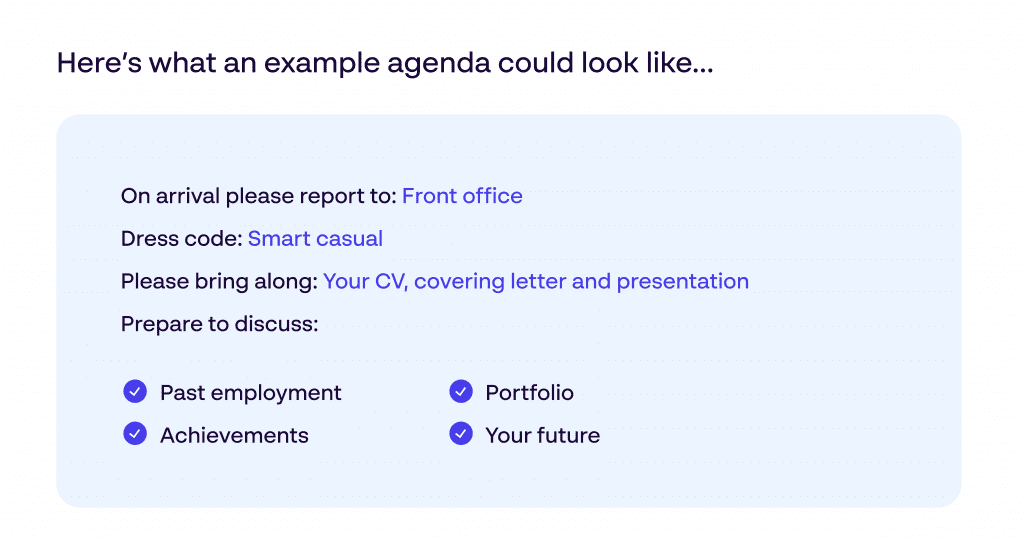
Communication leading up to the interview
Provide clear information about what to expect. While interviews should test a candidate’s ability to think on their feet, deliberately withholding details can create unnecessary anxiety and make the process feel disorganized. Transparency builds confidence from the outset.
Perfecting the interview
If the interview is held onsite, ensure the environment reflects your company culture. Offer a drink, introduce all interviewers, and if there’s a delay, provide a comfortable waiting area.
After the interview, follow up promptly – even if the candidate was not successful. Silence often leads a sour taste and can push people to share negative experiences publicly.
First day and welcome pack
Nothing undermines the excitement of a new job quite like being left alone with no direction. If the team is too busy for a full induction, assign a buddy to guide your new hire, answer questions and make them feel welcomed.
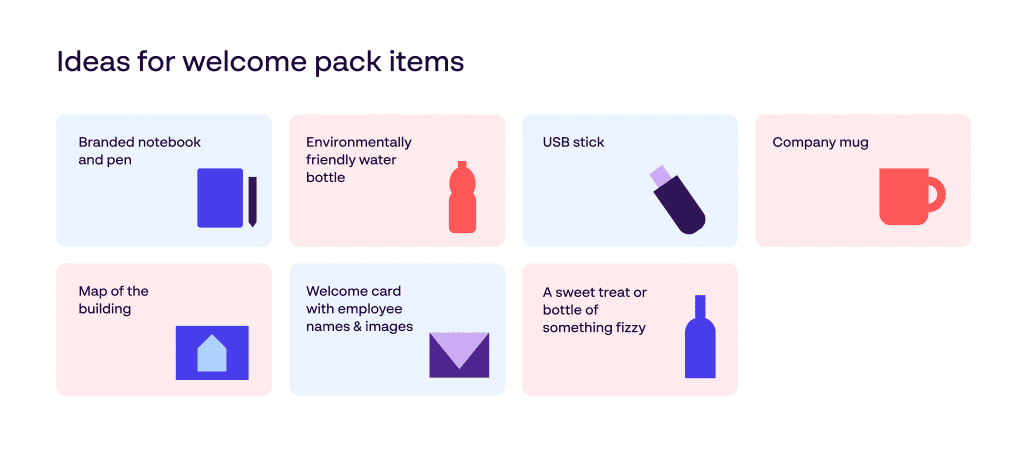
Many organizations with strong employer brands offer new hires branded welcome packs. It’s a simple way to foster employee advocacy and make new recruits feel part of something bigger from day one.
6. Provide high-quality learning and development
One-to-ones and development plans vary across organizations, but the principle remains the same: employees need clarity on how they can grow. Without guidance or progression, people quickly become disengaged or unsettled.
Offering development tools within your benefits package can help. This might include a book library, annual training budgets, access to online courses, or mentorship programs – all of which support talent retention and help employees feel valued.
Becoming an employer of choice in your industry
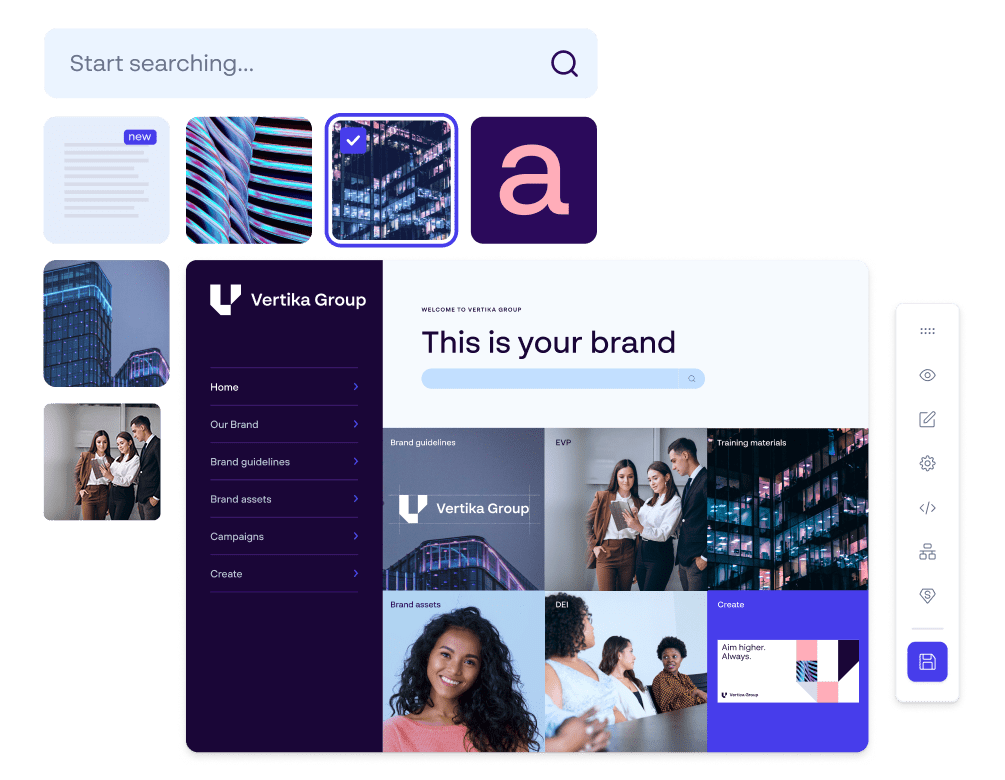
No organization becomes an employer of choice overnight – but there are both immediate and long-term strategies that make a meaningful impact. Investing in employer branding solutions like Papirfly places you in a strong position to deliver consistent, compelling experiences at scale.
With Papirfly, teams can:
- Produce on-brand, high-quality marketing assets in minutes – without design expertise
- Access a dedicated education area housing all employer brand guidelines, documents, and assets
- Plan, manage, and activate campaigns across regions within one unified workspace
- Store, organize, and distribute assets through an enterprise-grade DAM, with tailored access for markets, teams, and sub-brands
When every employee, in every location, can share your story confidently and consistently, you accelerate your journey to becoming an employer of choice – and you build a workplace people truly want to be part of.
Become an employer of choice
Harness the power of your employer brand.
Become an employer of choice
Harness the power of your employer brand.
Harness the power of your employer brand.
FAQs
What does it mean to be an employer of choice?
An employer of choice is an organization people actively want to join and stay with because it offers competitive compensation, a strong company culture, a respected reputation, and clear development opportunities.
How important are salary and benefits for talent attraction?
Salary is often the first filter candidates use. If it does not meet industry expectations, they may not consider the role further. Beyond pay, structured benefits, bonuses, and broader financial incentives play a major part in building long-term appeal.
How does company culture influence whether people want to join or stay?
Company culture shapes the day-to-day experience. Employees want clarity, autonomy, and support – not rigid processes or high-pressure environments. A healthy culture fosters employee engagement, progression, and a sense of belonging.
Why should we invest in employer branding?
Employer branding helps you stand out in a crowded talent market. Clear, authentic messaging and brand consistency across channels show candidates what it feels like to work for you, helping you attract and retain people who align with your values.
What makes a positive candidate experience?
Transparency, responsiveness, and a thoughtful onboarding experience are essential. Candidates want clarity before interviews, timely follow-ups, and a structured introduction on day one. A smooth experience reinforces your credibility and sets the tone for their future with you.
Table of contents:
- 1. Offer competitive salary, compensation and benefits
- 2. Create a strong company culture and working environment
- 3. Strengthen and maintain your employer reputation
- 4. Invest in building your employer brand
- 5. Create a positive candidate experience
- 6. Provide high-quality learning and development
- Becoming an employer of choice in your industry
- FAQs