

This content has been automatically translated and may include minor variations.
Effective internal communications is about more than just information sharing – it’s the foundation of a strong culture and unified brand.
When teams understand the company’s direction and feel part of its story, engagement rises, collaboration strengthens, and the brand thrives. But when communication breaks down, so does connection. Deadlines slip, morale falls, and culture becomes fragmented.
In this internal communications guide, we look at how to develop an effective strategy, including the core types, proven best practices, and the role it plays in reinforcing your brand identity. Need support with external as well as internal comms? Read our Digital Asset Management guide.
What is internal communications?
Internal communications is how people within your organization share information, ideas, and goals. It’s the bridge between leadership and employees and the channel through which strategy becomes shared understanding.
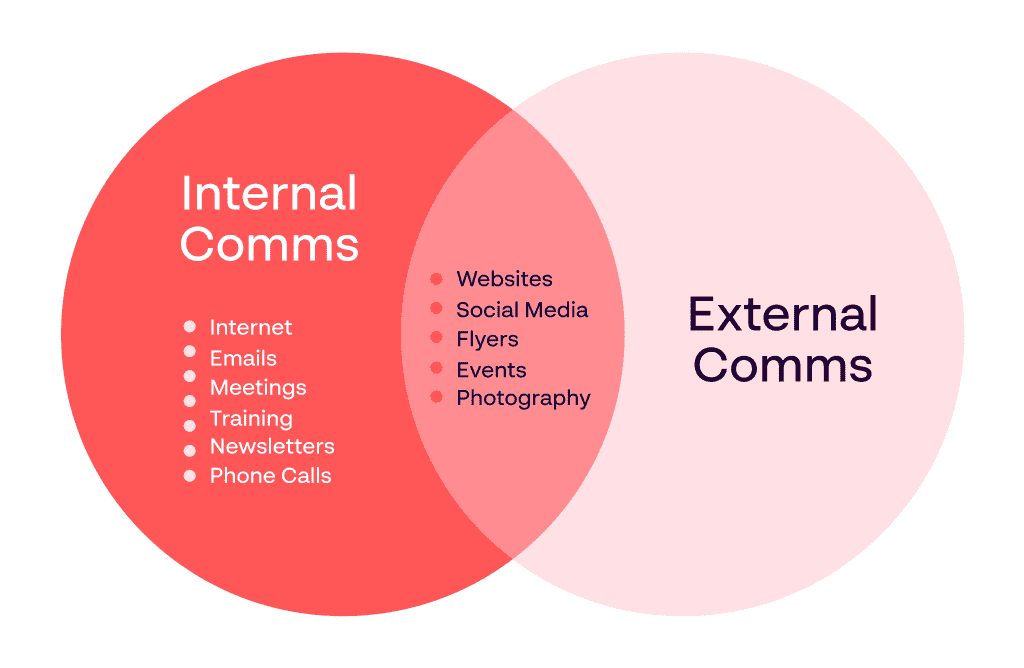
Unlike external communication, which shapes how the world sees your brand, internal communication shapes how your people live it. Its purpose is simple: to build a connected culture grounded in your company’s mission, values, and ambitions.
When employees don’t know where the business is heading or how their work contributes, they disengage. Clear, consistent communication and internal brand asset management ensures everyone feels informed, valued, and part of something bigger.
7 main types of internal communication
Strong internal communication is multi-layered. It combines different approaches that serve distinct but connected purposes:
- Top-down communication – Leadership updates that align teams with business goals and values.
- Change communication – Clear messaging around organizational updates, from new policies to structural shifts.
- Information sharing – Equipping teams with the tools, training, and context they need to succeed.
- Crisis communication – Fast, transparent updates that maintain trust during disruption.
- Two-way communication – Encouraging ideas and feedback to shape company culture collaboratively.
- Peer-to-peer communication – Enabling teams across locations to collaborate and share expertise.
- Culture communication – Recognizing achievements, celebrating success, and building a shared identity.
4 key benefits of internal communications
When done right, internal communications strengthen every part of the business, from productivity to employee experience. Here are four key benefits of effective internal communications:
1. Keep people informed and engaged
Open communication replaces rumor with trust, building loyalty and aligning teams around a shared vision.
2. Drive motivation and productivity
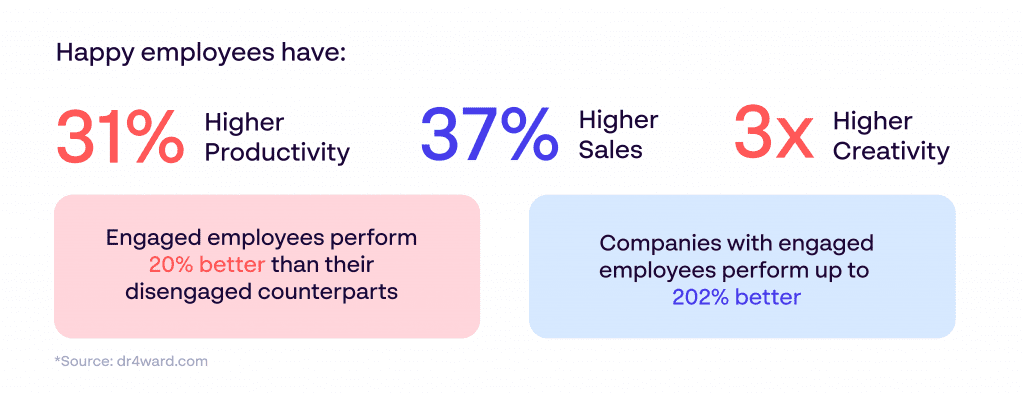
Engaged employees are 20–25% more productive (Source: McKinsey Global Institute). Celebrating success and progress keeps morale high and people inspired.
3. Invite collaboration
Two-way channels empower teams to share feedback, solve problems, and feel heard.
4. Protect brand consistency
With clear brand guidelines, you can ensure every internal message reflects and strengthens your brand values. Worried about privacy and consent requirements? Learn more about Papirfly’s built-in DAM GDPR compliance.
Best practices for building your internal communications plan
A strong strategy doesn’t happen by accident. It’s built on intention, consistency, and understanding what your teams need most.
1. Assess your current communication tools
Identify what’s working – and what’s not. Which channels resonate? Where are messages being lost? This insight helps streamline your approach.
2. Involve your leadership team
Executives set the tone. Their active participation ensures communications reflect company priorities and values.
3. Know your audience
Your employees are your internal customers. Understand their preferences, motivations, and challenges. Tailor communication styles and channels accordingly.
4. Set clear objectives
Define what success looks like—whether that’s stronger engagement, improved consistency, or faster feedback loops. Keep goals measurable and aligned with broader business outcomes.
5. Establish your tone of voice
Your internal voice should reflect your culture—clear, human, and encouraging. It’s not corporate jargon; it’s communication people want to read.
6. Choose the right channels
Go beyond email. Use intranets, video updates, social collaboration tools, or workplace displays to meet people where they are—especially in hybrid or global teams.
7. Align internal and external communications
The story you tell your people should match the one you tell your customers. When both align, authenticity grows and your brand becomes stronger from the inside out. The best Digital Asset Management platforms help you create a single source of truth, delivering brand assets (both internal and external) to the right people at the right time.
Internal communications guide to measuring success
Measuring the success of your internal communications comes down to one thing – real engagement.
Start by tracking open and click-through rates across digital channels to understand what resonates. Regular employee surveys can reveal honest feedback, while monitoring participation in events and initiatives shows where your messages are inspiring action. Reviewing turnover and engagement trends helps you spot shifts in culture before they impact morale.
Together, these insights create a clear picture of how effectively your teams are connecting – and how you can refine your tone, timing, and channels to communicate with greater impact.
The future of internal communications
The world of work is evolving – and so is how teams connect. Here are some of the key trends that will shape internal communications in the future:
- Board-level buy-in – executive teams are becoming increasingly focused on internal comms and its ability to create a collective identity.
- Joined-up messaging – The gap between internal and external storytelling continues to narrow, as organizations look to combine the powers of their teams and their brand.
- Visual storytelling – Video and rich media drive far higher engagement than text alone and will play an increasingly prominent role in internal communications.
- Mobile-first communication – With millennials and Gen Zers making up the majority of tomorrow’s workforces, teams will expect updates wherever they are, in real time.
- Personalization at scale – Modern employees only engage with information that feels tailored to them, so relevance is key.
Bringing it all together
Internal communications are not just a business function – they’re the heartbeat of your brand culture. They connect people to purpose, ensure consistency across borders, and turn information into inspiration.
For global organizations, this connection is crucial. When every employee understands and embodies your brand, you achieve true global brand alignment.
Discover how Papirfly can help you strengthen internal communication through Digital Asset Management software, brand portal software, and templated content creation tools.
Control your brand inside out
Give users access through bespoke brand portals.
Control your brand inside out
Give users access through bespoke brand portals.
Give users access through bespoke brand portals.

FAQs
What is internal communications and why is it important?
Internal communications is how information, ideas, goals, and approved digital assets are shared across an organization. It connects leadership and employees, ensuring everyone understands the company’s mission and direction. When communication is consistent and clear, engagement rises, productivity improves, and culture becomes stronger.
How do internal communications guide and support brand consistency?
Every message your teams see internally influences how they represent your brand externally. Consistent internal communication – anchored by brand guidelines and centralized brand assets – ensures your people understand your brand values and apply them in every interaction. This alignment drives stronger brand adoption, brand identity and trust.
What are the main types of internal communication?
There are seven key types: top-down, change, information, crisis, two-way, peer-to-peer, and culture communication. Together, they create a well-rounded framework that keeps employees informed, engaged, and connected to one another – especially across global teams.
What are the biggest benefits of a strong internal communications strategy?
An effective internal communications plan keeps people informed, motivated, and aligned. It improves collaboration and increases productivity while supporting messaging consistency, reducing misinformation, and strengthening brand governance. Ultimately, it helps create a workplace culture where everyone feels valued and part of something meaningful.
How can organizations measure internal communications success?
Success is measured by engagement, not just activity. Track open and click-through rates, run employee surveys, and monitor event participation and retention trends. These insights reveal what resonates, where engagement is strongest, and how communication can be improved to have a greater impact.
What does the future of internal communications look like?
Internal communications are becoming more visual, mobile-first, and personalized. As organizations embrace real-time updates, video storytelling, and tailored messaging, employees will expect faster, more relevant, and more human ways to connect. Executive involvement will also grow, making internal comms a central part of brand strategy.
Table of contents: