

This content has been automatically translated and may include minor variations.
Brand consistency is the ambition of every global brand manager – a dependable, recognizable identity that resonates with audiences across every market and every touchpoint. Yet achieving it is easier said than done. With more channels, more regions, and more teams involved in creating content at scale, even small inconsistencies can erode trust and dilute your brand’s impact.
Brand guidelines are your strongest line of defense. They define your vision, tone, style, and principles. They guide the people responsible for shaping your brand every day. But guidelines only work when they are clear, accessible, and embraced across the business.
At Papirfly, we’ve spent decades helping global organizations protect their brand identity. This guide brings together our experience to help you build brand guidelines that are not just informative – but unbreakable.
What are brand guidelines?
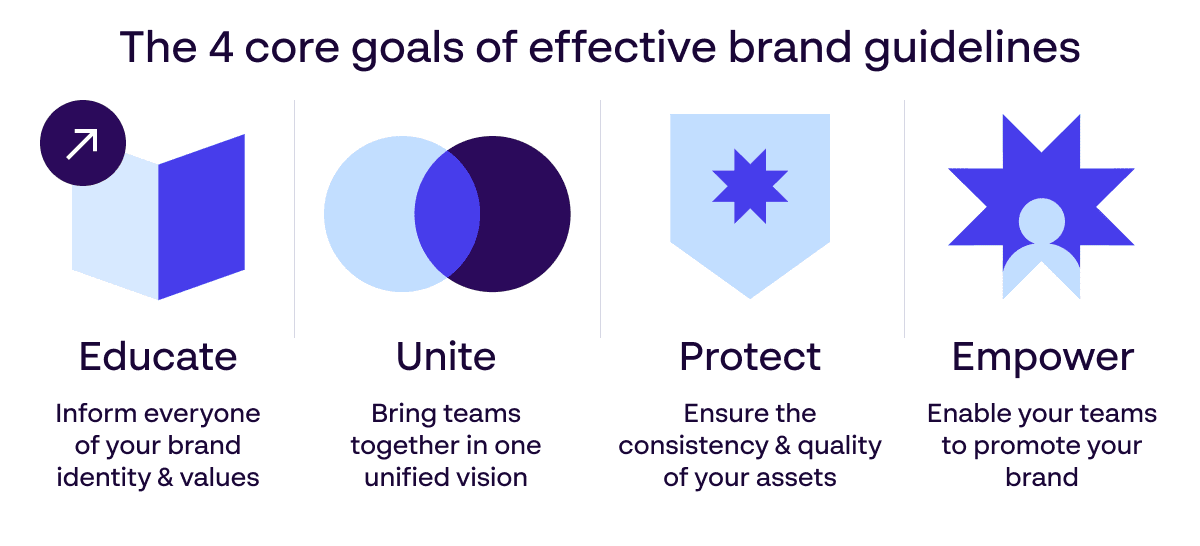
Brand guidelines are the foundation of your brand identity. They capture the essence of who you are, what you stand for, and how your brand shows up in the world. And whether you call them a brand style guide, brand manual, or brand kit, the purpose remains the same: to ensure your brand is applied consistently and correctly.
Strong brand guidelines:
- Strengthen quality control by defining exactly how the brand should appear and sound
- Increase understanding across marketers, designers, and wider teams
- Build better brand recognition by guaranteeing a consistent, coherent visual identity across all collateral
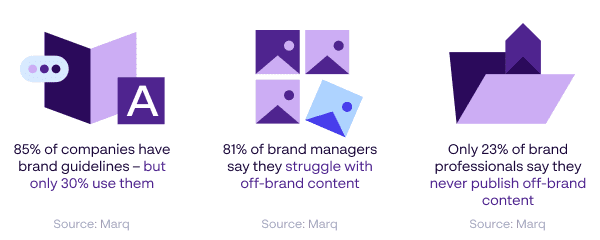
However, most organizations fall short in practice. Although over 85 percent say they have brand guidelines, only 30 percent enforce them effectively [Source: Marq]. Lack of awareness, poor communication and limited accessibility often get in the way, allowing inconsistencies in visuals, tone of voice, and messaging to slip through. And when brand guidelines are ignored, brand performance suffers.enabling inconsistencies in visual elements, tone of voice and other critical areas.
Why brand consistency matters
Imagine a coworker who is always smartly dressed. Tailored suit, tucked-in shirt, polished shoes – everything neatly aligned. One day they come to work with messy hair, stains on their shirt and worn shoes. You would probably be confused and want to know if something was wrong.
The same logic applies to your brand and your customers. Your identity is the personality customers recognize. When your visuals, tone, or narrative shift from one channel to the next, trust breaks down.
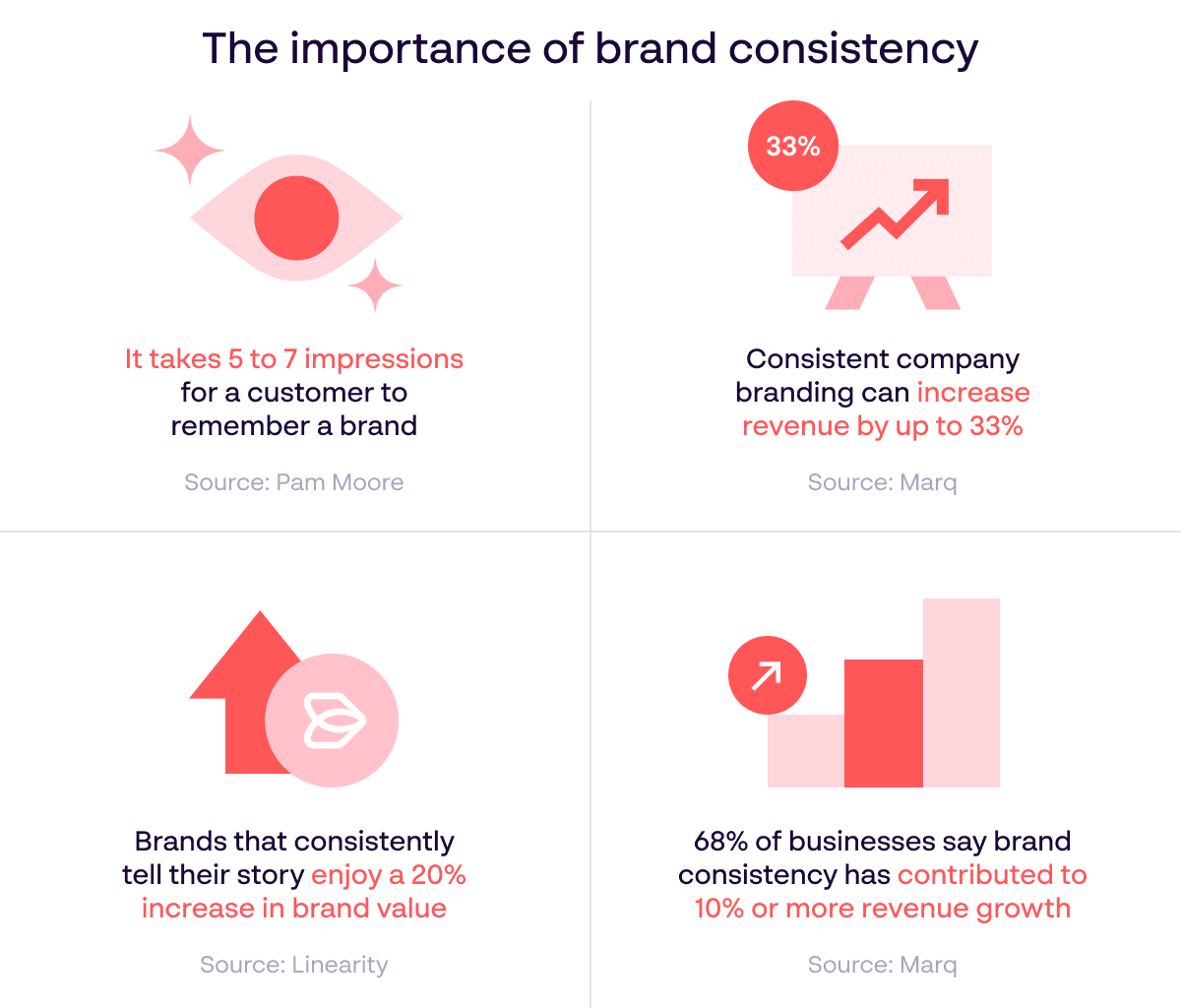
This is why consistency positively impacts content ROI, and why consistent brands achieve up to 33 percent higher revenue compared to inconsistent ones [Source: Marq]. Maintaining brand consistency across platforms helps you build confidence. Confidence fuels loyalty. And your brand guidelines are the lynchpin that makes it all possible.
4 steps to fix your identity before creating your brand guidelines
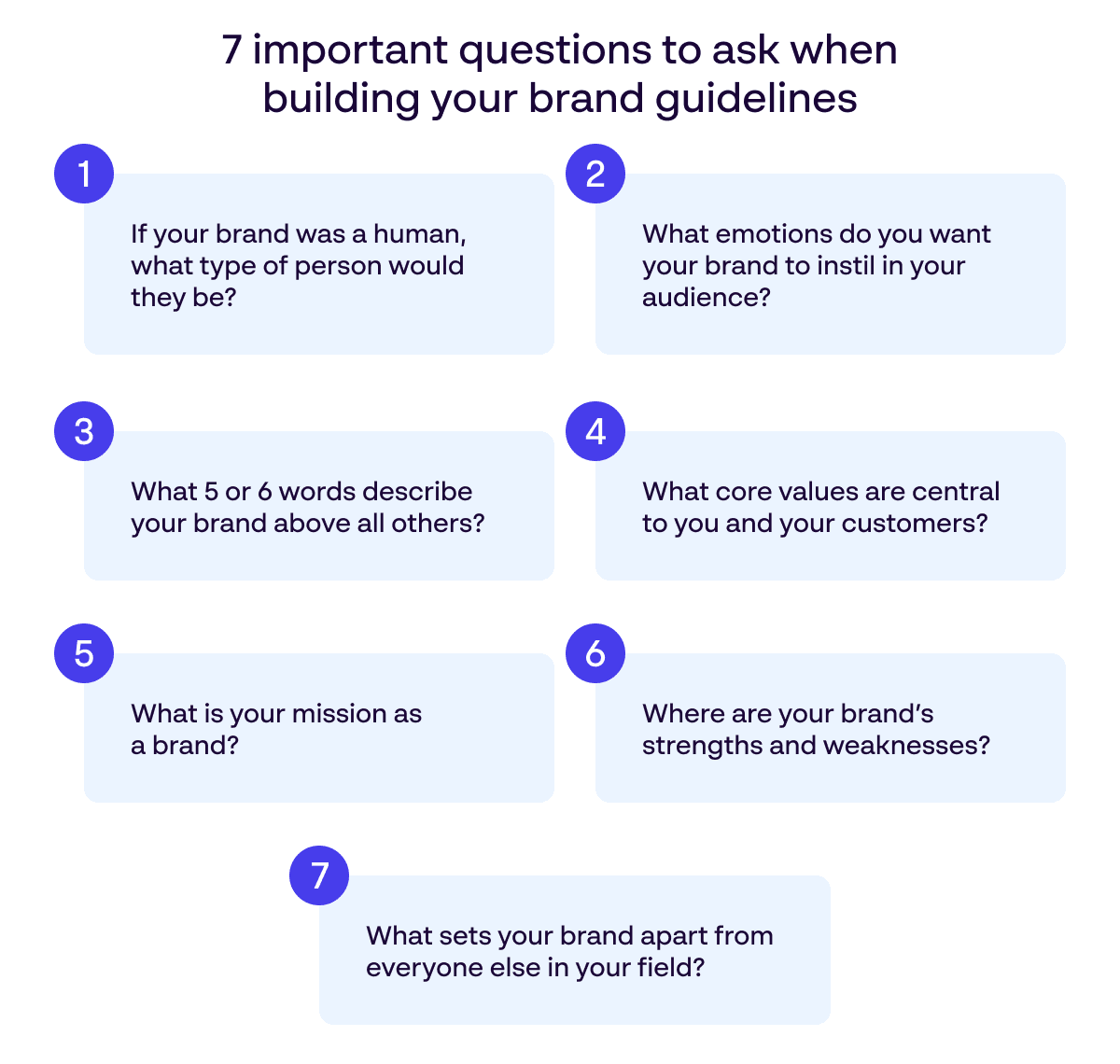
Before writing any guidelines, you must define the identity you want them to protect. This gives you the foundation for an authentic, future-proofed brand, whether you’re refreshing a legacy brand or building a new one.
Here are four key steps to help you get started:
1. Conduct a brand audit
Begin by examining your current brand elements, communications and collateral in a comprehensive brand audit. Is there consistent branding across all touchpoints? Where are you aligned? Where do inconsistencies appear?
Objectivity is essential. Be honest about whether you have consistent messaging that properly represents your brand – and canvass stakeholders, customers, employees, and others to build a broad picture of current brand perception.
Your analysis will establish the strengths and weaknesses of your current branding, and what your brand guidelines must include to present your brand correctly.
2. Understand your audience
Guidelines should reflect not only who you are but who you serve. Build detailed personas to ensure your brand connects with customers, employees, and the wider world.
Key areas to look at when building personas include:
- Demographics and characteristics
- Habits and tastes
- Concerns and pain points
- Hobbies and interests
- Values the care most about
- Where they look for information
3. Examine your competitors
Competitor analysis is vital when forming your brand identity. Not only does it help you identify how you can stand out from the crowd – looking at the colors, messaging, mission statements, and social media platforms of other organizations can also inspire ideas for your own branding.
4. Determine your visual identity
Once your strategic foundation is clear, shape the visual system that will bring your identity to life. This includes your logo, typography, color palette, and supporting elements. Many organizations partner with external agencies at this stage, using the outputs to build scalable, on-brand design templates later.
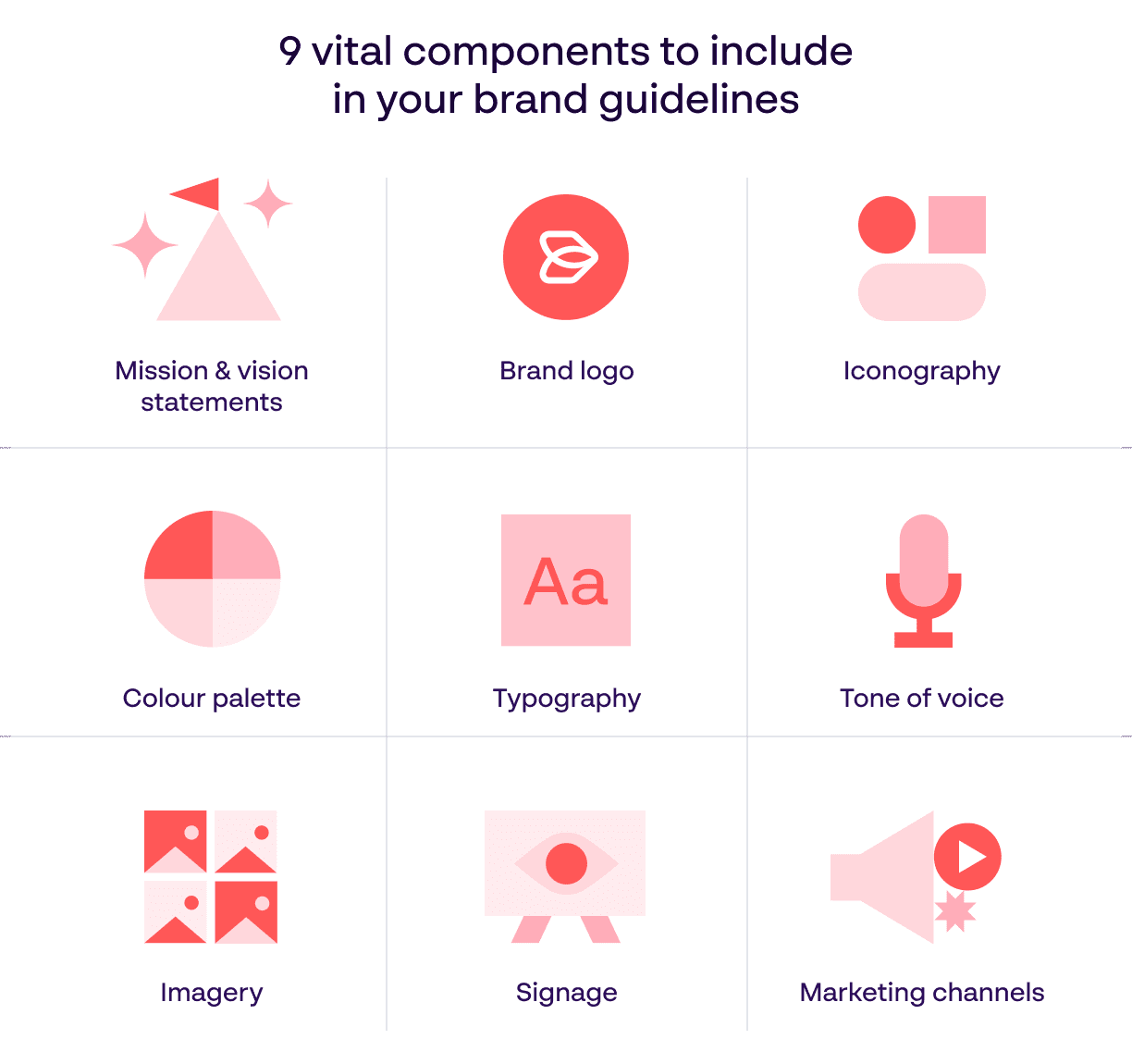
9 vital components to include in your brand guidelines
The more clarity you provide, the less room there is for misinterpretation. So your brand guidelines need to be comprehensive yet also easy to navigate. This means choosing your core elements carefully – because every element needs to add up to a cohesive brand experience.
We’ve identified nine of the most fundamental components for brand guidelines. Let’s look at each of them in turn.
Brand vision and mission statements
Your brand vision and mission define why your organization exists and how you aim to create impact. They are the principles that guide every decision, shaping how customers, employees, and partners understand who you are and what you stand for.
Because these statements set the tone for all brand activity, they should appear at the very front of your brand guidelines. This ensures every user – from new joiners to external partners – has immediate clarity on the purpose, direction, and values your brand is built on.
Brand logo
Your logo is the most recognizable expression of your brand identity. Like the world’s most iconic marks – think the Nike swoosh or McDonald’s Golden Arches – it plays a critical role in building recognition, trust, and long-term brand equity.
That’s why clear, precise guidance on logo usage is essential. It ensures your most visible brand asset is applied consistently across every channel, format, and market.

In your guidelines, you should explain the rationale behind the logo and set parameters for how it should be used across all brand assets. This should include:
- Different sizes and layouts of your main logo
- The white space required around your logo
- Approved color variations beyond your main logo
- Reversed and mono versions of your logo
- Responsive logos for smaller screens (mobiles, tablets, etc.)
Iconography
Icons play a powerful role in your brand system. They communicate meaning quickly and clearly, cutting across languages and cultures in ways written text cannot. To maintain consistency, your brand guidelines should define exactly how icons are used — including size, style, spacing, and the scenarios in which each icon is appropriate.
If your brand uses outlined, solid, or filled styles, establish this preference clearly. Consistent iconography strengthens recognition and ensures every visual element aligns with your wider identity.
Color palette
Color is one of the strongest drivers of brand recognition. A well-defined color palette helps your teams create content that is unmistakably yours, whether it appears in print, on screen, or across global campaigns.
Most brands adopt a structured palette with clear roles, such as:
- A lighter shade for backgrounds
- A darker tone for text
- A neutral supporting color
- A standout accent to create visual impact
Here’s a good example from Dutch brewing company Heineken:
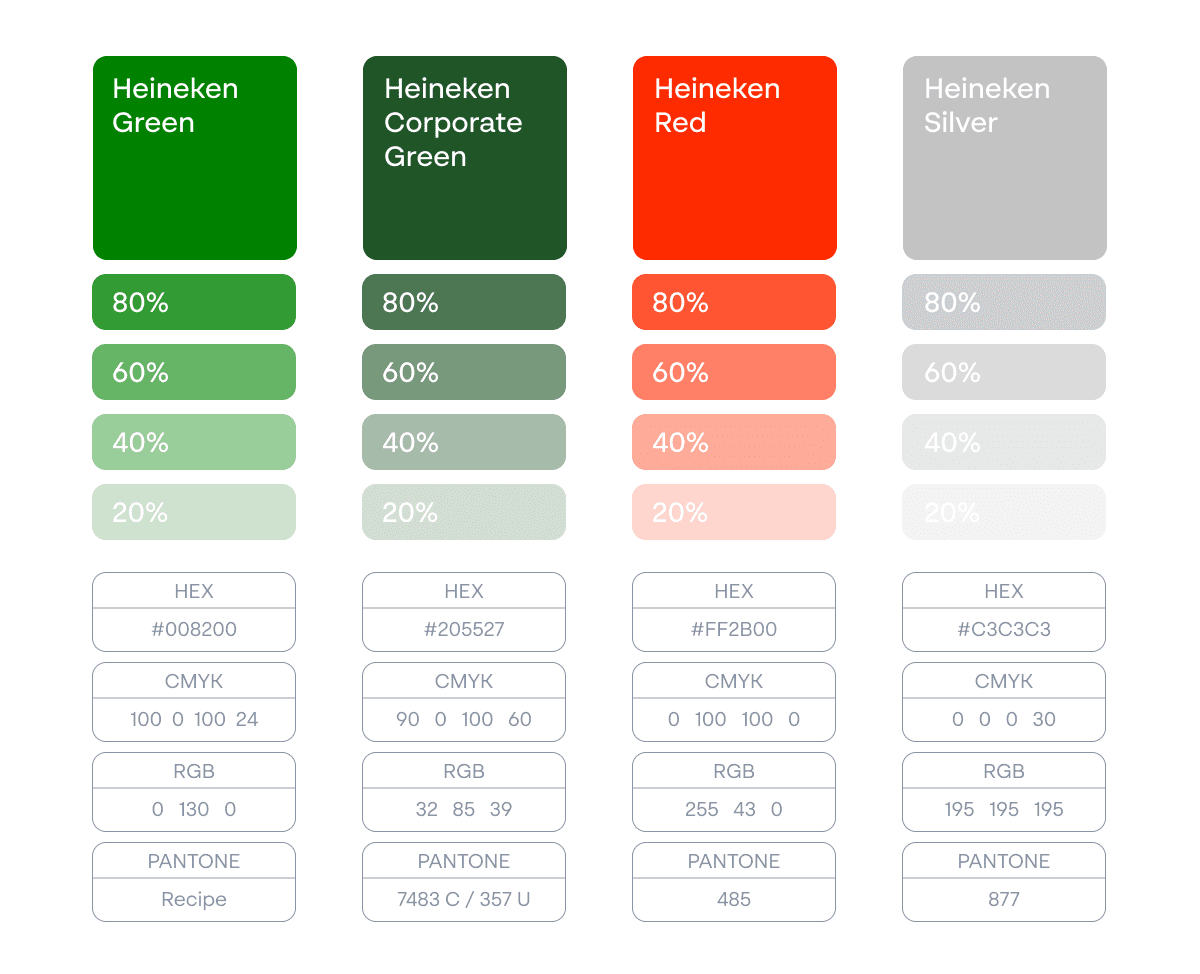
When presenting your color palette in your brand guidelines, make sure you do so with absolutely clarity. Define both primary and secondary palettes and specify how each should be used. You should also include accurate color codes for every format – Pantone, CMYK, RGB, and HEX – so teams across regions and channels can apply the palette with confidence.
Typography
Typography shapes how your brand is experienced across every piece of communication. It includes the full range of font styles used in your print and digital content, whether that’s a single type family or a carefully selected combination of complementary styles.
Consistency is essential. Too many unrelated fonts can fragment your identity and dilute recognition. A strong rule of thumb is to reserve a distinct type style for your logo, while using a unified type system across headings, body copy, and supporting text. This creates contrast where you need it and cohesion everywhere else.
Your brand guidelines should clearly outline:
- Which fonts are used for headings, subheadings, body copy, and bullet points
- Alignment preferences
- Line spacing, letter spacing, and paragraph spacing
These details ensure every piece of content feels unmistakably on brand, no matter who creates it.
Tone of voice
Your tone of voice defines the personality behind your words and the impression they leave with your target audiences. It influences how people understand your intentions, values, and character across every touchpoint.
Because tone is open to interpretation, clarity is critical. To reduce inconsistencies, include:
- A tone table that outlines characteristics, when to use them, and how they support your brand personality
- Best practice examples showing what “on-brand” and “off-brand” writing looks like
- Examples of commonly used greetings, sign-offs, CTAs etc.
- A set of three to five adjectives that anchor your tone to your core values
- A tone of voice scale like the one below
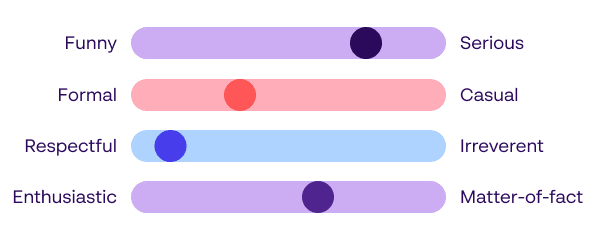
When teams understand not only what to say but how to say it, your brand becomes more coherent, more human, and more memorable.
Imagery
Imagery plays a defining role in how audiences experience your brand. Your guidelines should make it clear which types of photography, illustrations, and visual styles align with your identity – and which do not. This ensures every creator, regardless of location or experience, can confidently produce visuals that strengthen recognition and trust.
There are several effective ways to illustrate this:
- Best practice examples – Showcase high-performing images from your own library. These real-life examples help designers understand what works across your channels.
- Aspirational references – If your internal library is still evolving, use external inspiration to demonstrate the visual tone, style, and emotion you want your brand to convey.
- Mood boards – Curate images, themes, and textures that capture the feeling behind your brand. Mood boards provide a clear, intuitive starting point for any creator.
Signage
Whether physical or digital, your signage is one of the most visible expressions of your brand. To ensure a seamless experience across every location and channel, your guidelines should clearly outline specifications for all signage types.
This includes dimensions, materials, finishes, and formats. Consider detailing whether signage should be flat, illuminated, animated, or static, and define how your logo, colors, and typography appear in each environment.
Guides for physical and digital marketing channels
Different channels demand different executions. To maintain a coherent brand presence, dedicate part of your guidelines to explaining how your visual identity adapts across platforms – from event collateral and retail environments to websites, email, and social media templates.
There are two ways you can approach this:
- Channel-specific pages within your master guidelines – outlining unique considerations, restrictions, and best practices for each platform
- Standalone channel guidelines – ideal for larger organizations with specialized teams managing individual channels
Making your brand guidelines accessible and actionable
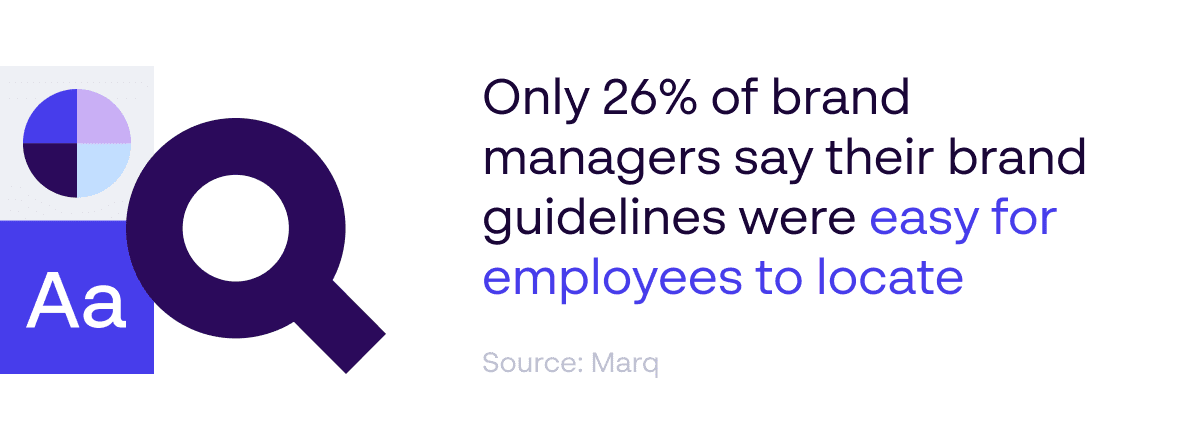
You may have created the best brand guidelines in the world – but if your teams can’t find them or don’t understand them, they won’t have slightest impact. This is why accessibility and usability are just as important as the content itself.
Here’s how to achieve them:
Design your guidelines for clarity
Your brand guidelines should be as intuitive as they are informative. A document that feels dense, text-heavy, or difficult to navigate will quickly be ignored – especially by new designers, marketers, or agency partners who rely on it to produce on-brand work from day one.
To make your guidelines genuinely accessible, focus on usability as much as content. Be concise but comprehensive, sharing the right level of detail without overwhelming readers. Use imagery, diagrams, and interactive elements to bring key principles to life. Write in simple, straightforward language and add checklists to offer clear, step-by-step guidance for applying your brand correctly.
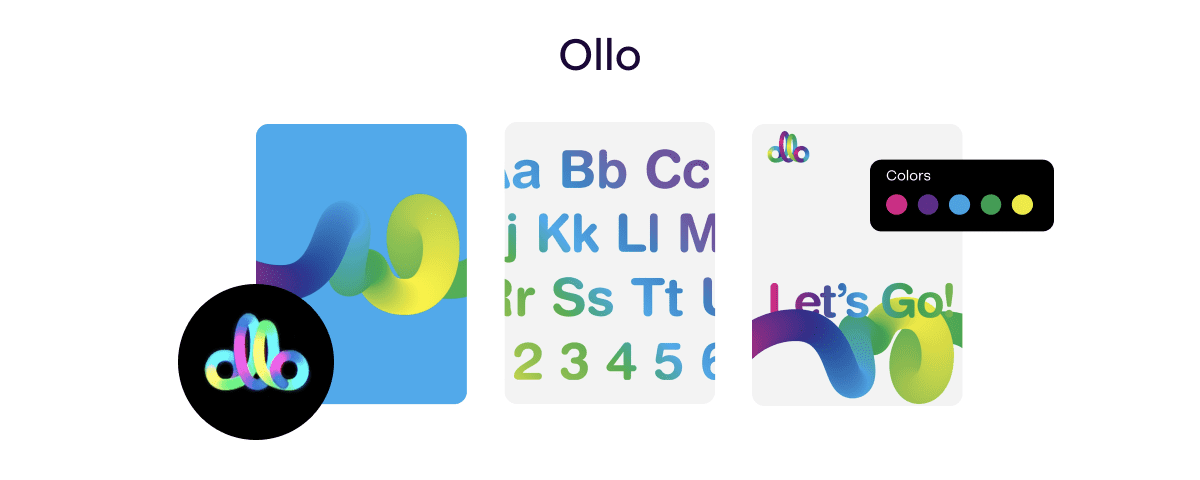
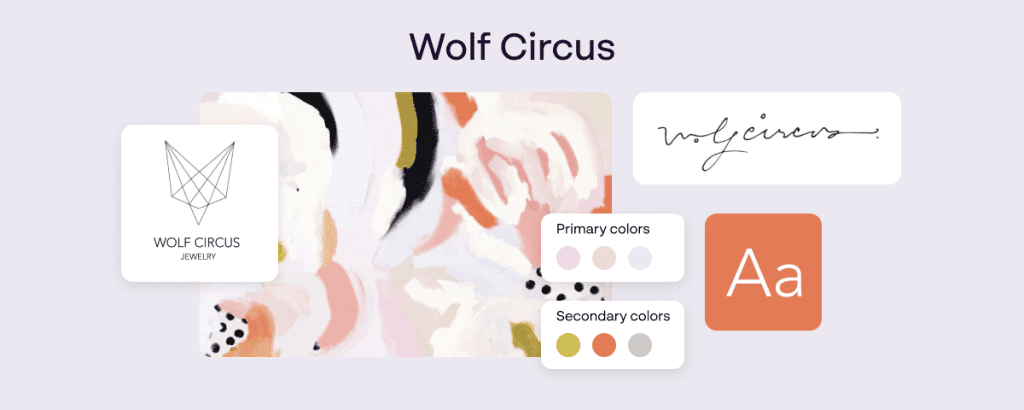
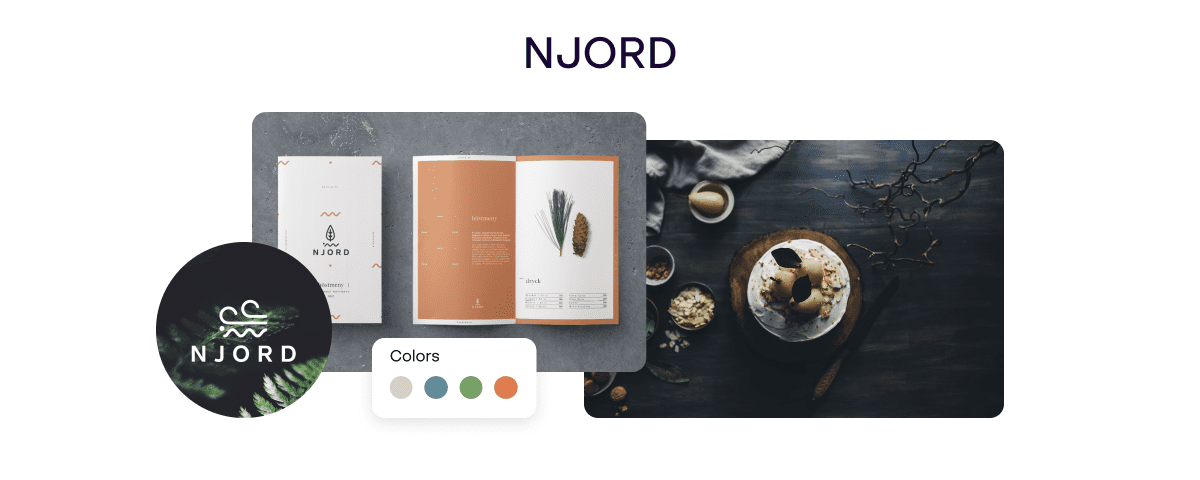
Here are three organizations with engaging, digestible brand guidelines:
- Ollo – creative and colorful with an interactive game to explain correct logo use
- Wolf Circus – covers everything from company mission to specific campaign guidelines within a clear, minimalist structure
- Njord – provides users with all the revenant details in a straightforward, no-nonsense way.
Use video to boost understanding
People retain far more information from what they watch than what they read – which makes video an ideal format for explaining how your brand should look, feel, and behave.
Turning key parts of your brand guidelines into short explainers or tutorials helps teams understand complex rules quickly and reduces the risk of misinterpretation. It’s a simple “show, don’t tell” approach that makes guidance memorable and easy to apply.
Translate your guidelines into relevant languages
If your brand operates globally, your guidelines should too. Translating them into all relevant languages ensures every team receives the same clarity and direction, no matter where they’re based. This removes language barriers, reduces misunderstandings, and ensures your global teams can represent your brand confidently and consistently.
Establish a digital “home” for your brand guidelines
Your brand guidelines need a permanent, accessible home – not a PDF lost in someone’s inbox or a printed booklet gathering dust. A dedicated brand portal provides that home.
By centralizing your guidelines in a digital brand hub, you ensure that:
- Teams worldwide can access, search, and download guidance instantly
- Interactive elements, videos, and examples are all in one place
- Updates can be rolled out globally with zero friction
A brand portal turns your guidelines from a static document into a living, breathing part of your brand ecosystem.
Create a single source of truth for brand assets
Clear rules are essential – but people also need the right assets at their fingertips. Centralizing everything in a Digital Asset Management (DAM) system gives teams one reliable place to find, reuse, and reference brand-compliant content, and helps you deliver brand assets on a silver platter.
With the right Digital Asset Management solution in place, everyone works from the same foundation, reducing duplication, speeding up creation, and protecting your visual identity across every channel.

Turn your brand guidelines into branded design templates
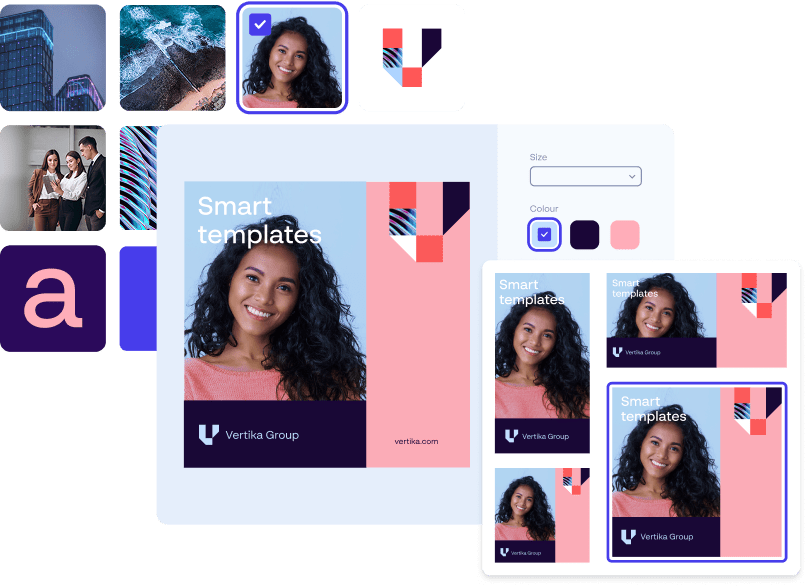
To make your brand guidelines truly unbreakable, transform them from static instructions into ready-to-use design templates. When design templates are built directly on your brand rules, your teams don’t have to guess what “on-brand” looks like. It’s already done for them.
What’s more, when you have templated content creation software in place, you empower even non-designers to create high-quality, brand-perfect content in minutes. This removes the burden from creative teams while speeding up production and ensuring every asset produced reflects your brand exactly as intended.

Control your brand like never before with unbreakable brand guidelines
Your brand guidelines are the backbone of your identity. When they are clear, accessible, and woven into your daily operations, they empower every employee to protect and elevate your brand.
By applying the techniques and tips above, you set your teams up for a future of consistent, content marketing campaigns, and build a strong brand that is understood, trusted and beloved by customers, employees, and others across every market.
Keep teams on-brand
Lock guidelines and compliance into every asset.
Keep teams on-brand
Lock guidelines and compliance into every asset.
Lock guidelines and compliance into every asset.
FAQs
What are brand guidelines and why do they matter?
Brand guidelines are the blueprint of your brand identity. They define your vision, tone, style, and visual identity, helping every team apply your brand consistently, from marketers to designers to agency partners. When guidelines are clear and accessible, they protect brand integrity and ensure every touchpoint feels unmistakably “you.”
Why is brand consistency so important for global organizations?
Brand consistency builds trust. When your visuals, tone, and story remain steady across every region and channel, customers recognize you instantly — and that recognition fuels loyalty, credibility, and revenue. Inconsistent brands, however, confuse audiences and dilute their impact.
What should be included in strong brand guidelines?
Robust brand guidelines cover both content creation strategy and execution. This includes your vision and mission, logo rules, color palette, typography, tone of voice, iconography, imagery, signage, and channel-specific guidance. Together, these elements create a cohesive, future-proof identity.
How can we make our brand guidelines easier for teams to use?
Accessibility is everything. Guidelines should be well-designed, clear, and easy to navigate. Using diagrams, imagery, examples, checklists, videos, and translations makes it much easier for global teams to understand and follow the rules. Housing everything in a digital brand portal ensures instant access across the business.
How do brand design templates strengthen brand consistency?
By building design templates directly on your brand rules, you remove ambiguity and make it effortless for anyone to create brand-compliant assets, even if they have no design skills. This speeds up production, reduces creative bottlenecks, and ensures flawless brand consistency worldwide.
Table of contents:
- What are brand guidelines?
- Why brand consistency matters
- 4 steps to fix your identity before creating your brand guidelines
- 9 vital components to include in your brand guidelines
- Making your brand guidelines accessible and actionable
- Control your brand like never before with unbreakable brand guidelines
- FAQs