

This content has been automatically translated and may include minor variations.
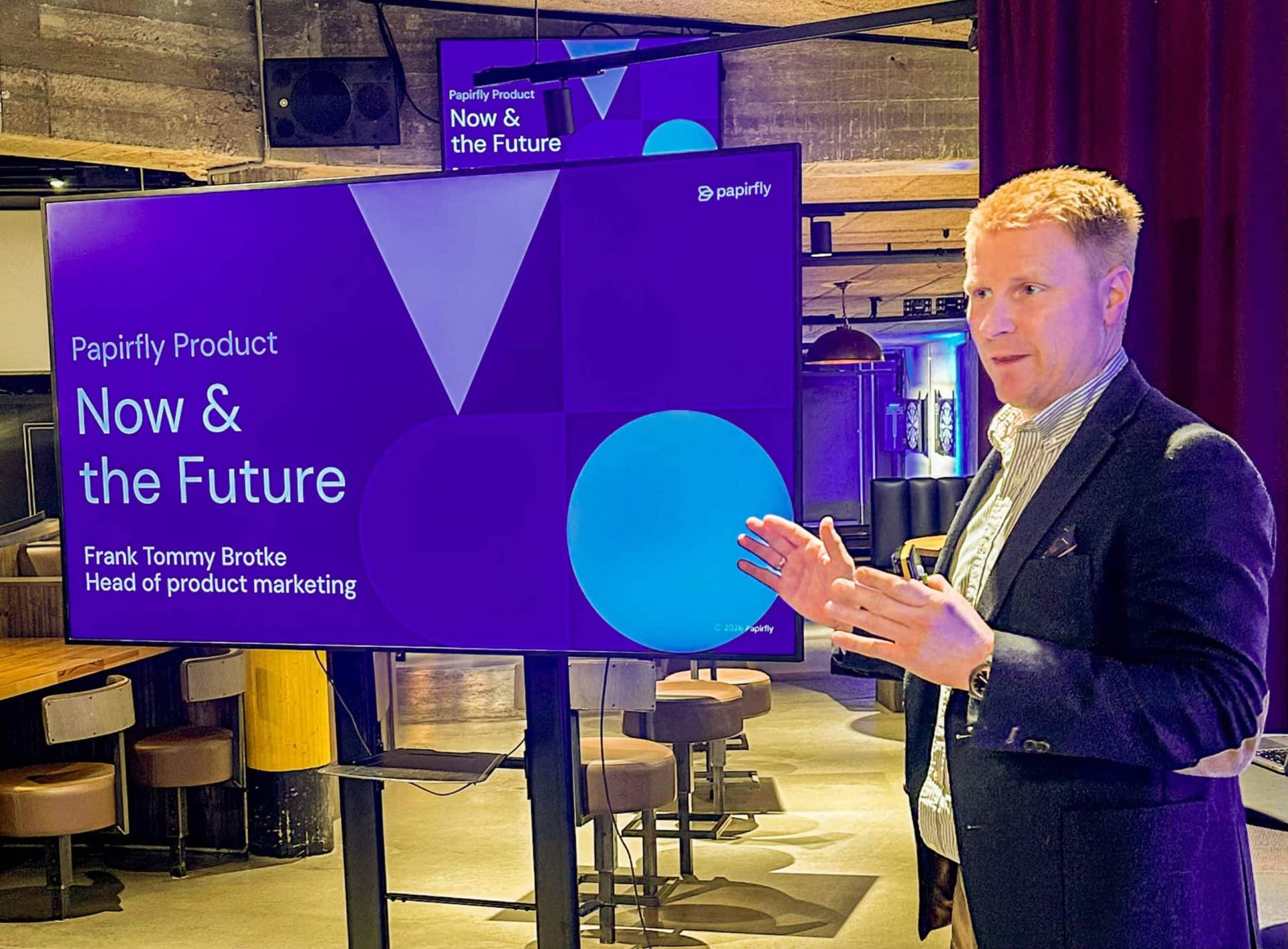
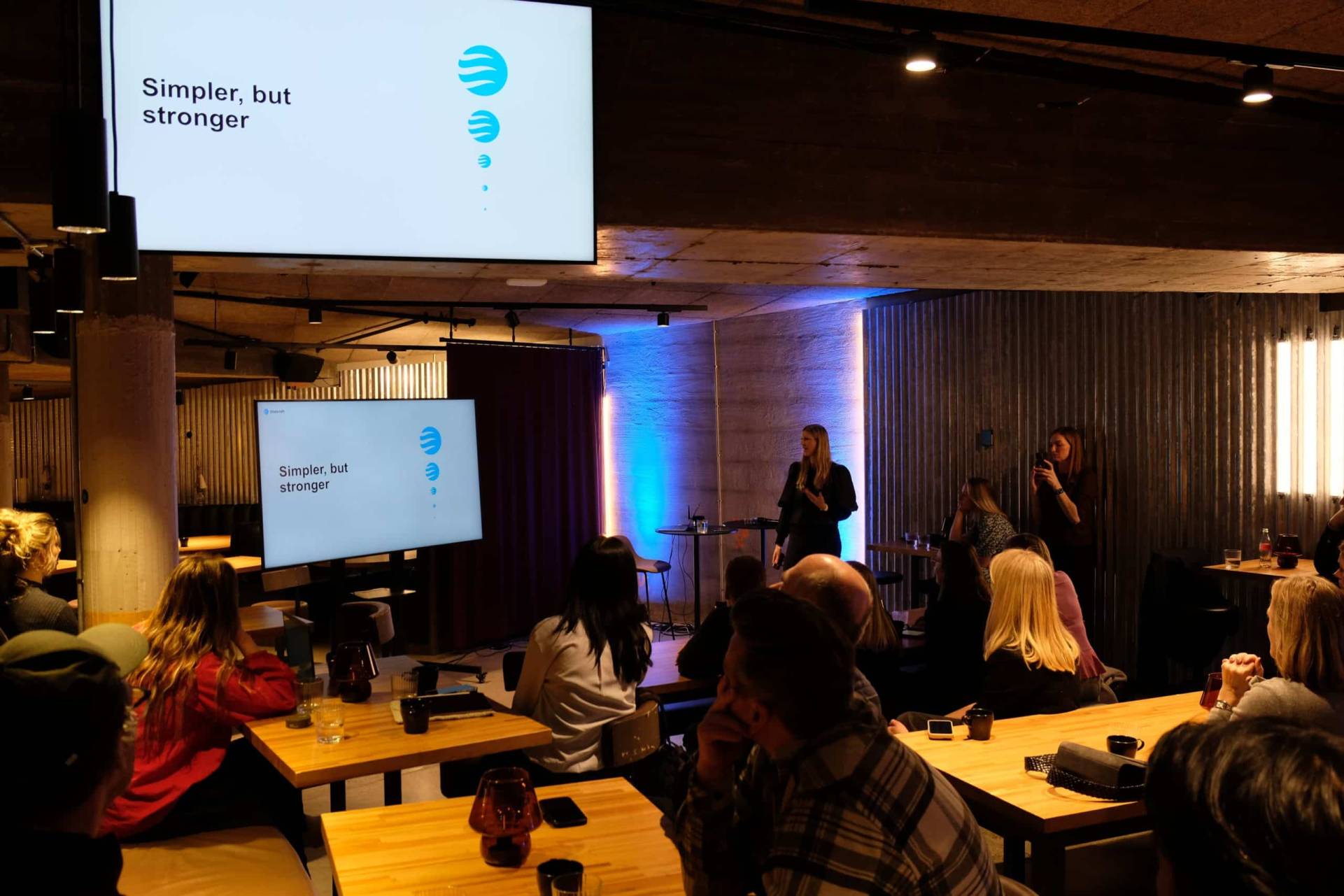
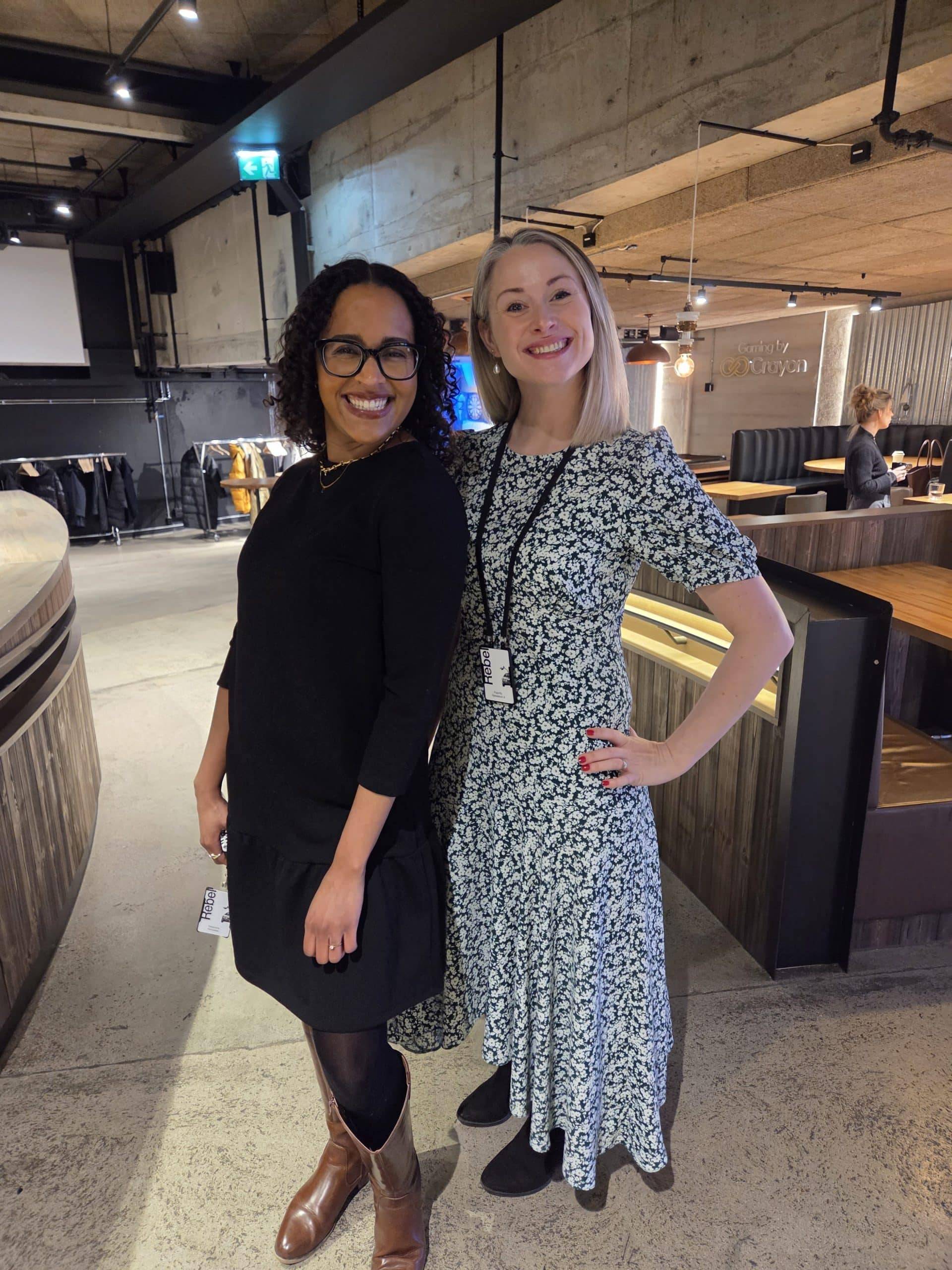
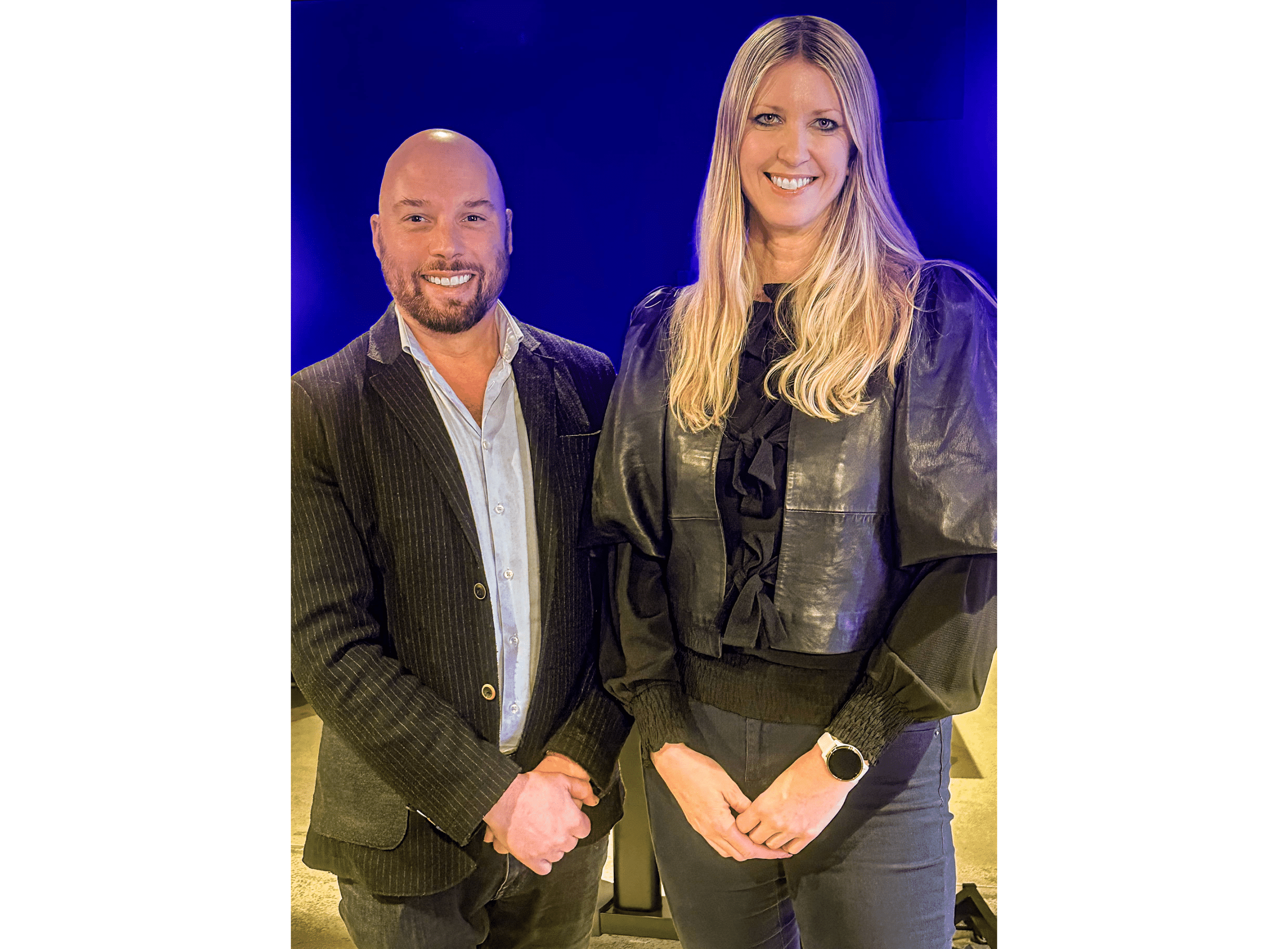
The Nordic Papirfly team kicked off the year by bringing customers and partners together in Oslo for Get your brand on the right track — a focused conversation on one of the most persistent challenges in modern marketing:
How do you build strong, consistent brands in a world defined by short-term pressure, channel explosion, and constant change?
With perspectives from Statkraft, Kantar, and Papirfly, the event combined strategic insight with practical experience. One theme came through clearly: brand consistency is no longer just a governance concern. It is a critical driver of trust, efficiency, and long-term growth.
As we look ahead to 2026, the conversations highlighted what it truly takes to embed consistency — not just in brand strategy, but in everyday execution across teams, markets, and channels.



1. Long-term growth is built on brand value — not short-term tactics
The why
Kantar opened the discussion by anchoring brand consistency in long-term value creation. While performance marketing and short-term activation play an important role, they are not sufficient on their own. Brands that invest in consistent, distinctive identities outperform over time because they build mental availability, trust, and emotional connection — the foundations of sustainable growth.
In an increasingly fragmented media landscape, consistency is what allows brands to compound value rather than reset it with every new campaign.
What this means for 2026
Brand leaders must resist the temptation to over-optimize for immediacy. A future-ready brand strategy balances activation with long-term brand building — and measures success through trust, preference, and loyalty, not visibility alone.
Continue the conversation
To go deeper on how audience receptivity, channel integration, and emerging formats will shape media decisions in 2026, we recommend Kantar’s Media Reactions 2025.
The report brings together insights from 21,000 consumers and 1,000 senior marketers globally, offering clear guidance on where brands should invest — and how to align media choices with trust, relevance, and impact.
Download the Kantar whitepaper to support your 2026 media planning.
2. Consistency is what makes brands adaptable in times of change
The why
A recurring theme throughout the afternoon was that consistency does not equal rigidity. In fact, the opposite is true. Brands with a clearly defined core are better equipped to adapt to new markets, platforms, and customer expectations without losing coherence.
In periods of uncertainty — whether driven by market volatility, technological shifts, or organizational change — consistency becomes a source of confidence. It gives teams a shared point of reference, enabling faster and more decisive action.
What this means for 2026
As change accelerates, consistency should be treated as an enabler of agility. A strong brand platform allows teams to move quickly without fragmenting the brand experience across channels and regions.
3. Brand consistency is designed — not delivered at the end
The how
Drawing on Statkraft’s experience, the conversation moved from theory to practice. One message was clear: brand consistency is not an output. It is the result of deliberate structure.
In complex organizations, inconsistency rarely comes from lack of intent. It comes from unclear ownership, fragmented processes, and tools that are not designed to support brand standards at scale.
What this means for 2026
To strengthen consistency, organizations must design for it. That means clear brand ownership, simplified approval flows, and cross-functional alignment that ensures the brand is understood and respected beyond the marketing team.
4. Clear brand rules enable local flexibility and creativity
The how
Another key insight from Statkraft was that consistency and creativity are not opposing forces. When brand principles are clearly defined, teams gain greater freedom to adapt content to local contexts, audiences, and formats — without undermining the brand’s core identity.
Rather than policing execution, effective brand governance provides guardrails that empower teams to create confidently and independently.
What this means for 2026
Brands should invest in guidance that clarifies what must remain consistent — and where flexibility is encouraged. Playbooks, templates, and principles should support creativity, not constrain it.
5. Technology is the operational backbone of consistency at scale
The what
Papirfly’s contribution addressed the final piece of the puzzle: how to operationalize brand consistency across teams and channels.
As organizations grow, manual processes and static guidelines are no longer sufficient. When brand rules are embedded directly into technology — through Digital Asset Management, Templated Content Creation, and connected workflows — consistency becomes the default rather than the exception.
Teams move faster. Compliance increases. Rework decreases.
What this means for 2026
Brand technology should be viewed as strategic infrastructure. The right platforms turn brand strategy into everyday execution — enabling teams to deliver on brand, every time, everywhere.
The brand consistency imperative for 2026
As we move toward 2026, brands will continue to face increasing pressure — from market volatility and rising customer expectations to growing demands for efficiency and clarity.
In this environment, consistency will be a defining factor of brand resilience.
Not just consistency in visual identity, but in narrative, experience, and value delivery.
The takeaway is clear:
Brands that embed consistency into their strategy, structure, and systems will be better positioned to grow with confidence. Those that treat it as a surface-level exercise risk falling behind.
How Statkraft operationalized global brand consistency
A real example of embedding consistency into everyday execution
How Statkraft operationalized global brand consistency
A real example of embedding consistency into everyday execution
A real example of embedding consistency into everyday execution

Table of contents:
- 1. Long-term growth is built on brand value — not short-term tactics
- 2. Consistency is what makes brands adaptable in times of change
- 3. Brand consistency is designed — not delivered at the end
- 4. Clear brand rules enable local flexibility and creativity
- 5. Technology is the operational backbone of consistency at scale
- The brand consistency imperative for 2026